In 2022-2024, no fewer than 3,000 women were killed as a result of domestic violence in Russia, according to calculations by human rights advocates and data that Russia reports to the UN. These figures are likely far from complete. The war in Ukraine will lead to an even greater rise in violence: men returning from the front are increasingly becoming a threat to their wives and partners. The Russian state has partially decriminalized domestic violence, while law enforcement agencies are reluctant to open cases based on such complaints. At the same time, human rights and feminist organizations fighting the problem are facing repression. Yet even under these difficult conditions, they continue to shelter women in crisis centers and to seek justice against their abusers.
He will return “to beat and kill”
On Jan. 27, 2026, in Irkutsk, 32-year-old Roman Michurin, a participant in the war against Ukraine, decided to ambush his wife. Because of constant beatings and abuse, she had sought refuge at the crisis center of the Obereg charitable foundation. The center helps women with children facing hardship. Roman did not find his wife that day. Instead, he came across 42-year-old Elena, his wife’s roommate at the crisis center.
Threatening her with a knife, Roman took Elena hostage and forcibly led her to his apartment. Law enforcement officers who responded to the call kept Michurin’s apartment under siege for five hours, negotiating with him, urging him to surrender and return to the front. In response, he demanded that they shoot his wife and send him a video of her dying. In the end, Roman strangled Elena and then surrendered to police. Elena’s two daughters, aged six and twelve, were left orphaned.
Roman Michurin committed his first murder at age 15, stabbing his neighbor to death in a communal apartment. Michurin was later tried three more times for violence, drug possession, and property damage. Each time, he received a suspended sentence. Women who knew Michurin describe his extraordinary jealousy and brutality.
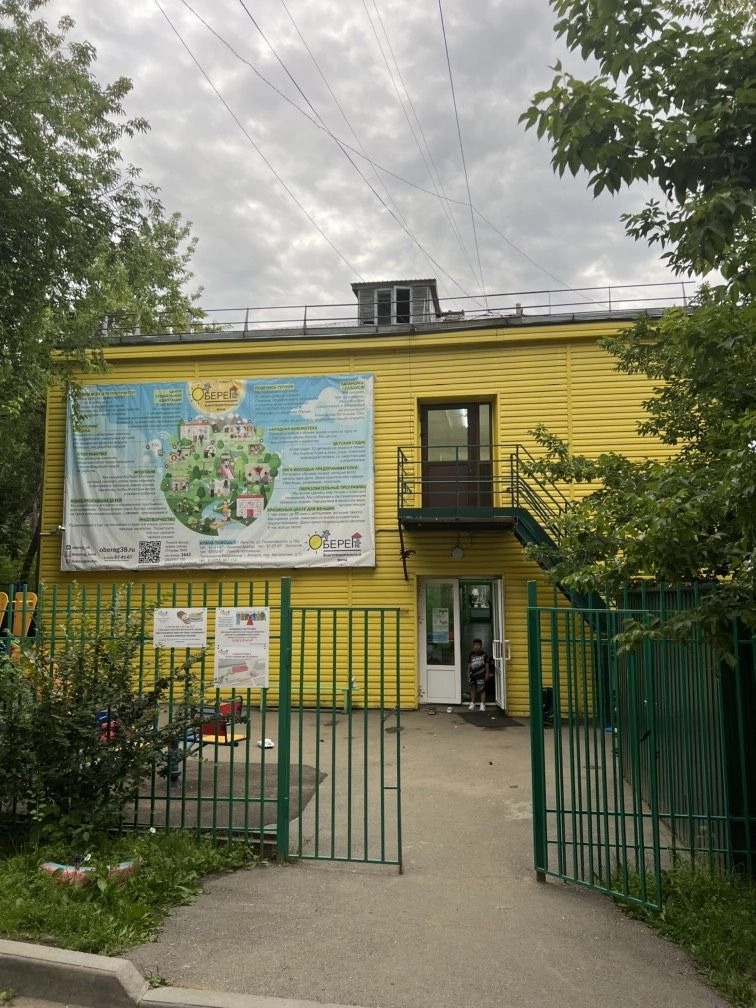
When yet another criminal case was opened against Roman Michurin for attempting to strangle a girlfriend who had decided to leave him, he feared receiving a real prison sentence and chose instead to volunteer for the war against Ukraine. Several months later, he was wounded by shrapnel. After recovering in a military hospital, he was supposed to undergo a medical review and return to the front. But Michurin deserted and went back to Irkutsk, where he worked as a driver and married again.
Driven by jealousy, Michurin beat his new wife until her entire back was covered in bruises. He also strangled her with a cord. On one occasion, he plunged a knife into her leg. The woman repeatedly tried to escape her abusive husband, leaving him for the Obereg crisis center together with her child from a previous marriage, but each time she returned to Michurin.
Driven by jealousy, Michurin beat his new wife until her entire back was covered in bruises, strangled her with a cord, and stabbed her with a knife
Staff at the center reported the unstable man to police at least ten times, but officers limited their actions to preventive talks. The woman herself did not file complaints against Michurin out of both fear and a desire to keep the family together, according to Obereg director Alexander Sobolev. Remarkably, Michurin’s case failed to interest even the military prosecutor’s office, which confirmed to Obereg staff that Roman was wanted but communicated that the authorities had no desire to search for him independently.
Then came the tragedy involving Elena, after which people began talking about Obereg far beyond Irkutsk Oblast. Still, those who personally knew Roman Michurin doubt that he will be punished for the killing. They are convinced that he will once again sign up for service on the front, then return to Irkutsk Oblast and continue “to beat and kill.”
What happened in Irkutsk is illustrative of a larger fact: the Russian state is not taking effective measures to combat domestic violence. As a result, thousands of women lose their lives and health every year. The country lacks shelters where a woman in difficult circumstances can seek refuge, and police do not provide adequate security even for the few facilities that do exist.
Human rights advocates expect that in the coming years, hundreds of thousands of people with severe psychological trauma will return from the war, leading to a colossal surge in domestic violence.
The state is on the side of abusers
Experts interviewed by The Insider agree that official data on domestic violence do not reflect the true scale of the problem in Russia. The country has no law on the prevention of domestic violence and, accordingly, no official definition of what should be considered domestic violence.
Crimes against women only appear in the Interior Ministry’s official reports on “family and domestic violence” in the event that the perpetrator and victim are legally married. Cases that do not end in a court conviction are also excluded from the statistics. Back in 2017, Vladimir Putin partially decriminalized domestic battery, reclassifying it as an administrative offense provided that the violence caused no consequences and was committed for the first time.
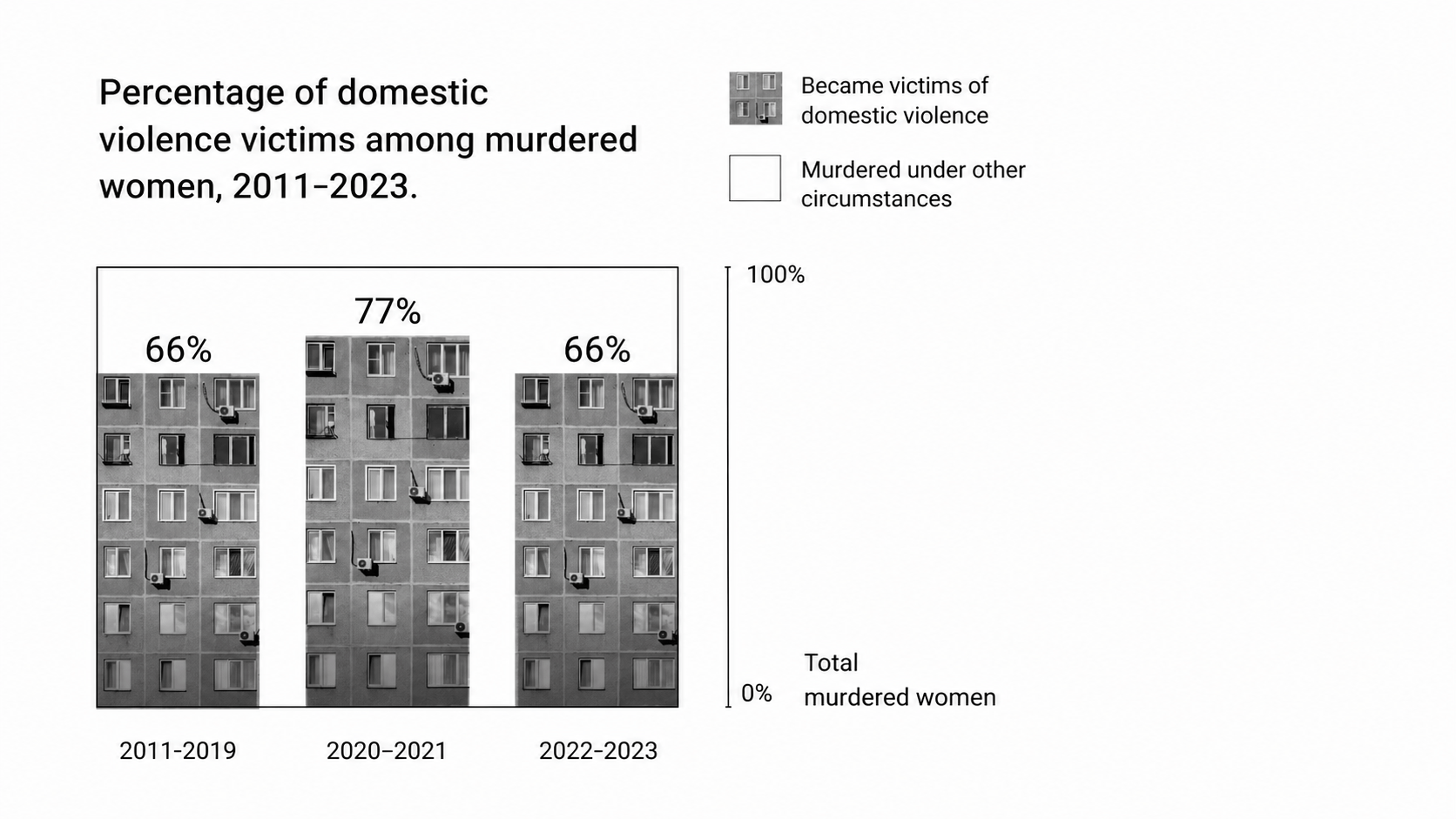
In the absence of reliable official statistics, experts must gather the data themselves. As part of the Algorithm of Light project, specialists from the Consortium of Women’s Non-Governmental Organizations analyzed court practice in cases involving murder and the infliction of grievous bodily harm.
According to their data, in 2022–2023 at least 2,284 women — 66% of all female murder victims in the country — died as a result of domestic violence. In the overwhelming majority of cases (2,123 verdicts), the woman was killed by her partner.
These figures, as analyzed by Algorithm of Light, have remained more or less stable since 2011 — with the exception of a short-term spike in 2020–2021, when COVID lockdowns saw the share of women killed as a result of domestic violence rise to 70.9–71.7% of female murder victims. It follows that the most dangerous place for a woman in Russia is her own home.
The most dangerous place for a woman in Russia is her own home
At the same time, domestic violence results in murder only in extreme cases. Stalking, threats to life and health, beatings, and sexualized violence are situations activists defending women’s rights encounter far more often.
“The number of people turning to us has grown,” says Russian human rights advocate Sofya (surname withheld for safety reasons). “And requests related to violence in partner and family relationships still predominate. On the other hand, judging by my practice, women more often refuse to see the process through and file complaints less frequently. They no longer trust the system. They fear publicity will lead to bullying.”
Law enforcement agencies are indeed reluctant to open such cases and sometimes even side with offenders, Sofya says:
“Many times we have encountered situations where police refused to accept complaints about beatings. In the end, through appeals to the prosecutor’s office and to the police chief, it is still possible to challenge those refusals. Then a criminal case is opened. But how many such cases would ever be opened without the help of human rights advocates?
“The Interior Ministry may deliberately fill out statistical reporting forms improperly, and some things disappear altogether. Yet all of that is what forms the overall picture of domestic violence. So the real situation is far worse than we imagine.”
The North Caucasus as the center of domestic violence
At the beginning of 2025, the Ad Rem project, which helps women and children in situations involving violence and discrimination, presented a report based on an analysis of 75 specific cases from human rights advocates, as well as a series of interviews with lawyers, attorneys, and crisis center staff. The overwhelming majority of cases handled by the Ad Rem team — 72 out of 75 — concerned the North Caucasus regions of Chechnya, Dagestan, and Ingushetia.
Human rights advocates concluded that state bodies, instead of protecting women from violence, systematically side with their abusers. In the North Caucasus, women are beaten and tortured, forced into marriage, and blackmailed with the threat of losing their children.
Because of regional specifics, courts almost always side with the father in divorce proceedings. In effect, a unified mechanism has formed there consisting of courts, guardianship authorities, bailiffs, and the muftiate — all of whom help abusers deprive their victims of freedom.
If a woman turns to the police, law enforcement authorities are far more likely to side not with the victim but with her parents and husband. If she tries to flee, she will be declared wanted as a missing person. As a lawyer from Ad Rem who specializes in women’s cases explained to The Insider, in such situations neither “a video statement by the woman herself saying she left voluntarily, nor the fact that she is an adult, nor her complaint, nor her personal visit to the police matters – all of it is ignored, and she is baselessly declared missing.”
If a woman turns to police, they are far more likely to side not with the victim, but with her parents and husband
Often, criminal cases are opened against women who flee based on false accusations that they have absconded with money or jewelry. That is exactly what relatives did to 21-year-old Aina Mankiyeva from Ingushetia, who is visually impaired. In April 2025, she fled her home after enduring constant beatings. Her mother responded by filing a complaint accusing her of stealing 20,000 rubles ($266). Aina was detained in Moscow and could have been sent back home had human rights advocates and the press not succeeded in generating a major public campaign in her support.
Of course, not all stories have such a positive ending. In the summer of 2023, police detained 26-year-old Seda Suleimanova on the suspicion she had stolen her mother’s jewelry when fleeing Grozny, where she was about to be forced into marriage. In the end, police returned her to Chechnya, where she appears to have ended up becoming the victim of an “honor killing.”

In October 2025, a 23-year-old Chechen woman named Aishat Baimuradova was killed in Yerevan after fleeing violence — including sexualized abuse — that she had endured since childhood. As human rights advocates found, Aishat was a distant relative of Ramzan Kadyrov, and her husband trained Chechen military personnel in shooting.
Systematic pressure in the North Caucasus is directed not only against women themselves, but also at human rights advocates and activists who dare to help victims. For example, one rights advocate told Ad Rem that the husband of a woman she helped several years ago has continued to harass her with denunciations and threats.
The advocate has also been threatened with having her son’s head cut off, and reminded that those issuing the warnings know which school her granddaughter attends. The source does not believe anyone will actually follow through, but receiving such threats is disturbing in itself.
The rights advocate has been threatened that her son’s head will be cut off, and is reminded that those issuing the warning know which school her granddaughter attends
Specialists at Ad Rem also warn of a looming rise in domestic violence tied to the return of participants in the war against Ukraine. Monitoring organizations have not yet recorded a surge in related appeals — as Ad Rem explains, this trend will become fully visible only after a full demobilization. However, women abused by veterans already fear criminal punishment for “discrediting” the army and do not believe the state will protect them after more men return from the front.
Experts are particularly concerned by legal mechanisms created in 2023 that allow defendants and convicted offenders in criminal cases to completely avoid punishment by signing up for the war. As Sofya explains:
“In our practice, there have been more requests connected with the inability to hold participants in the so-called ‘special military operation’ accountable. Such people return home after being wounded, then begin stalking, beating people, and smashing windows. Police do nothing in these situations, and investigators say they can do nothing because these people go back to the front after preemptively renewing their contracts. There are cases when a person sends threats from the front itself. One young woman, for example, received various disturbing WhatsApp messages from her former husband while he was in the combat zone.”
How a shelter works and whom it protects
An important factor in combating domestic violence is the availability of shelters. According to various estimates, the number of crisis centers currently operating in Russia does not exceed 150. That is an order of magnitude less than what is needed for a country of 140 million people.
The shortage is exacerbated by the fact that shelters are unevenly distributed across the country. For example, across all of Yakutia, only the women-and-children shelter run by the Children of Sakha-Asia foundation is operating. Previously, victims of domestic violence were also assisted by the “You Are Not Alone, Yakutia Is With You” community. But on April 1, 2026, that center announced its closure due to a lack of resources. According to the interactive map of the Aistenok project, only one crisis center for women — with only 15 beds — exists in the entire Komi Republic, and only two operate across the Khanty-Mansi Autonomous Okrug.
State-run and private centers have their own particular features. Private ones suffer more from a critical lack of funding, while in state-run centers, highly conservative psychologists may try to persuade a woman to reconcile with her husband and preserve the family even in cases of extremely abusive relationships. In shelters affiliated with the Russian Orthodox Church, a priest may even replace a psychologist. State centers often also refuse HIV positive victims, and in Moscow only those with permanent registration and residency permits are accepted.
The director of one Russian shelter, Inga (name changes for security reasons), has worked in the field since the early 2010s. She notes that, contrary to stereotypes, women seeking help most often do not come from marginalized social groups. Among them are doctors, nurses, lawyers, designers, as well as refugees or migrants who cannot be admitted to a state crisis center because they lack registration. Women from poorer social strata, by contrast, more often endure violence for as long as possible in an effort to preserve the family.
“We work with a fairly broad range of survivors: these may be women subjected to violence in marriage, victims of trafficking, and people who have found themselves in situations where there is a threat to life,” she says. “After 2022, funding declined sharply because international organizations left our market, and in general it became dangerous to work with them. Competition for Russian grants, meanwhile, has increased enormously. People work – and often overwork – for very small salaries or purely out of personal commitment. We are trying to survive. What else are we supposed to do?”
At present, Inga’s organization handles between 45 and 60 relevant requests each month. Since 2022, the number of monthly requests has increased by roughly 30–40%, while the number of places in the shelter has remained unchanged. Those who cannot be accommodated are referred to state-run facilities. Over the past eight months, however, those centers have begun responding that they have no vacancies left.
Since 2022, the number of monthly requests for placement in a shelter has increased by roughly 30-40%
Another trend Inga says she cannot ignore is the growing number of women seeking help who are dealing with psychiatric problems. She is inclined to link this directly to the fact that COVID lockdowns, followed by the start of the full-scale war, seriously undermined Russians’ mental health. The stress associated with domestic abuse, along with the financial insecurity women often face when leaving an abuser, clearly does not contribute to emotional stability.
Inga says with regret that the shelter simply lacks the resources to help such women:
“It is difficult for such a resident to live in a shelter because everyone around her seems like an enemy or a traitor who has gone over to the side of her abuser. They fall into paranoid states and feel they are constantly being watched. We do not know what to do about this, and unfortunately the trend is only increasing.
“People do not want to deal with the state psychiatric system or enter inpatient care because they fear losing their driver’s licenses and being deprived of employment opportunities. It is a sad story. And besides: if the husband turned out to be an abuser, and the woman breaks down and needs hospitalization, where will the children go during that time? Children cannot stay here without their mother.”
According to Inga, this shelter has also had to hide the wives of soldiers during their husbands’ leave, as well as women whose spouses were discharged from the military for health reasons: “Such a person can create living conditions that are impossible to endure. Returning from the war, he may bring weapons with him. There have already been threats to throw a grenade.”
The center also warns women that they have no right to disclose the shelter’s address to the husbands they fled. But there have been cases when residents violated this rule: “Then we ask the woman either to follow the protocols or to leave the shelter, because otherwise she is putting not only herself, but all of us in danger.”
After the tragedy in Irkutsk, administrators of many shelters across Russia are experiencing similar fears. The centers do not have the money to fully ensure the safety of their residents. In most cases, all they can do is install an emergency panic button.
Repression against activists
Domestic violence is not only a Russian problem. In 2011, 46 European countries signed the Istanbul Convention on combating domestic violence (though Turkey and Latvia later withdrew). One of the key recommendations of this document is to provide 24-hour support hotlines. Russia refused to become a signatory because, in the view of authorities in the country, the convention’s provisions do not correspond to “traditional moral and family values.”
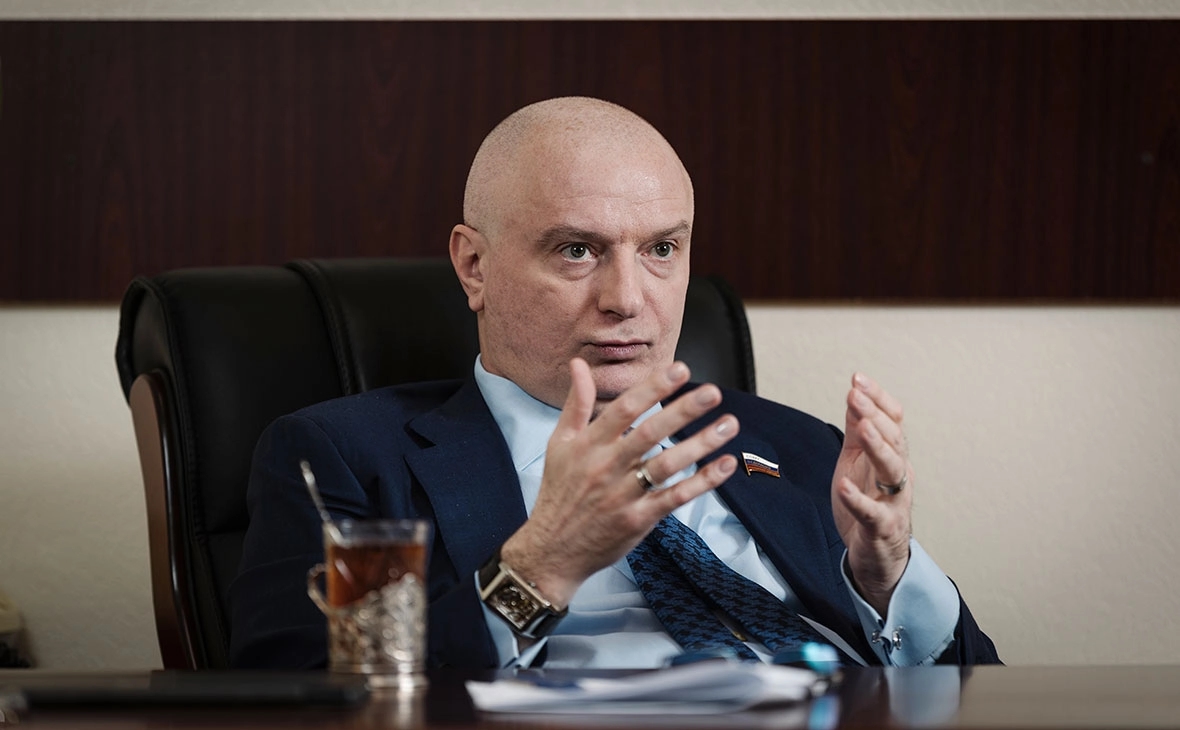
Andrey Klishas, head of the Russian Federation Council’s committee on constitutional legislation and state building, said that the country has not found a way to combat domestic violence that satisfies all segments of society. The adoption of stronger legislation, according to the senator, is viewed by many as state interference in family affairs and could even harm victims more than help them:
“When a man beat a woman and received a huge fine, and then the fine was taken from the family budget and handed to the state, how did that help the woman? Or let us imagine he was sent to a penal colony. And then what does she do with his children? How much will he earn in the colony? How will he support the family?”
Shelter director Inga notes that the arguments closely resemble the fears of juvenile justice that unite many Russian conservatives:
“People are very afraid of state interference in the family, that it will come and take someone away — that children will go complain to juvenile authorities that their parents did not buy them a smartphone, and then officials will come and remove the children. All of that is, of course, complete nonsense. Domestic violence is not about some fight simply happening. There are families in which a husband and wife fight, but such a man would not be called an abuser, because the spouses are on equal footing and neither fears the other. Domestic violence is always about power, psychological coercion, and control, when the abuser begins treating the victim as an object.”
Sometimes abusers spend years creating a situation in which the victim becomes completely financially and emotionally dependent on them. At first, the abuser courts a woman very affectionately, but then gradually isolates her from family and friends, and finally begins beating her. This process is usually drawn out over a long period, and helping someone caught in such a situation is hardly possible without a system of accessible shelters.
Russian authorities are not only decriminalizing domestic violence and blocking bills aimed at combating it, but also persecuting activists who work with its victims. In December 2020, Nasiliu.net (lit. “no to violence”), the country’s largest organization defending victims of domestic violence, was designated a “foreign agent.” The organization’s head, Anna Rivina, claimed that the move was motivated largely by Russian authorities’ displeasure at the foundation’s lobbying in support of a domestic violence law.
In February 2023, Rivina herself was also designated as a “foreign agent.” Nasiliu.net did its best to continue operating despite being cut off from every source of funding except donations. Then, in October 2025, the foundation was forced to announce its closure, after which a group of former employees accused Rivina herself of systematic psychological abuse and creating intolerable working conditions.
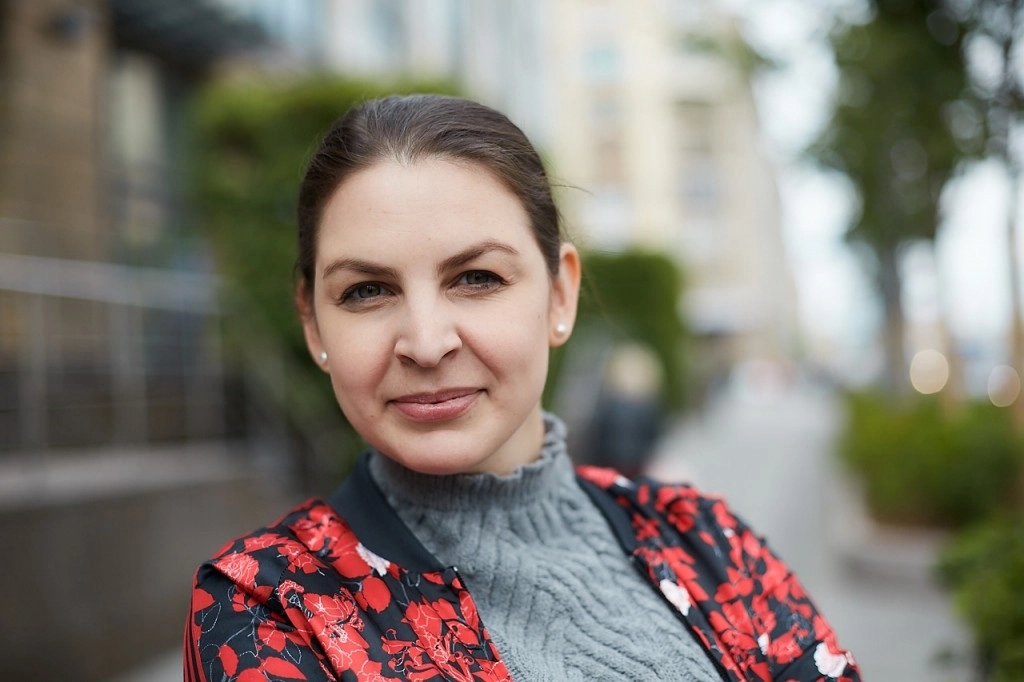
“Initially, things worked like this for us: if you worked for a charitable organization providing assistance, then you could no longer speak publicly on political issues,” says feminist activist Leda Garina, organizer of the Rebra Evy project. “And since 2022, any activity at all has begun to be suppressed.” For example, in February of this year, Otkrytoe Prostranstvo, an important counseling center, was designated a “foreign agent.”
The Rebra Evy project had its own support center. It provided psychological assistance and hosted numerous events in different formats: feminist schools, traveling universities, film festivals, performance training, lectures, and support groups for women who had faced violence.
“All of that is impossible to do online,” says Leda Garina. “And besides, two weeks before the war began, we came under surveillance. People were constantly hanging around nearby, and it was clear that if we did not leave and close the space immediately, we would face serious problems.”
Under the new political reality, the activist says, with feminism effectively criminalized, some organizations have managed to adapt and preserve their work inside Russia. Shelters continue to operate because they make no political statements and in no way interfere with the state.
The situation is more complicated for LGBT shelters. Organizations of that kind have to disguise themselves in a way that makes them appear as harmless as possible – up to and including as knitting clubs. “That does not mean LGBT people will be unable to get support. It means they will have to search very hard for it,” the source explains.
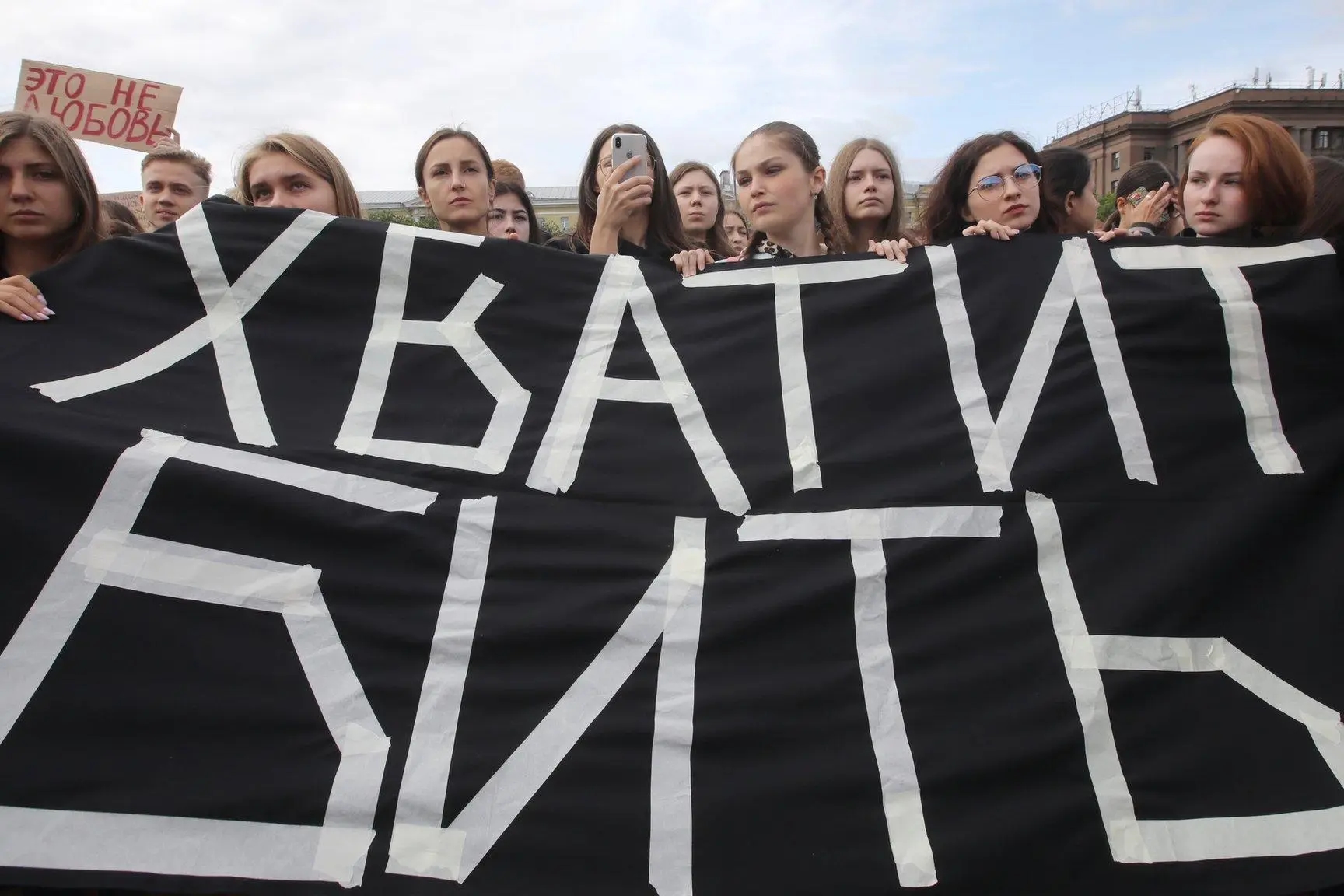
Despite the obstacles imposed by the state, the issue matters to Russians. A petition titled “Adopt a Law on Combating Domestic Violence,” written by lawyer Polina Burlakova, gathered the 100,000 signatures required on the Russian Public Initiative (ROI) platform for federal-level consideration. Feminists from different Russian cities responded to the initiative by posting photographs with signs in support of Burlakova.
The ROI expert council assessed the initiative positively, sending recommendations to the Ministry of Justice of Russia, the Ministry of Internal Affairs of Russia, and other relevant agencies to introduce protective orders for survivors of violence. If the measures are adopted, people convicted of such crimes would be legally prohibited from approaching their victims.