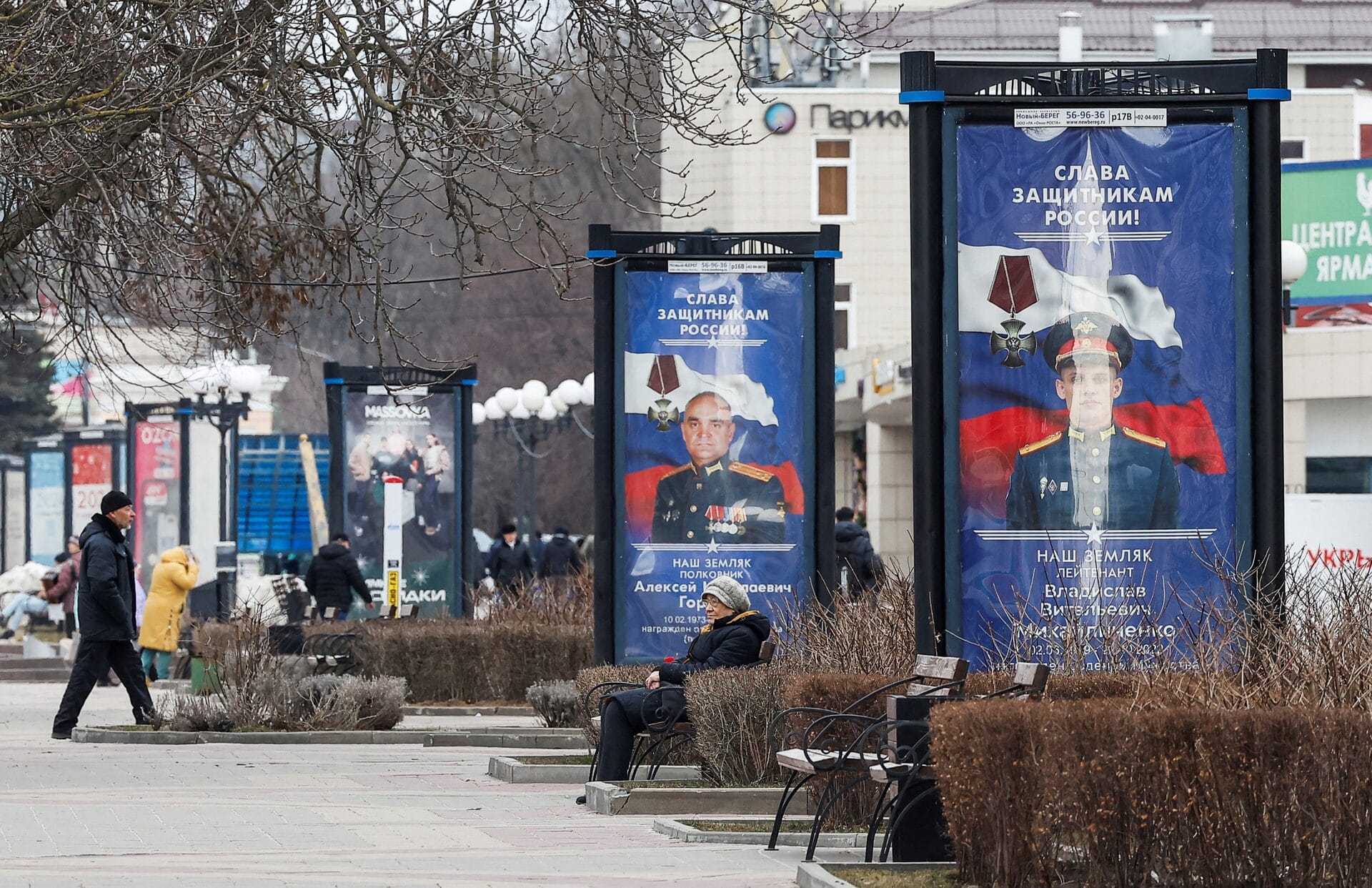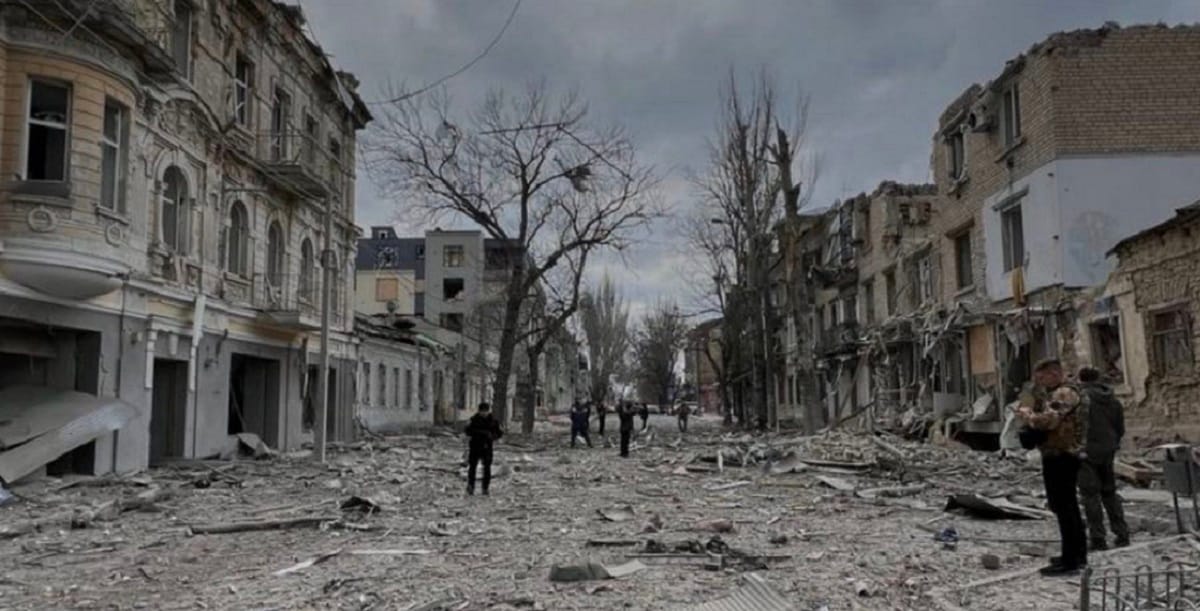
While Kremlin propagandists celebrate the extensive damage Russia’s military has inflicted on the Ukrainian energy grid, Russian border regions hit by retaliatory shelling are experiencing outages of their own. Since late 2025, the Armed Forces of Ukraine have been carrying out missile strikes on energy facilities both in the city of Belgorod and in the surrounding region. In the depths of winter, residents were left without electricity, heating, or water, and on Feb. 8, Governor Vyacheslav Gladkov even announced a “partial” evacuation of residents from the region. To prevent accidents caused by the frost, utility services began draining water from heating systems. This measure affected 455 apartment buildings, and in dozens of blocks pipes had already been damaged or burst. By mid-February, a significant share of homes had been reconnected to utility networks, but residents understand that this solution is temporary. Many continue to leave the city.
The blackout
“It’s cold at home. They drained the water, people are buying heaters in bulk, and at M.Video all the cheap ones are gone,” Vyacheslav (name changed), a resident of Belgorod’s Kharkivskaya Hill neighborhood, told The Insider about what is happening in the city.
After a series of Ukrainian missile strikes on Feb. 7 and 8 on the Belgorod electrical substation and the Luch thermal power plant, more than 3,000 people were left without gas, about 1,000 without electricity, and upwards of 80,000 without heat. Heating was also out in 25 kindergartens, 17 schools, nine outpatient clinics, four universities, and multiple other social and commercial facilities.
Water is being drained from heating systems to prevent accidents and ruptured pipes amid severe frosts. According to regional governor Vyacheslav Gladkov, this measure affected 455 apartment buildings connected to the Belgorod thermal power plant. “If this is not done, the damage could be practically catastrophic for every resident who lives in this part of the city,” he said. By that point, pipes in a number of buildings had already frozen and burst.
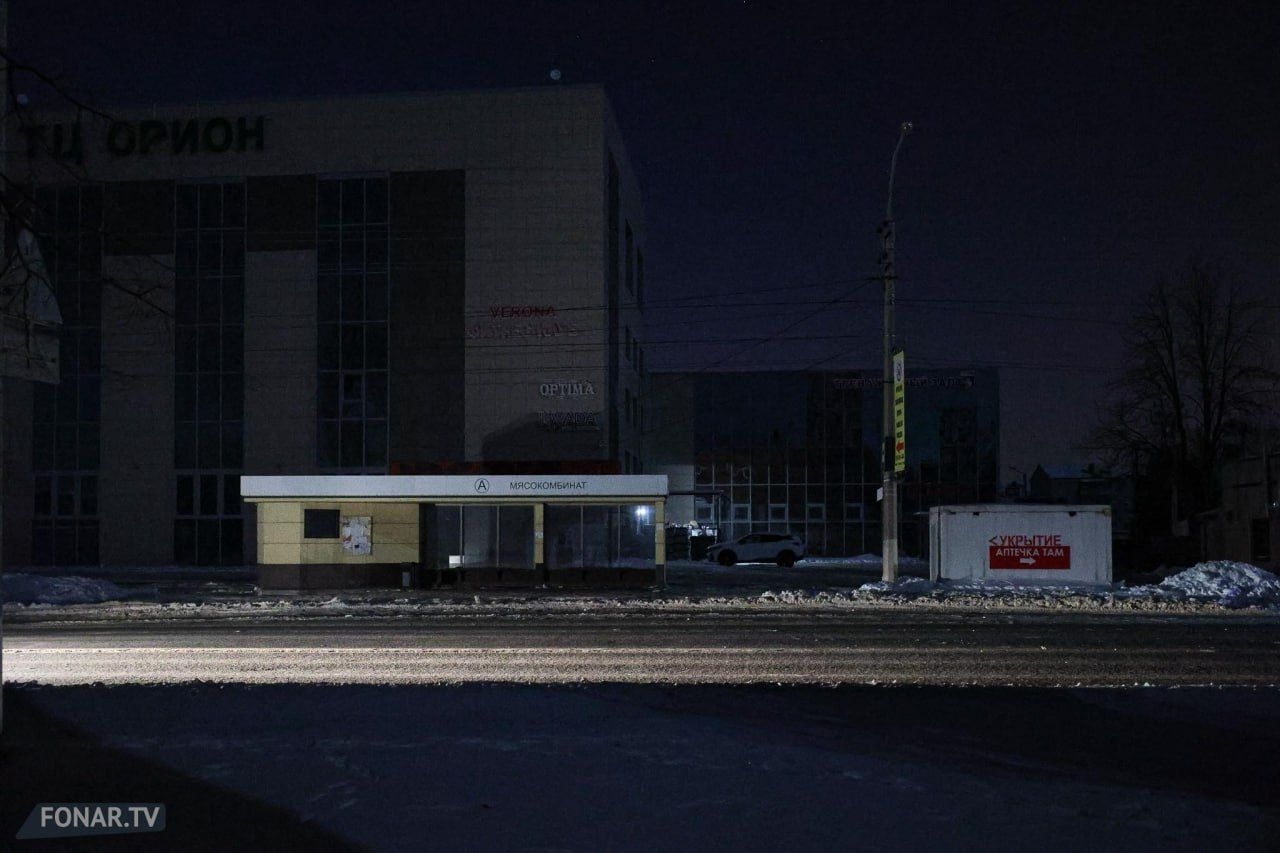
City residents are trying to adapt — buying heaters, stocking up on water, and preparing for the outages to drag on. Many realize that any restoration work is temporary, and that renewed strikes on energy facilities could resume at any moment.
“People here are waiting for the thermal power plant to start working again as if the Ukrainians wouldn’t strike it again immediately. As if we ourselves don’t do the same. As if the war has ended,” Vladimir (name changed), a resident of the central part of the city, said bitterly.
Why the utilities crisis emerged
Belgorod’s energy system rests on several key facilities that provide the city with electricity, water and heat. The main ones are the “Belgorod” thermal power plant, the “Luch” thermal power plant, and a series of major distribution electrical substations, including the Belgorod substation on Storozhevaya Street.
The Belgorod thermal power plant is the main source of heating for residents. It supplies heat and hot water to hundreds of apartment buildings, as well as to social and commercial facilities. When the plant stops or operates below the necessary level, temperatures in homes drop quickly. In freezing weather, utility services have to drain water from heating systems so pipes do not rupture. That is what happened during the latest outages.
The Luch thermal power plant, located in the southern part of the city, also plays an important role in the power supply system. It is involved both in generating heat and producing electricity. Damage at this plant leads not only to heating problems but also to failures in electricity supply that then affect the water utility, communications infrastructure, and other city systems.
Electricity is distributed around the city through substations, with the “Belgorod” substation being one of the most important. It produces neither heat nor electricity, but entire districts nonetheless depend on its operation. When such a substation goes out of service, power immediately disappears for tens of thousands of people across the city. Without electricity, pumps stop working, and after that, water stops flowing to residents.
As employees of energy companies told The Insider, “under normal conditions the system is designed for accidents… The load can be redistributed, and the damaged section quickly repaired, but with repeated strikes on the same facilities, the energy sector doesn’t have time to recover.” That is why power outages in Belgorod quickly turn into a citywide utilities crisis.
“Unfavorable weather conditions”
Starting from shortly after Feb. 24, 2022, the Belgorod region regularly came under retaliatory attack, but these mostly involved pinpoint strikes on fuel facilities, oil depots, gas distribution stations, and individual supply lines. The earliest and most telling example was a fire at an oil depot in Belgorod in April 2022. Such strikes created logistical and fuel problems, but they did not lead to large-scale outages of electricity or heat.
In 2023 and 2024, that pattern remained in force — there were new fires at fuel storage sites, drone attacks on supply facilities, and damage to individual nodes, but Belgorod’s energy system continued to function more or less as usual. Unlike Ukrainians living across the border, locals did not have to follow outage schedules, and they did not endure days on end without electricity or water. The situation for Belgorod residents only changed towards the end of 2025.
Until late 2025, locals in Belgorod did not have to follow outage schedules, and they did not endure days on end without electricity or water.
This past fall, the Russian army markedly stepped up its attacks on Ukrainian infrastructure, and Ukraine began retaliating in kind. Due to its location a mere 30 kilometers from the border, Belgorod proved to be Russia’s most vulnerable large city. For the first time, the strikes hit not only distribution networks, but also the nodal elements of the energy system itself.
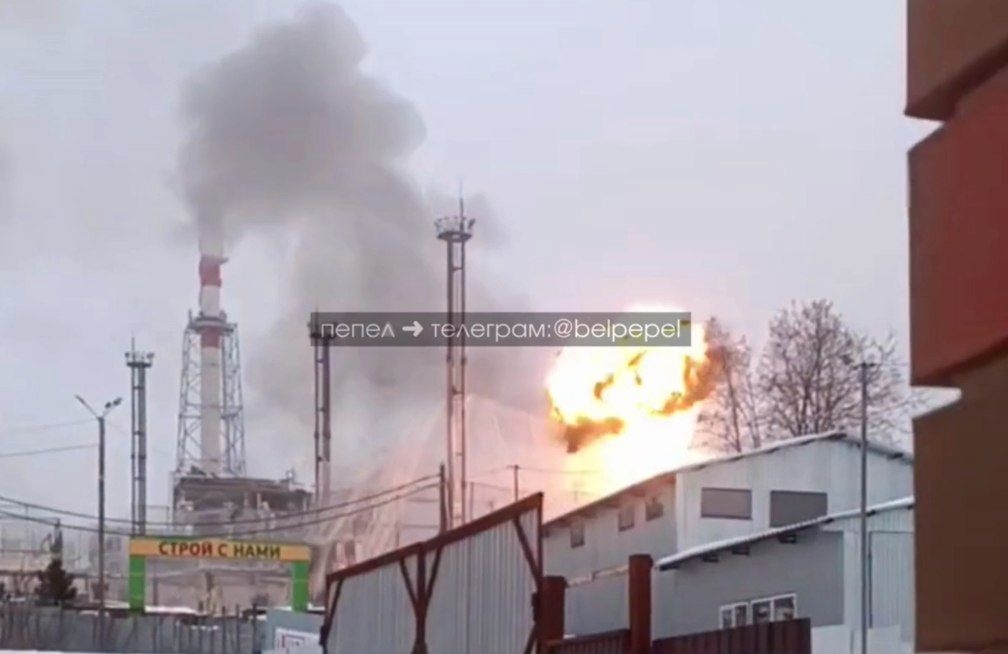
On Sept. 28, a strike on the Luch thermal power plant in Belgorod led to large-scale power outages for the first time. According to the independent outlet Astra, four HIMARS rockets struck the facility, destroying structures in the gas turbine installation area and setting the station’s main building on fire.
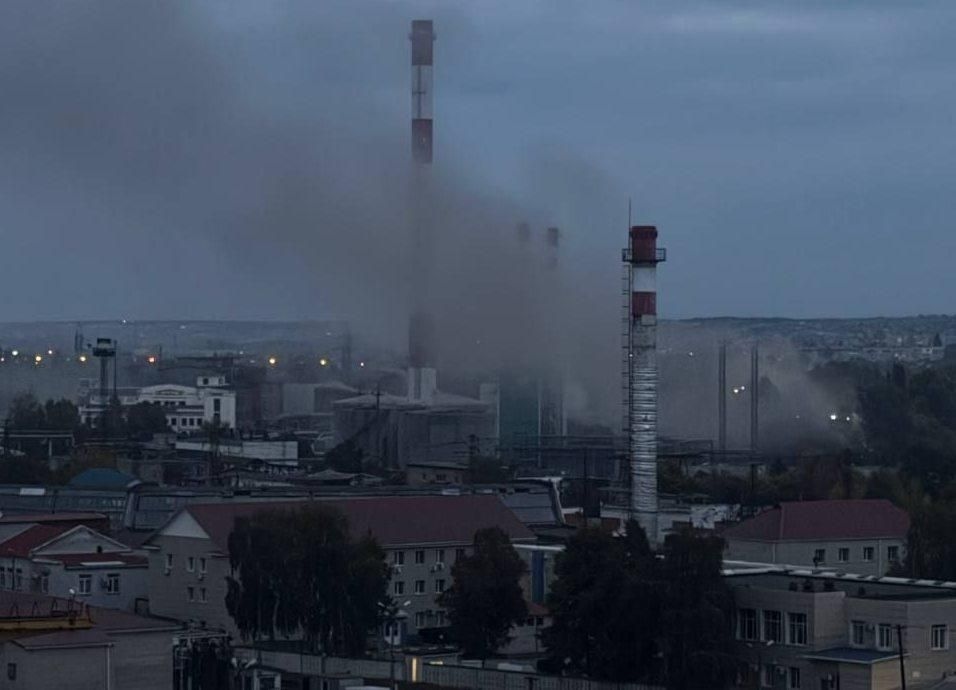
Another rocket hit an electrical substation in the village of Blizhnyaya Igumenka in the Belgorodsky District, damaging transformers and power lines. In all, more than 160,000 residents of the region were left without electricity that night. Utilities provider Rosseti sent out messages saying the blackout was linked to “unfavorable weather conditions,” while the Belgorodenergo company cited a “technological disruption linked to external impact.”
For the first time, Belgorod authorities publicly spoke about serious damage to an energy facility — not just about “temporary disruptions.” Then, on Oct. 5, after a second strike on the Luch thermal power plant, a fire broke out at the site and Belgorod plunged into a blackout that left more than 40,000 people without electricity.
By the end of the year, Belgorod’s energy system was noticeably weakened. Substations and thermal power plants were operating with limited load, and there were almost no reserves left. When several energy facilities were hit at once on the night of Jan. 8-9, 550,000 people were left without electricity for more than a day. Almost as many, local authorities said, were without heating, and about 200,000 were without water and sewage service. In the following days, people continued to complain about interruptions to electricity, heat, and water, with businesses and enterprises operating under strict limits.
Governor Gladkov called what was happening a “catastrophic situation” and warned locals that they might have to evacuate if the system could not cope. He admitted that it would no longer be possible to return everything to “how it was” and said the region was not capable of solving the problem “100 percent.”
Belgorod Governor Vyacheslav Gladkov admitted that it would no longer be possible to return everything to “how it was,” saying the region was not capable of solving the problem “100 percent.”
In January, employees of local energy companies told The Insider that the situation was even more severe than it appeared from the outside. They said that by the end of 2025, missile strikes had seriously damaged generating capacity at the Belgorod and Luch thermal power plants, and that the region had begun receiving some of its electricity through trunk lines running from the neighboring Kursk and Voronezh regions.
“Ahead is the traditional minimum of temperatures in February, and the city’s energy system may simply not withstand it. With electricity, you can still somehow manage through restrictions, but with heat everything is much more dangerous. If there are failures, heating will have to be stopped and the water drained, otherwise the pipes will simply rupture. Restoration will take weeks or even months,” they said.
“It helps to think that it’s warm in ‘our’ Crimea right now”
On the evening of Feb. 3, Belgorod plunged into a large-scale blackout for the second time in less than a month. After a missile strike on the Frunzenskaya and Belgorod substations, almost the entire city and its outskirts were left without electricity. Outside, the temperature was minus 22 degrees Celsius, and radiators in homes began to cool quickly.
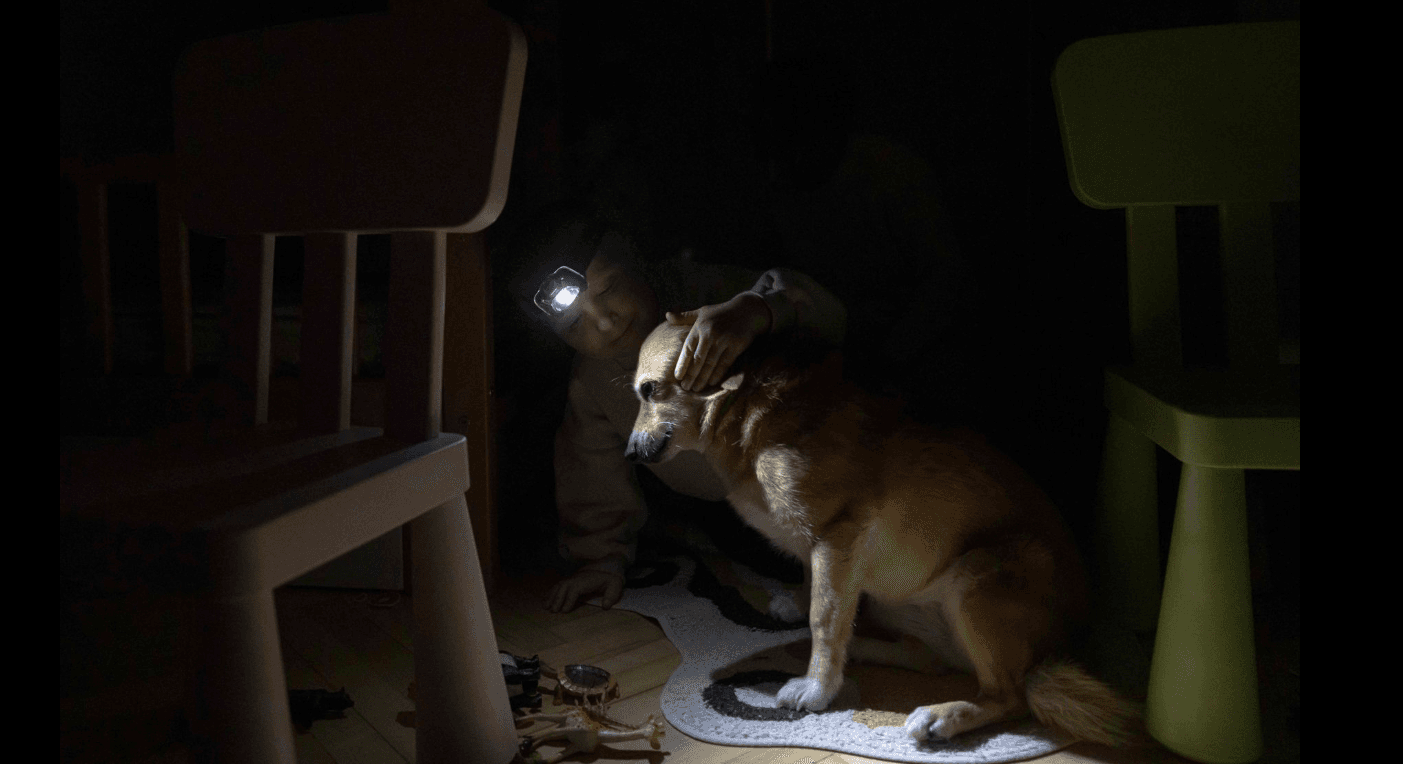
After the first blackouts, Belgorod residents began preparing for future outages. A pensioner living in the Kharkov Hill neighborhood told The Insider that after the January power outage she bought LED strips and batteries “so there would at least be some way to light the apartment.” Another city resident said her children had brought her an “ordinary, not electric” kettle, along with a power bank. Extra sweaters, socks, slippers, and blankets have become a necessity.
Against the backdrop of constant outages and uncertainty, Locals in Belgorod are getting by not only with flashlights and power banks, but also with sarcasm. “We're preparing ourselves by learning sayings about the cold weather on the internet,” Belgorod resident Yevgeny told The Insider, speaking ironically. “It helps to think that it’s warm in ‘our’ Crimea right now. I can really feel how the nation is becoming more majestic.”
Life in semi-darkness
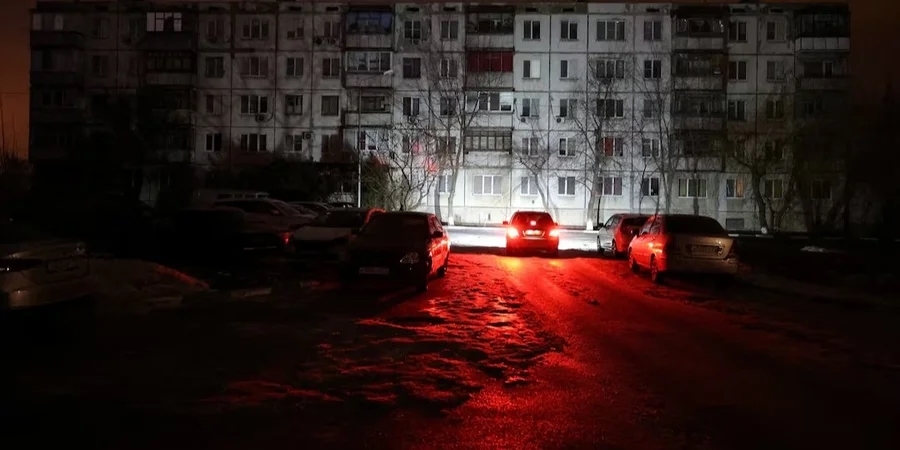
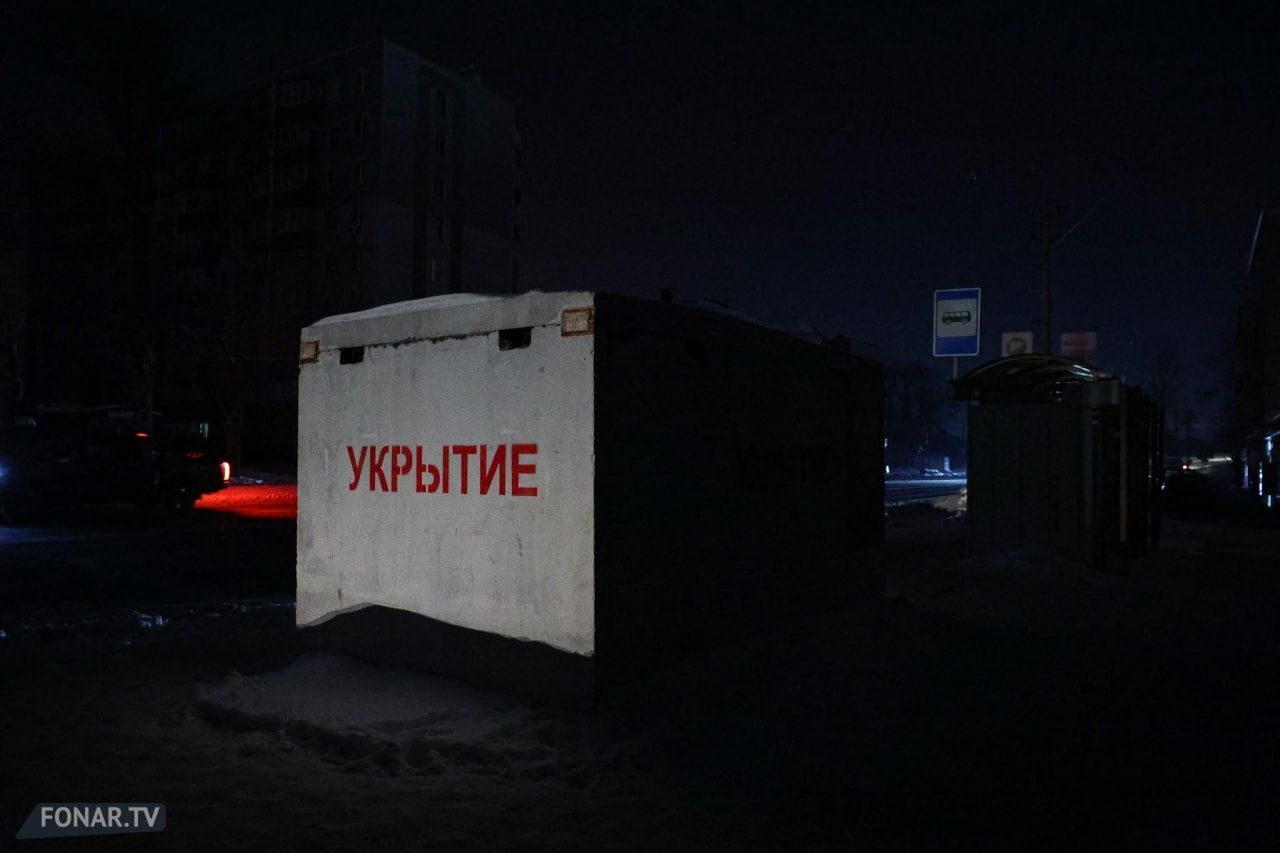
“A separate problem is the darkness,” Svetlana (name changed), a resident of the town of Stroitel near Belgorod, told The Insider. “Our streets, like those in Belgorod, are barely lit. Cars drive without headlights, and crosswalks are not visible. People try to wear reflective elements because crossing the road has become dangerous. Only certain spots are lit, near stores or some buildings. Otherwise, by evening the town simply sinks into darkness. You walk down the street and nothing is on. Everything is switched off, and you get the feeling the town has died out.”
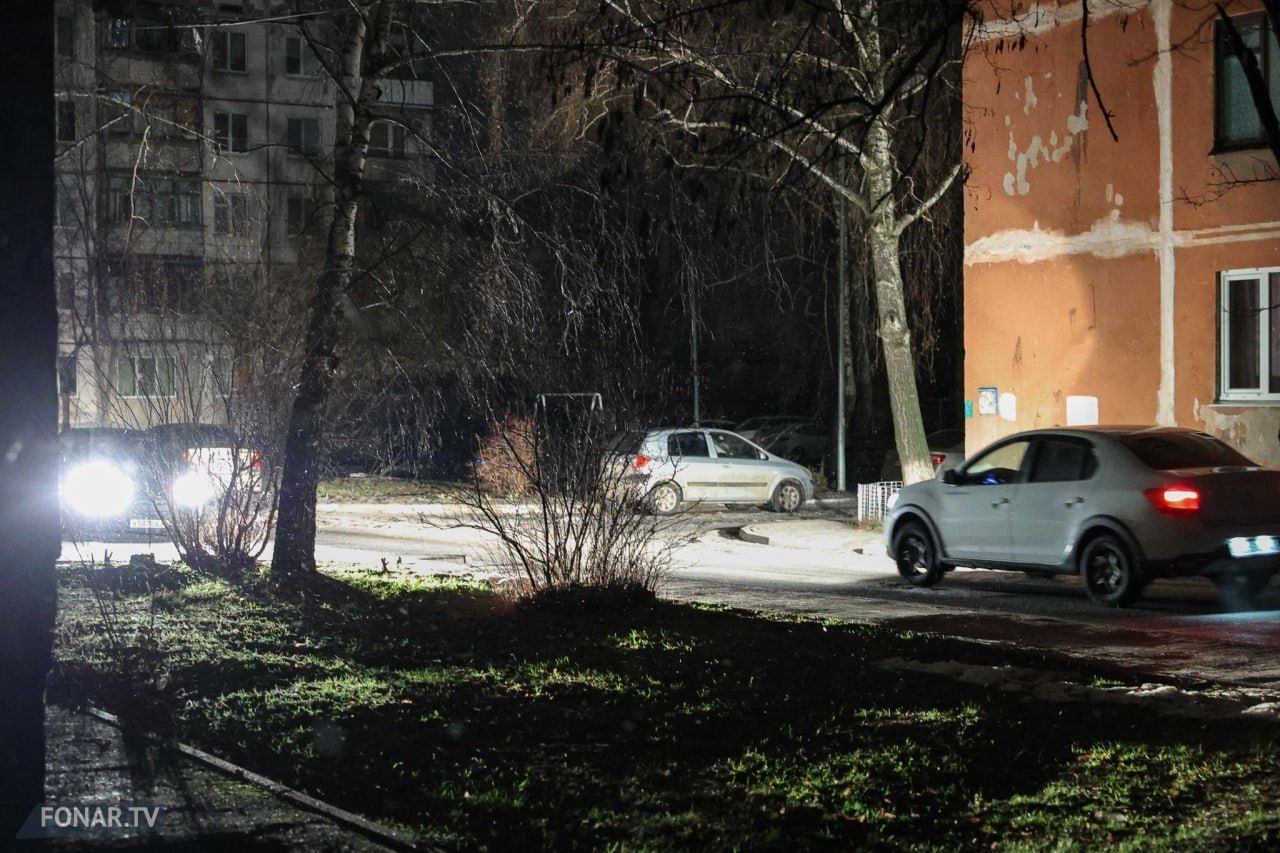
Stroitel is a district center with a population of about 25,000, located 27 kilometers north of Belgorod. Until the start of this year, it had remained a relatively safe place. According to Svetlana, residents from more dangerous parts of the region began moving there as shelling intensified. But after the attacks on Jan. 8-9, Stroitel residents faced a blackout for the first time.
“The lights flickered and went out, the internet vanished, and by the next morning the water was gone too. At first there was still some trickle, then only cold water was left, and in other areas there was none at all,” Svetlana said, adding that the lack of water is the hardest thing for her to endure. “That day even grocery stores were barely operating. Pyaterochka was closed for half the day. Everyone went to Magnit, and the shelves there quickly emptied. People were buying everything in sight,” she recalled.
Svetlana describes life in the darkened town as an “apocalypse,” but adds that “gradually all of this becomes the norm, people get used to it.” Still, she says, life in Stroitel feels far less secure than it did even a month ago: ”People try not to let children go out for walks in the evening. There are many military personnel in town, and that adds to the anxiety. People try to avoid anyone carrying weapons.”
Svetlana also noted that far from all residents of private homes have generators. “They are expensive. The authorities advise people to buy them, but many simply cannot afford it, and sometimes they pool money for one. But in general, survival in these conditions is more of a personal task for each family.”
According to her, alarming sounds are constantly heard in town. “Sometimes you can hear something flying, a mechanical hum overhead, but nothing is visible in the sky. It becomes frightening. You read the news and see that somewhere a car was smashed, somewhere a person was wounded. You try to take shelter, but often there is nowhere to take shelter because there are glass storefronts, bus stops, and stores all around. There are also communications problems. Mobile internet works intermittently. You are no longer sure you will be able to make a call, transfer money, or send a message. Everything has to be planned in advance.”
What is happening in Ukraine, including in Kharkiv, is discussed cautiously among her acquaintances in Belgorod and neighbors in Stroitel, Svetlana said, and “only with people they trust. People are afraid. Everyone understands that one wrong word can bring trouble.”
Svetlana said she does not know what will happen next. “Anything is possible now. If the infrastructure is destroyed completely and electricity and water disappear for a long time, we will have to leave for somewhere.” But for now, she said, the authorities are trying to repair the damage as quickly as possible. “They try to restore electricity to homes, not to the streets. The town lives in semidarkness. It is a compromise between survival and normal life.”
“I did not start a family for this”
Vitaly (name changed) told The Insider that after the January strikes on the city’s energy infrastructure he finally left Belgorod with his wife and children. Over four years of war, the family twice left to stay with relatives in another Russian region, but they returned both times in the hope that the situation would stabilize.
“We will return a third time only when there is peace. Living under sirens and explosions, with the constant risk of being left without electricity and heat, is not why I started a family,” he said. As long as the war continues, Belgorod, in his view, will only continue “wasting away, as if dementors are sucking the life out of it.”
The number of residents who have left the region since the start of the war is not precisely known. By local residents’ own sense of the situation, the population of Belgorod itself has fallen by around a third..
But official statistics show a different picture. In late November 2025, Governor Gladkov said that only 60,000 of the Belgorod region’s 1.5 million people had left since the start of the full-scale war, clarifying that the estimate was based on the number of canceled compulsory medical insurance policies, which the authorities view as one indicator of population outflow. (At the same time, according to calculations by Belgorodstat, nearly 69,000 people left the Belgorod Region in 2022-2023 alone.)
Whatever the actual figure might be, most residents of the Belgorod Region continue living at home despite strikes, stray missiles, electricity disruptions, and heat shutoffs. The most common answer residents give when asked why is something along the lines of: “I have no ability to leave. My only home is here, my job is here, my children go to school here, and my elderly parents are here.”
Antidrone nets instead of concrete shelters
According to military analyst Ruslan Leviev, co-founder of the independent open-source intelligence research group Conflict Intelligence Team (CIT), Belgorod and its residents are effectively being used by Moscow as an element of the country’s air defense system.
“For the Kremlin, it is critically important that strikes do not reach Moscow and other politically significant centers. What has been hitting the Belgorod region since February 2022 is not considered critical at the federal level. On top of that, propaganda makes maximum use of it, saying ‘look how bad the Ukrainian armed forces are, they strike civilians.’”
At the same time, there has been little real help for the region, Leviev said. Moreover, Russia is not taking the sorts of measures Ukraine does to protect its energy facilities:
“The Ukrainians learned this lesson after previous winters. They understood that Russia would now strike the energy sector every winter. As a rule, during the spring, summer, and fall they try to prep these facilities. They try to surround smaller transformers on all sides with sandbags, and they build concrete sarcophaguses to protect larger substations so missiles cannot hit them. From what I see, in the Belgorod region the most they did was stretch out antidrone nets. They do not protect against missiles at all. Preparation, frankly, was very weak.”
Leviev believes Kyiv does not have the technical capability to strike the energy infrastructure of Moscow or the Leningrad region, areas where outages like those experienced in Belgorod would have “a much greater political effect.” That’s why Belgorod and other border cities will continue to live under the constant threat of retaliatory attacks for as long as the Russian military continues its attempts to make Ukraine unlivable.