Israel’s goal in its ongoing military campaign against Hezbollah is to ensure that the terrorist organization not only suffers the maximum possible losses on the battlefield, but that it also exits Lebanon’s political scene. However, while past rounds of fighting have depleted Hezbollah’s arsenals, they have also radicalized its leadership, making them even more willing to carry out directions from Iran. Under the current circumstances, authorities in both Tehran and Beirut have every incentive to put pressure on the Shiite movement.
Lebanon disarming Hezbollah
On March 2, two days after U.S. and Israeli forces began striking targets inside Iran, Hezbollah entered the war by taking the fight directly to Israel, surprising those analysts who had expected the Iranian proxy force to limit itself to statements of support for Tehran. Such assumptions were linked to Lebanon’s domestic situation, a product of the 2023–2024 war between Israel and Hezbollah in which Lebanon had once again been turned into a battlefield, sparking sharp criticism within the country and raising the question of Hezbollah’s domestic legitimacy.
The day Hezbollah resumed its fight with Israel, Lebanese president General Joseph Aoun, together with Prime Minister Nawaf Salam, adopted the country’s first-ever plan to disarm the Shiite group. Lebanon cautiously referred to this process as “transferring” all weapons held by various militias into the hands of the state.
The government claims it had even completed the disarmament in areas up to the Litani River days before the outbreak of the war in Iran. However, as subsequent events showed, its efforts were largely symbolic. Hezbollah managed to retain part of its weapons in the border regions, not to mention its fighters, most of whom are residents of the south — i.e. below the Litani River.
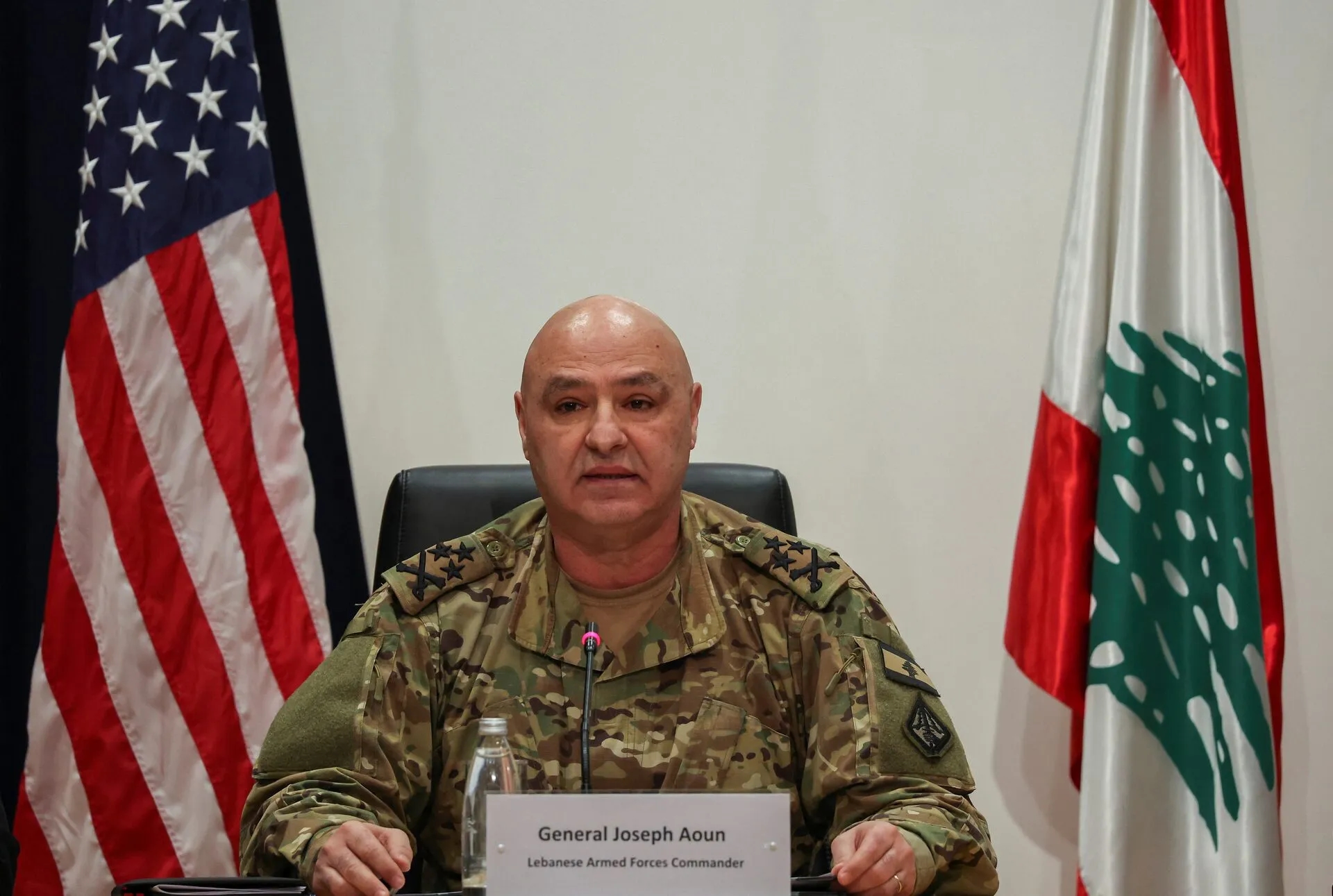
Nevertheless, after the war against Iran began, experts generally believed that Hezbollah would not enter a new conflict, as the wider Lebanese population had not yet forgiven the group for the damage caused by its previous military campaign. Many sources in Lebanon still claim that Hezbollah’s political leadership, including Secretary-General Naim Qassem, may not have known about the military wing’s decision to shell Israel early last month. Given that Hezbollah chose to sit out the war between Israel and Iran in June 2025, there were hopes that the same would hold true this time.
Israel, however, held no illusions. In late January, experts at the Alma Research and Education Center wrote that Hezbollah would enter any fighting if ordered to do so by Iran's supreme leader. In 2025, such a directive never came. Now the situation has changed, and the war has taken on an existential character for both the Iranian regime and for Hezbollah. In Lebanon itself, however, the shock was immense. No one outside of the Shiite movement wanted or expected a war.
Rising from the ashes
By entering the war, Hezbollah gave Israel a reason to finish what was started in the previous round of confrontation (even if Israel had never fully stopped). After the ceasefire agreement was signed in November 2024, the Israeli Air Force continued to carry out targeted strikes against Hezbollah facilities under the pretext that the group was violating the ceasefire.
However, despite Israel’s actions and the Lebanese government’s efforts in recent months, reports are increasingly emerging that Hezbollah is working to replenish its missile capabilities while also reorganizing its military and political apparatus. After all, in 2024 Israel eliminated the movement’s Secretary-General, Hassan Nasrallah, along with several other key figures.
According to Alma, by 2024 Hezbollah had about 75,000 rockets and missiles of all types and ranges — a significant decrease from 2023, when INSS reported that the group’s arsenal included 150,000–200,000 rockets to go along with 50,000 to 100,000 fighters. In 2021, Hassan Nasrallah had spoken of 100,000 rockets.
Current estimates from Israeli think tanks put Hezbollah’s missile and rocket arsenal at around 25,000 units, and most of these are of the short- and medium-range type. In addition, the group possesses a limited number of ballistic missiles capable of covering considerable distances, and there have already been multiple examples of Hezbollah’s missiles reaching the center and south of Israel, up to the Gaza Strip. In addition, the group is estimated to have 1,000-2,000 drones.
Hezbollah’s rocket and missile arsenal is estimated at roughly 25,000 units — mostly of the short- and medium-range variety
Over the past year, Hezbollah has focused on weapons production — an objective necessitated by the fall of Bashar al-Assad’s regime in Damascus in December 2024. Before that, Hezbollah had made itself at home in Syria for more than ten years, transporting both drugs and weapons through the country. After Ahmed al-Sharaa came to power, however, Hezbollah was forced to leave.
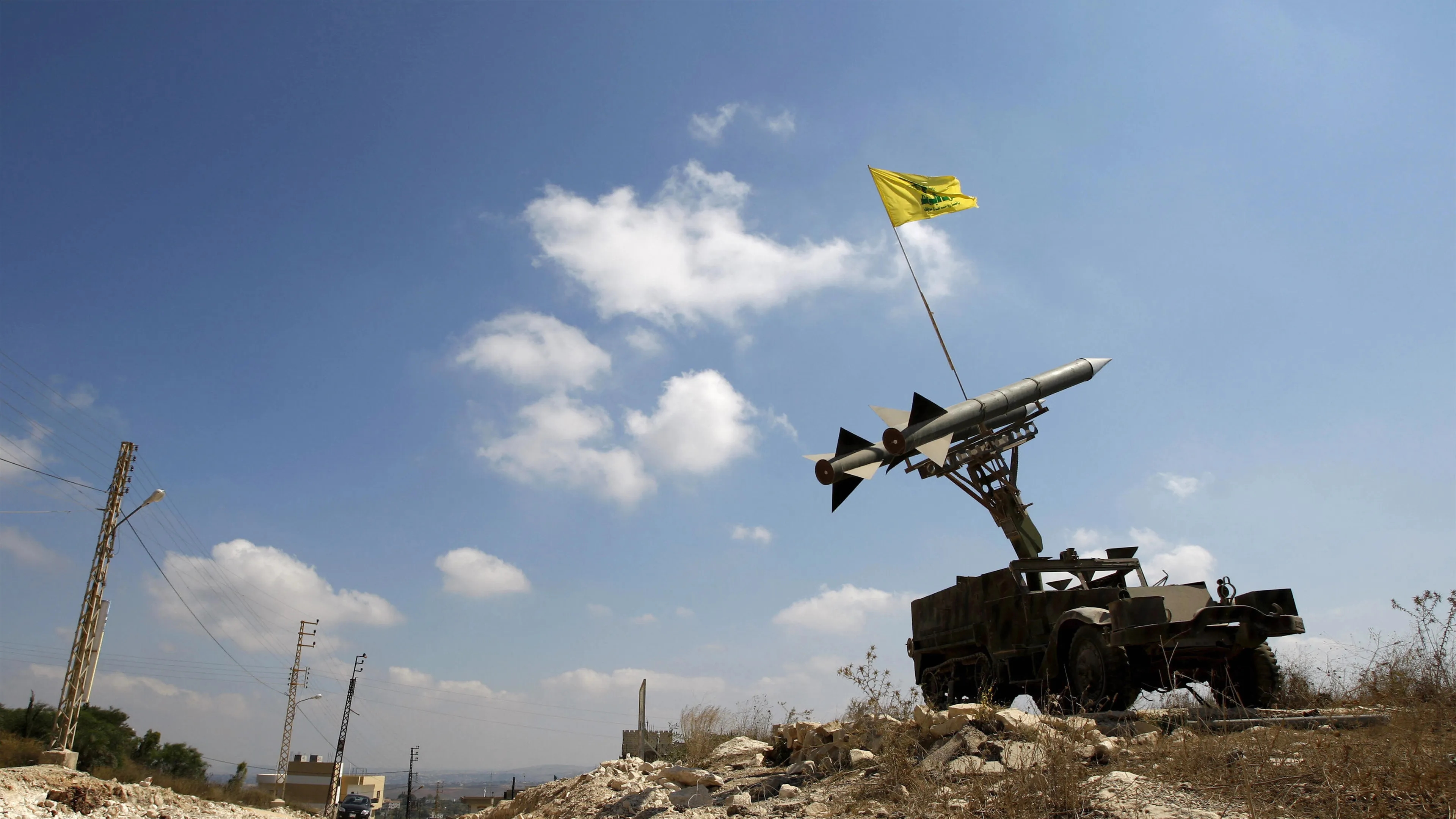
Obtaining weapons from Iran also became more difficult, although Tehran still found ways to replenish Hezbollah’s arsenal by sea through Turkey, and it continues funding the group. This past November, the Israeli news outlet Ynet, citing the U.S. Department of the Treasury, reported that Iran had transferred roughly $1 billion to Hezbollah since the beginning of 2025.
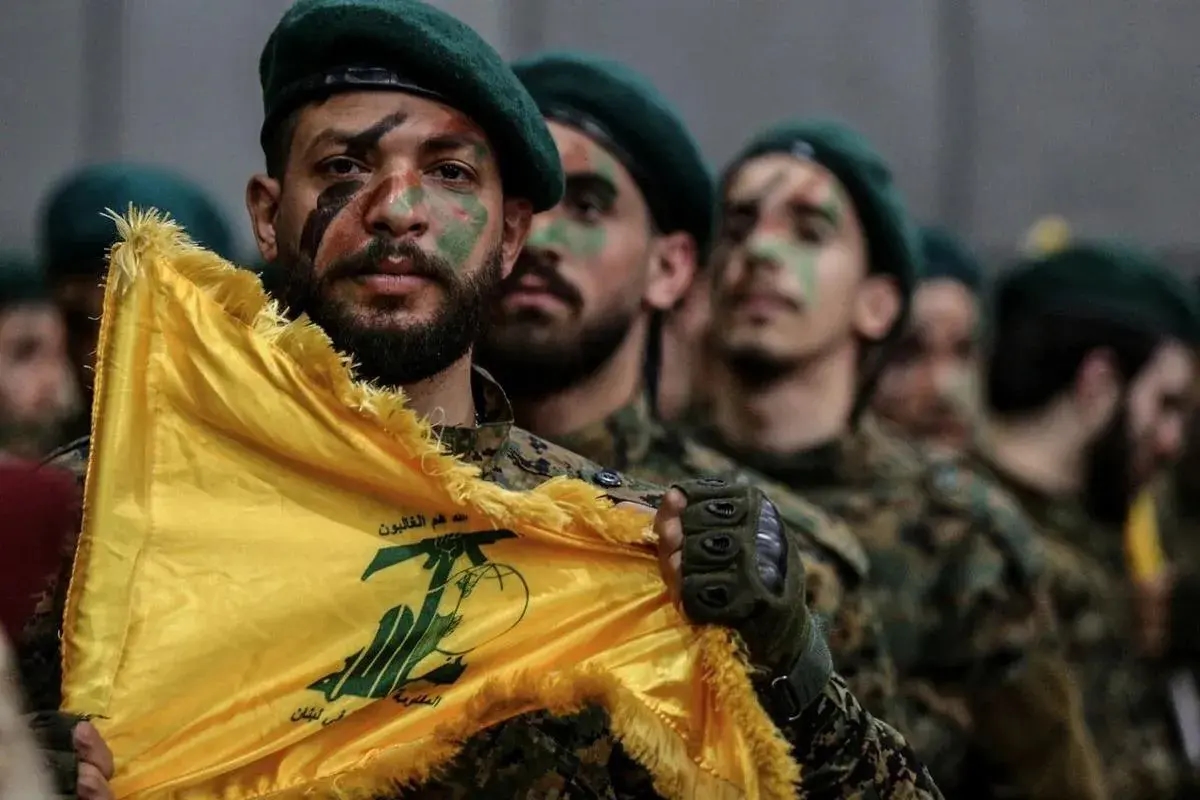
As for Hezbollah’s fighters, Alma estimates that the group has 40,000–50,000 active combatants, with another 30,000–50,000 reservists who could be called upon. In other words, there have been no major changes compared with 2024. Arab sources indicate that in 2024 Hezbollah lost around 4,000 fighters, while another 1,500 went missing.
Bet on decentralized command
Perhaps the biggest change seen since 2024 has been in Hezbollah’s tactics. The Islamic Revolutionary Guard Corps (IRGC) worked intensively in this area after Israel eliminated the Lebanese group’s leadership in 2024. Since then, the IRGC has effectively taken control of Hezbollah, particularly of its military wing.
According to Reuters, upwards of one hundred IRGC officers were operating in Lebanon until recently, working on reshaping Hezbollah’s strategy in preparation for a new war. In particular, they focused on developing decentralized command in which small units would be ready to operate independently, without relying on orders from the center. Operational secrecy was also increased, and a plan was developed for missile strikes on Israel to be launched simultaneously from Iran and Lebanon — a scenario first carried out on March 11.
Reports of the IRGC’s increased activity in Lebanon are not limited to anonymous sources. The Israel Defense Forces (IDF) periodically report the killing of IRGC officers on Lebanese territory. The presence of Tehran’s representatives has also been confirmed by the Lebanese authorities, and one of the Lebanese government’s first decisions at the start of the war was to ban IRGC activity in the country with a demand that all individuals connected to the organization leave, even if they held diplomatic passports. In addition, the visa-free regime for Iranian citizens was abolished, prompting about 150 Iranians to depart Beirut on a Russian flight. Iran claimed that the passengers were diplomats, women, and children, but some were clearly IRGC members.
One of the Lebanese government’s first decisions at the start of the war was to ban IRGC activity in the country
Nevertheless, many IRGC officers remain in Lebanon and continue to oversee the course of the fighting. Some of them even hold Lebanese passports.
Overall, Hezbollah’s new military leadership, which replaced the eliminated old guard, is far more radical than its predecessors. It is prepared to fight to the end. The political leadership has little say in the matter, as it has yet to earn any real authority. Without battlefield victories or political achievements to his name thus far, Naim Qassem does not enjoy the same unquestioned support that Hassan Nasrallah once did. Still, he should not be underestimated.
Limited ground operation
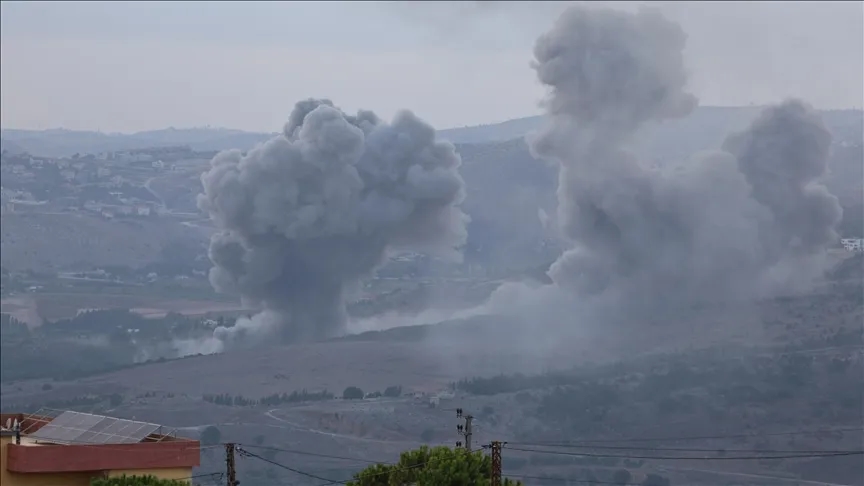
Against this backdrop, in mid-March Israel launched a limited ground operation in Lebanon. Initially, it mainly targeted Hezbollah’s infrastructure in the border areas — primarily weapons depots and tunnels leading from Lebanon into Israel. Progress has been slow and cautious, though in some areas Israeli forces have already reached the Litani River, and in recent days, several operations were carried out north of the Litani.
The main task of the ground forces is indeed to clear territory up to the southern part of the Litani River (approximately 20–30 km from the Israel-Lebanon border line), thereby ensuring the safety of northern Israeli residents. At present, Israel has effectively isolated this area from the rest of Lebanon by destroying the main bridges across the river. “Hundreds of thousands of residents of southern Lebanon who were evacuated will not return south of the Litani River until the safety of residents in northern Israel is ensured,” said Israel’s defense minister Israel Katz.
According to Katz, the operation aims “to create a defensive buffer and eliminate threats to settlements.” It is modeled on IDF actions in the Gaza Strip around Rafah and Beit Hanoun following the Hamas terrorist attacks of October 7, 2023. Needless to say, creating a buffer zone involves demolishing entire villages.
Israel’s operations are not limited to the border areas. Since the beginning of March, the Israel Air Force has also been striking Hezbollah-linked targets in Beirut and in the Beqaa Valley, located in the east of the country along the border with Syria. The goal is the maximal destruction of Hezbollah’s empire. Strikes target not only weapons depots and headquarters but also economic infrastructure, such as Hezbollah’s bank branches and fuel stations — anything that helps the organization generate revenue and thereby survive. According to Israeli data, Hezbollah has suffered roughly $100 million in direct losses during the current war.
Ultimately, Israel seeks one thing: the complete disarmament of Hezbollah. At the same time, security forces understand that this will not be quick or easy. After the 2024 war, Hezbollah fighters changed their tactics. Instead of concentrating on the frontline at the border as before, its fighters are falling back to the second line of villages in southern Lebanon, preparing to drag out the battle. Hezbollah’s main positions north of the Litani River and in the Beqaa Valley remain, providing strategic depth for operations. South of the Litani, deployments have been concentrated mainly at weapons depots and launch infrastructure for mortars and short-range rockets.
In this context, Israel faces serious questions: how far should it advance into Lebanon, and for how long? Occupying southern Lebanon will require significant effort and could lead to an increase in casualties, as the IDF knows from experience. Meanwhile, even if Israeli troops are present on the ground in the south, Hezbollah will remain in other areas of Lebanon, and airstrikes may not be enough to solve this problem. Israeli analysts increasingly maintain that the presence of the IDF in southern Lebanon “will last at least several months, and possibly years.”
On the Arab side, however, there is some hope — albeit fragile — that Israel is merely threatening occupation in order to pressure the Lebanese government to finally declare Hezbollah illegal. However, the Lebanese authorities cannot deal with Hezbollah on their own. The government’s resources are very limited, even if, unlike in similar situations in the past, the leadership in Beirut has begun to demonstrate some real political will.
Caught between two fires
Immediately after Hezbollah entered the war on March 2, the Cabinet of Lebanon banned the movement’s military activities. In addition, state media were advised against quoting statements from the group and its leaders, and were told to avoid using the term “resistance forces” — the label Hezbollah and other groups connected to Iran adopt to describe themselves, claiming their goal is to fight Israel.
The government also instructed the army and security services to prevent rocket and drone launches toward Israel and to take action in the event of violations. Several Hezbollah members were arrested. But such efforts are nowhere close to enough.
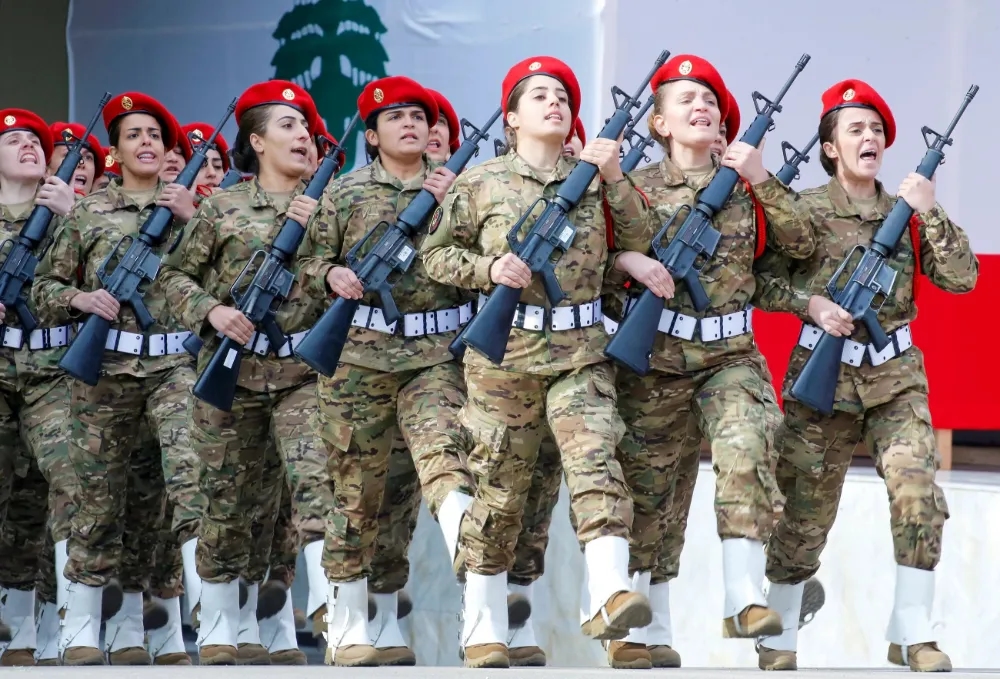
As a result, Lebanon has found itself caught between two fires. On the one hand, even the smallest incident could trigger a civil war. Lebanese armed forces commander Rodolphe Haykal has already warned of a possible split within the army, a significant portion of which is made up of Shiites. This is one of the reasons why the army was unable to clear Hezbollah weapons from the south. In some cases, soldiers made arrangements with militants regarding what they would hand over and what areas should be ignored. On the other hand, Lebanon fears the expansion of the Israeli military offensive and the occupation of the border region.
One of the most telling events in this struggle was the withdrawal on March 24 of the accreditation of Iran’s ambassador to Lebanon, Mohammad Reza Sheibani, who did not even have time to assume his duties, having arrived in Beirut just two days before the war. Hezbollah, along with the Shia movement Amal and the Supreme Islamic Shia Council, opposed this milestone decision by the Lebanese government.
Tehran also refused to comply. On March 30, the Iranian Ministry of Foreign Affairs announced that Sheibani would continue his work in Beirut, even though the deadline for his departure had already passed. The question is what steps Beirut will take in response after already having issued a clear challenge to Iran.
The French-language Lebanese outlet L’Orient-Le Jour summed up the situation on March 25, writing: “For Hezbollah’s opponents, Iran is doomed to lose this war. Even if it manages to reach an agreement with the United States, for Tehran this would mean abandoning its plans in the region and its support for allies. In their view, expelling the ambassador fits this logic. Hezbollah, for its part, sees this as an attempt by some Lebanese forces to anticipate the outcome of the conflict and prepare for the postwar period. This includes recognizing the group as a terrorist organization, dismantling its structure, and banning any political activity.”
Hezbollah was already on the verge of a complete ban by the government. At a dedicated cabinet meeting, a fierce confrontation emerged between representatives of different Lebanese factions. In the end, the ban applied only to military activity, but that does not mean the issue will not return, especially given the international pressure on Lebanon.
For its part, Beirut has asked mediators to persuade Israel to halt military operations for at least a month, promising to resolve the issue of Hezbollah during that time. However, Israel and the United States believed that negotiations made no sense as long as the Lebanese authorities had not declared the group illegal. As a result, the negotiation process stalled. The Israeli side refused to agree to a ceasefire for talks, while Lebanon also faced domestic controversy.
According to Lebanese media, Iran instructed Hezbollah to reject the initiative of President Joseph Aoun to begin direct negotiations with Israel, while Tehran presumably intends to use this war to partially restore its influence, uniting the various fronts by insisting on a regional ceasefire rather than negotiating over a halt to U.S.-Israeli strikes against Iran itself.
Incidentally, Lebanon’s speaker of parliament Nabih Berri told Asharq Al-Awsat that he hoped leaked reports “about the imminent conclusion of an Iranian-American deal prove to be true.” Berri hopes for “a comprehensive agreement that will include an end to the Israeli war in Lebanon.” The publication emphasizes that Tehran gave Beirut “a clear promise” to include Lebanon in any agreement that would end the war with the United States and Israel.
However, Israel and the United States are trying to keep the two fronts separated. Washington is pretending that the developments in Lebanon are of no concern, while in Israel there is hope that even if Washington opts to stop military operations against Iran, this will not affect the Lebanese campaign.
The Arab monarchies of the Persian Gulf are not interested in allowing Tehran to bring peace to Lebanon either, fearing — quite reasonably — that the Iranian regime could once again become the dominant external player in Beirut. All of them hope for the weakening of Hezbollah and are effectively allowing Israel to do the dirty work. However, they also fear an Israeli occupation and an expansion of the ground operation, especially amid rising casualties and other humanitarian consequences.
At present, the death toll in Lebanon has exceeded 1,000 people, according to the country’s Health Ministry, which does not distinguish between Hezbollah fighters and civilians in its casualty lists. Meanwhile, more than one million people have become refugees in a country with an overall population of just under six million.
Rebuilding after the fighting ultimately comes to an end will require an enormous infusion of resources, and dealing with whatever remains of Hezbollah after the current conflict is unlikely to be an easy task. Mediators will pressure Beirut to deal with the terrorists, but at the same time, no one will be in a hurry to invest money in Lebanon amid justifiable fears of another war.
Dealing with whatever remains of Hezbollah after the current conflict is unlikely to be an easy task for the Lebanese government
Declaring Hezbollah illegal on paper is possible, but such a move will do nothing to shrink the movement’s support base among Lebanon’s Shiite population, which accounts for about 40% of the country’s residents. Although the ongoing war is feeding dissatisfaction among Shiites as well, Hezbollah still has tens of thousands of loyalists who, if necessary, would take to the streets and even attempt a coup to alter the political balance of power. Moreover, Israeli strikes on civilian infrastructure and the expansion of military operations could increase support for Hezbollah, creating a vicious circle.
In the end, everything still comes down to Iran. The regime in Tehran is not likely to fall in the near future, but the question remains: will it retain the ability to continue supporting regional proxies like Hezbollah? Sources in the Israeli security services say the results of the campaign against Iran are directly damaging the group, meaning that whatever answer eventually emerges, Hezbollah will not come out of the war in the same form it entered the fighting.