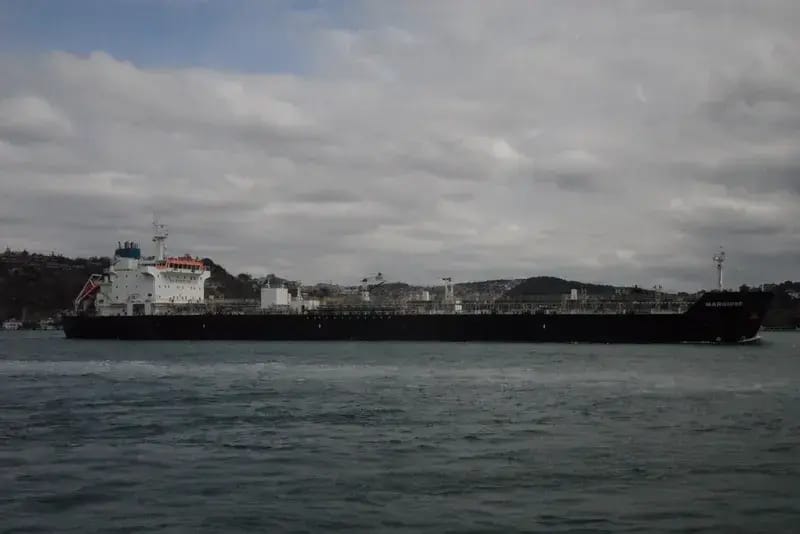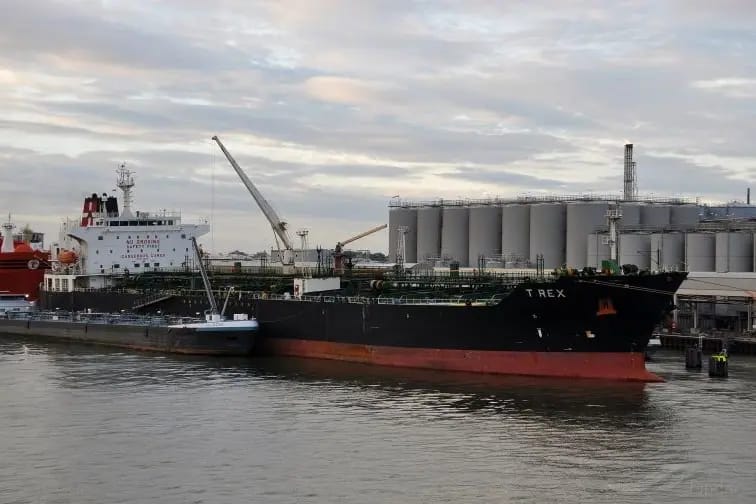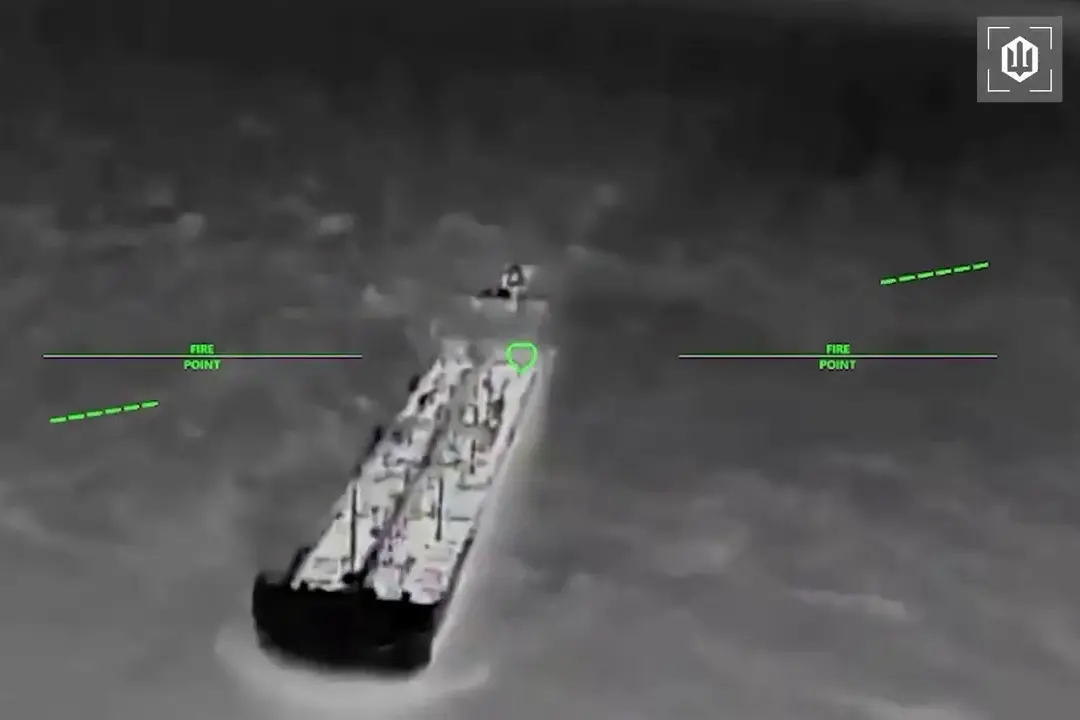
Over the course of the past two days, Ukrainian forces have attacked a total of 10 Russian tankers in the Sea of Azov. The ships were likely attempting to deliver fuel to Russian-occupied Crimea, which has experienced severe energy shortages in recent weeks.
The commander of Ukraine’s Unmanned Systems Forces (USF) Robert “Madyar” Brovdi stated that on the night of July 6, the USF attacked two Russian tankers in the Sea of Azov. According to Ukrainian military officials, the ships were transporting gasoline from Taganrog to annexed Crimea. The published video identifies the vessels as Kapitan Barmin (IMO: 9269350) and Sanar-4 (IMO 9476771).
Brovdi said that each tanker was carrying 7,000 metric tons of fuel, adding that the strike was coordinated with Ukraine’s Naval Forces. The published footage shows what appear to be hits on the vessels; however, the Ukrainian side did not report on the extent of the damage, the status of the crews, or whether the tankers sank or continued sailing.
Neither vessel had been transmitting AIS signals prior to the reported attack, according to Starboard Maritime Intelligence data analyzed by The Insider. The latest signal from Kapitan Barmin was recorded on May 22 in the Sea of Azov, while Sanar-4 does not appear in the available AIS observation history of Starboard Maritime Intelligence.
The Telegram channel Dva Mayora (Two Majors), which is affiliated with the Russian security services, also reported on the strike on two gasoline tankers:
“Ukraine is publishing footage of a strike in the Sea of Azov on two civilian gasoline tankers traveling from Taganrog to Crimea. After such attacks, does any vessel have the right to sail to or from Ukrainian ports?”
The attack took place against the backdrop of a gasoline crisis in Russia and occupied Crimea. On June 29, Vladimir Putin acknowledged a “certain shortage” of fuel and stated that the peninsula had only a few days’ worth of reserves remaining. According to Putin, Crimea needs 70,000 metric tons of fuel a month, and the authorities intend to increase supplies both by land and by sea.
By the end of June, fuel shortages, sales restrictions, and supply disruptions had been recorded in 88 of the 89 regions under Russian control, The Insider observed. Mikhail Razvozhaev, the head of Sevastopol’s occupation administration, said that restrictions on gasoline sales in the city would remain in place for at least another month, while the head of occupied Crimea, Sergei Aksyonov, warned that large volumes of fuel would not be available for sale anytime in the near future.
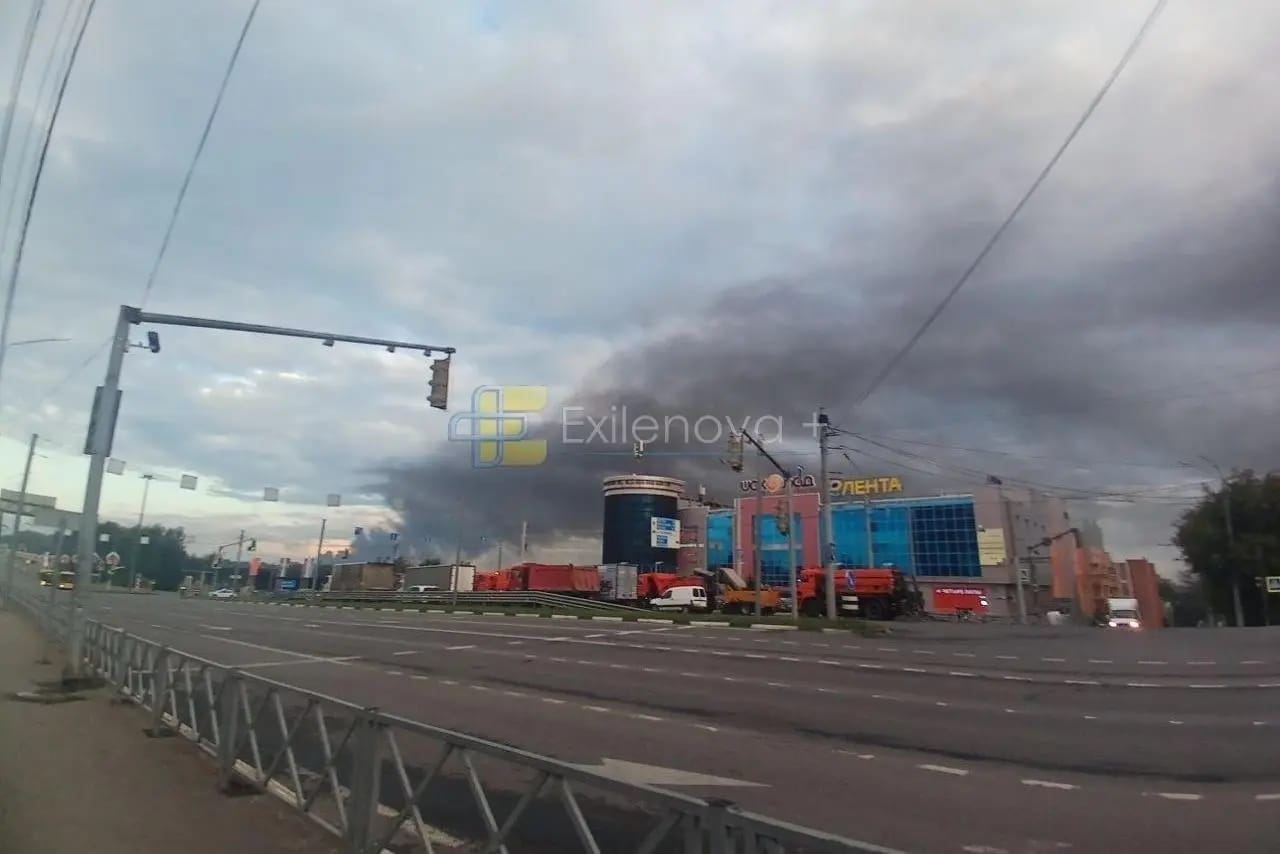
Brovdi also reported strikes on a fuel depot in Kerch, on the Nebo-U radar station in Crimea, and against two S-400 missile systems — one in Crimea and one in the Bryansk Region. That same night, the occupied peninsula suffered a total blackout, which local power company Krymenergo attributed to “external impacts” on high-voltage power lines. Russian authorities reported that one person was killed and two injured.
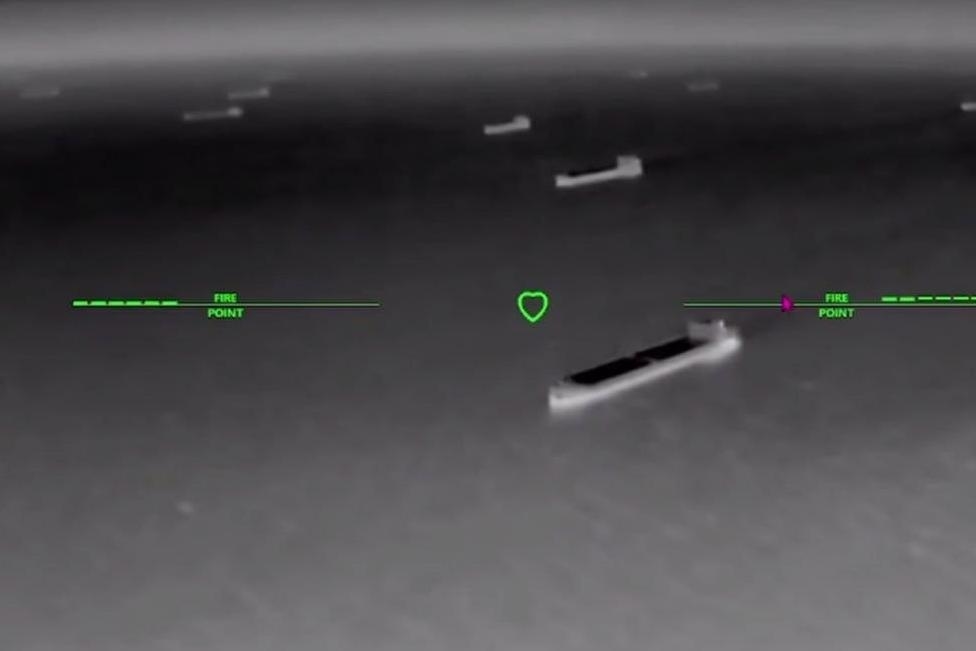
Subsequently, overnight into July 7, Ukrainian Unmanned Systems Forces struck eight Russian tankers, according to the USF commander Robert “Madyar” Brovdi.
In his post, Brovdi stated that the tankers were attacked in the Sea of Azov. He provided video footage of the strikes and the names of seven of the tankers:
- Venera-3 (IMO: 9599353)
- Sanar-1 (IMO: 9332389)
- Sanar-17 (IMO: 9640554)
- Klimena (IMO: 9376593)
- Teti (IMO: 9540352)
- Aleksey Savrasov (IMO: 9645061)
- Penelope (IMO: 9540364).
The name of the eighth tanker has not been established. All of the listed vessels sail under the Russian flag. In addition to oil tankers, a bulk carrier and a ferry were also struck. In his post, Brovdi referred to the attacks as the “battle for gasoline for Crimea.”
The exact location of the tankers at the time of the attack is unknown. Their transponders, which transmit real-time positioning data, were switched off. The most recent AIS data is available for the Teti, as per Starboard Maritime Intelligence data analyzed by The Insider. On the evening of July 6, the tanker appeared on radar near the port of Yeysk, which has an oil loading terminal.
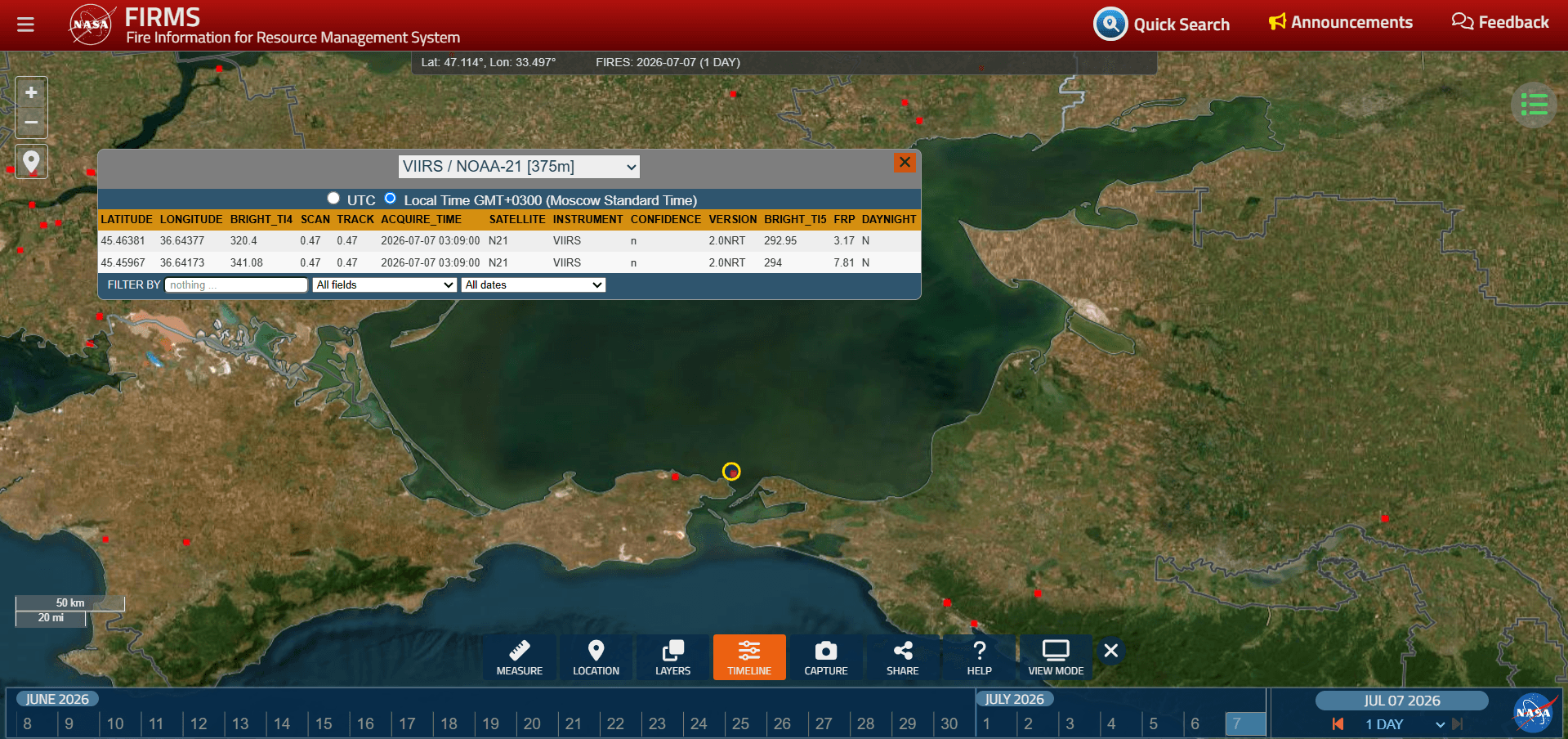
Data from the NASA FIRMS satellite fire monitoring system recorded a fire at sea in the area of the Kerch Strait.
Russian authorities did not comment on reports of either attack on the vessels.