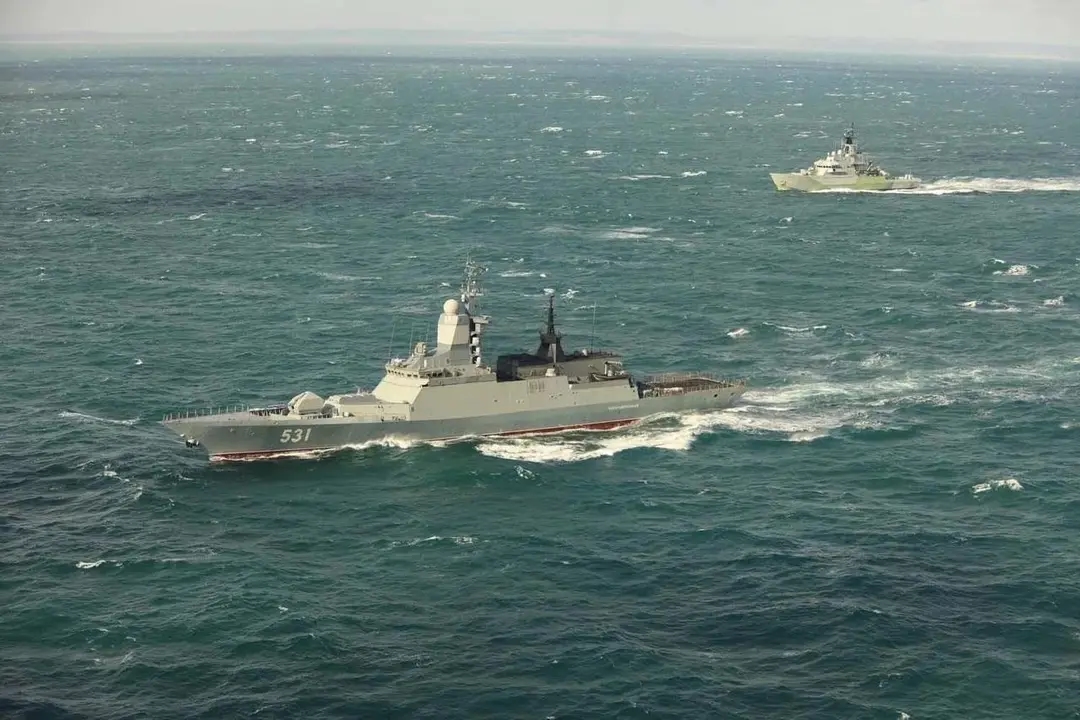
On the morning of June 30, a Russian warship disrupted the observation of the sanctioned tanker Kira K (IMO 9346720), which was carrying more than 100,000 metric tons of Russian crude oil through the Baltic Sea, Greenpeace Nordic investigations lead Maik Marahrens reported on the social network Bluesky.
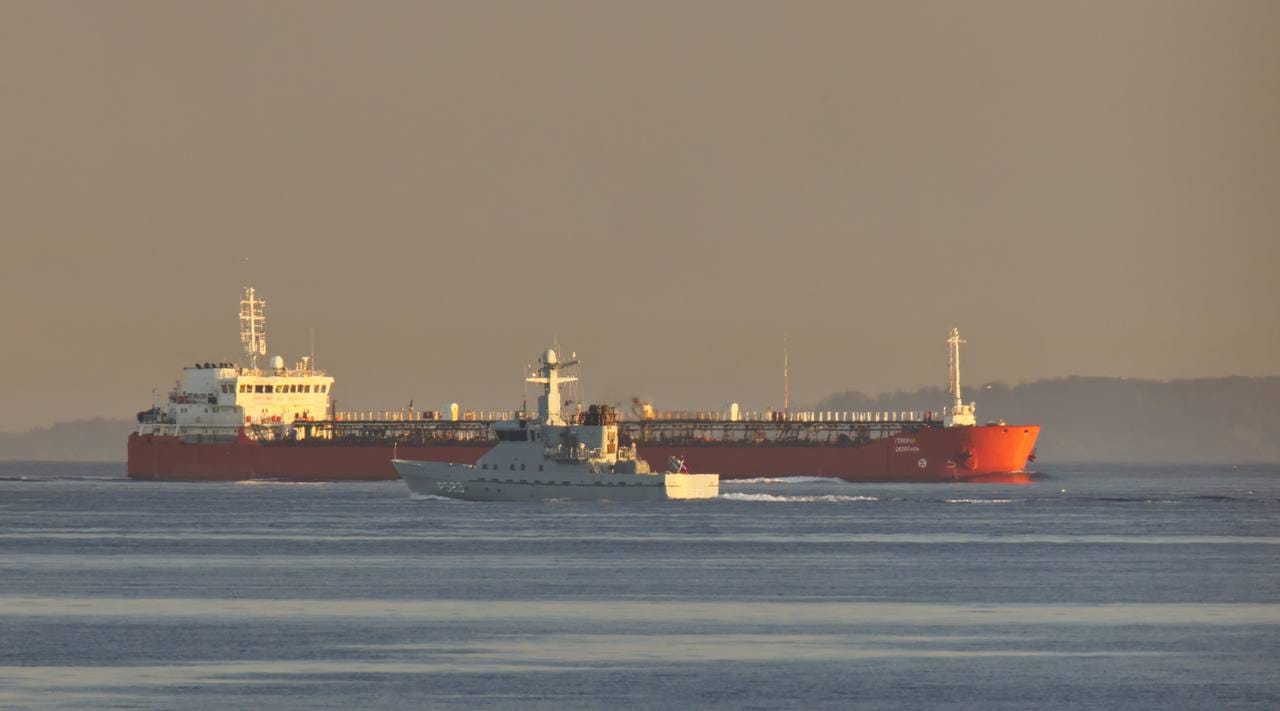
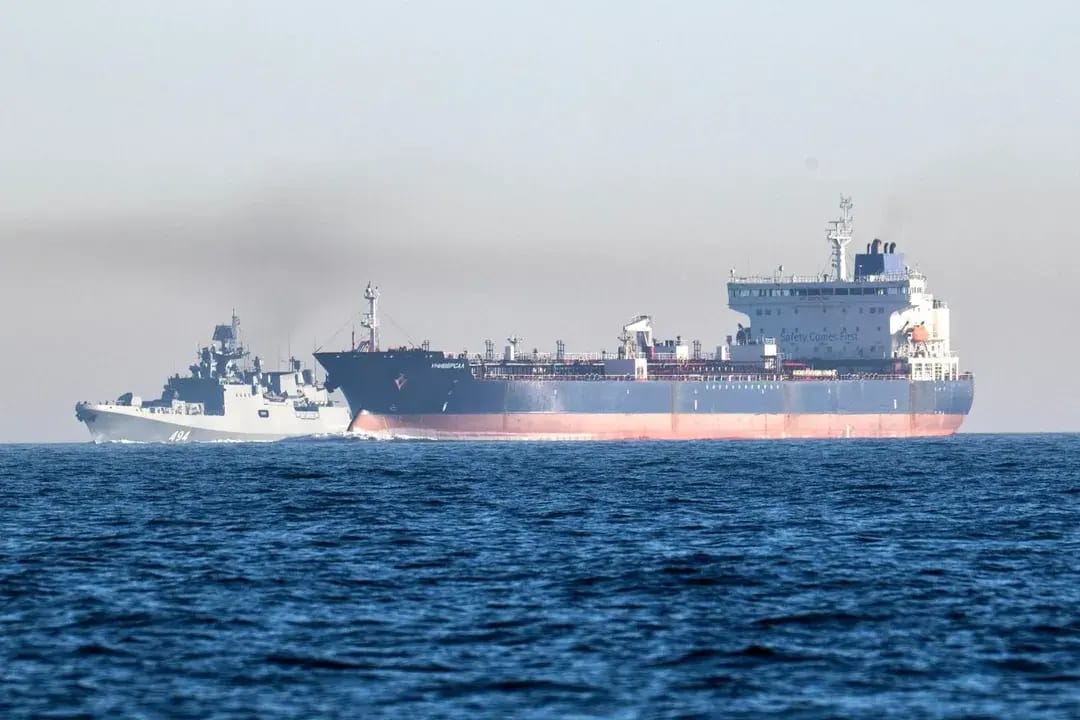
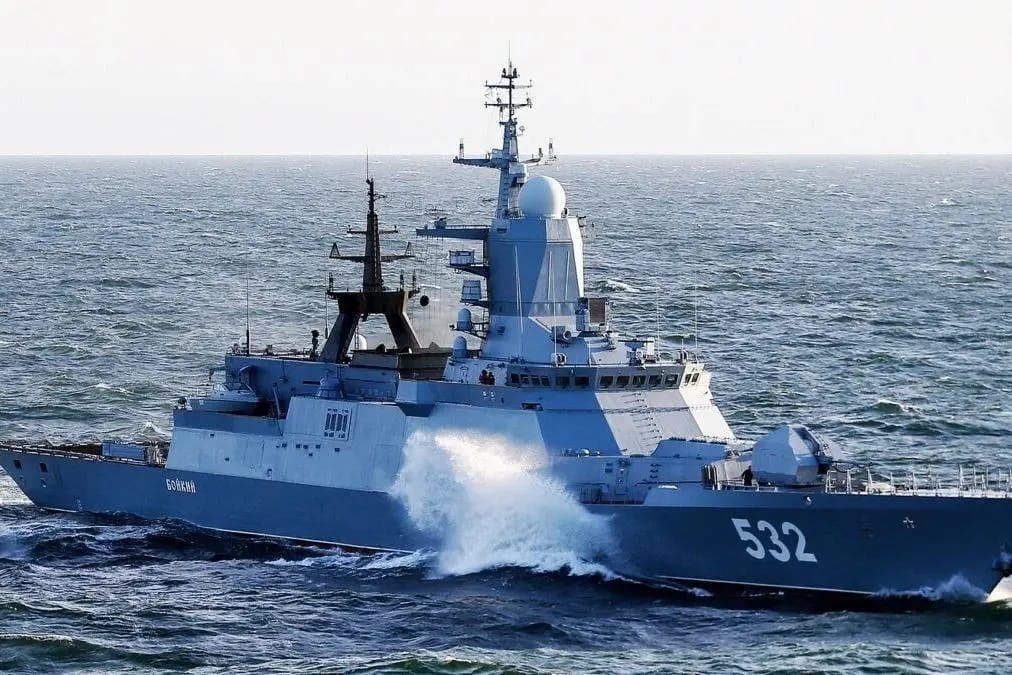
Marahrens said that while he was documenting the tanker’s passage through the Fehmarn Belt strait with politicians and journalists, the German coast guard vessel Bayreuth approached. Then the Russian corvette Soobrazitelny — hull number 531 — arrived from the east at high speed.
“Had a chance today to experience first hand how much tension the shadow fleet creates in the Baltic,” Marahrens wrote. “The RF-531 hadn't been escorting the Kira K, but came to its aid at high speed from the East. We knew Russian navy vessels are in the area for this purpose. Hearing ‘Here speaks Russian war ship 531, stay away from the Kira K' over radio made this very tangible.”
According to data from the vessel monitoring platform Starboard Maritime Intelligence, the tanker Kira K left the Russian oil port of Primorsk on June 28. After the incident described by Marahrens, it continued crossing the Baltic Sea towards the Danish Straits.
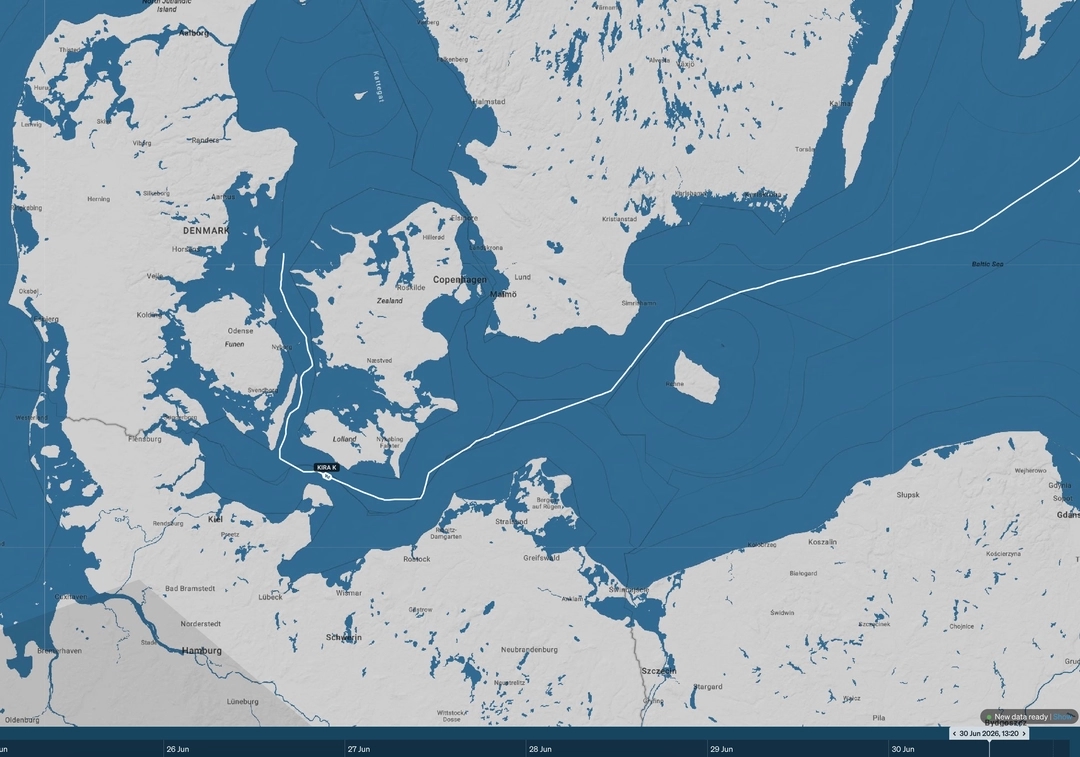
According to Ukraine’s HUR military intelligence agency, Kira K is used to export Russian oil from the country’s Baltic ports to India and other countries, often while switching off its AIS signal — the automatic identification system that transmits a vessel’s identity, location, course, and speed. The international environmental organization Greenpeace also classifies the vessel as being part of Russia’s “shadow fleet,” a collection of aging ships that help sanctioned producers like Russia export oil at rates closer to market value.
According to the UK-based shipping analytics firm Lloyd’s List, Kira K is regularly used for ship-to-ship oil transfers. The tanker is under sanctions imposed by the UK, Canada, Australia, the EU, Switzerland, New Zealand, and Ukraine. In February 2026, Ukraine also imposed sanctions on the vessel’s captain.