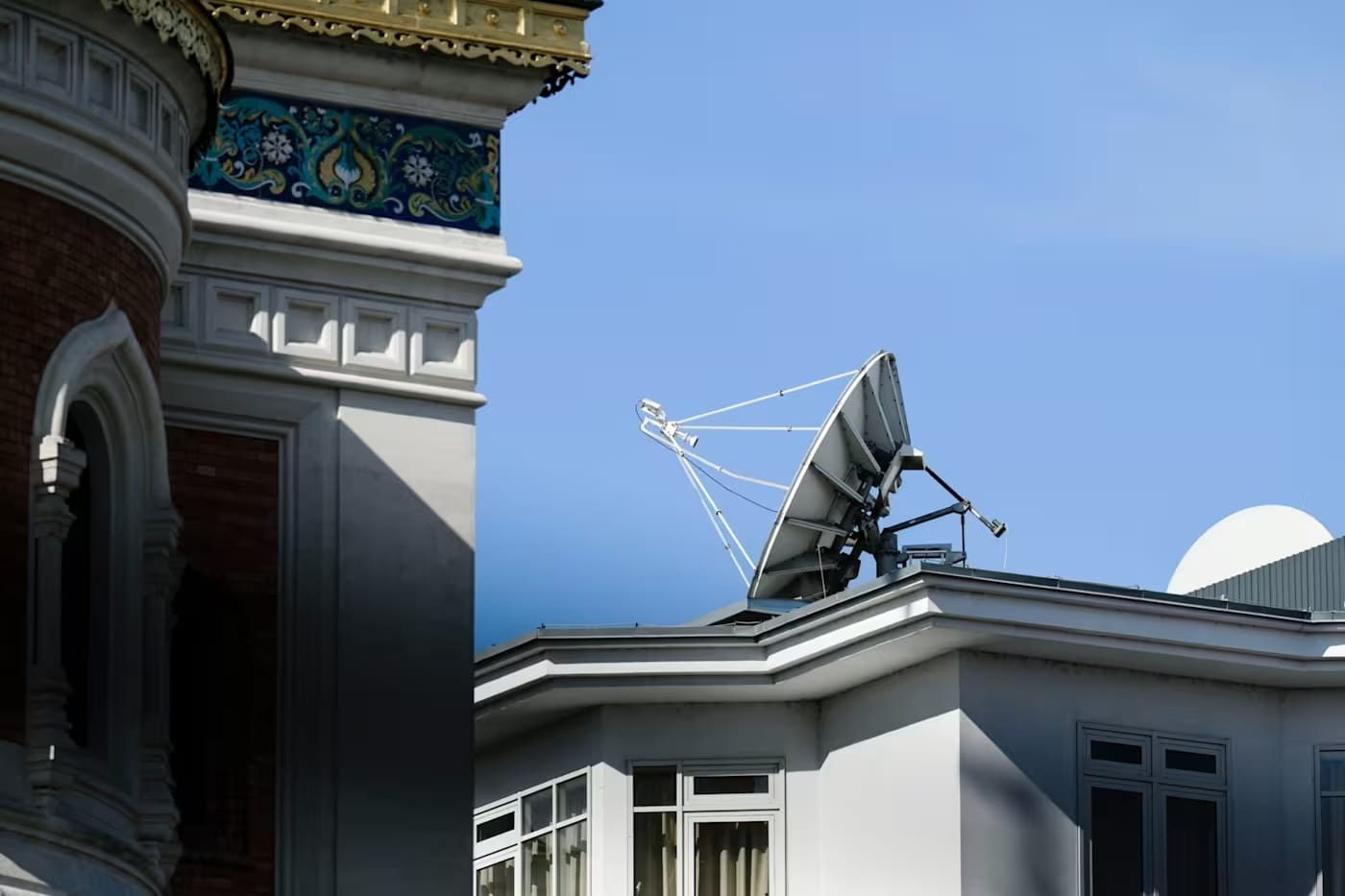
Austria has declared three Russian diplomats personae non gratae, citing their alleged involvement in espionage. Foreign Minister Beate Meinl-Reisinger did not name them, but the local outlet ORF reports that they were embassy employees directly linked to intelligence operations. Russia’s diplomatic mission in Vienna called the decision “outrageous,” claiming that it affected both the embassy staff and Russia’s permanent mission to the OSCE.
Vienna suspects Moscow is using numerous satellite dishes installed on diplomatic buildings for surveillance. Reuters reported that the antennas have long attracted the attention of Austria’s domestic intelligence service, which has warned that the equipment may be used to intercept communications.
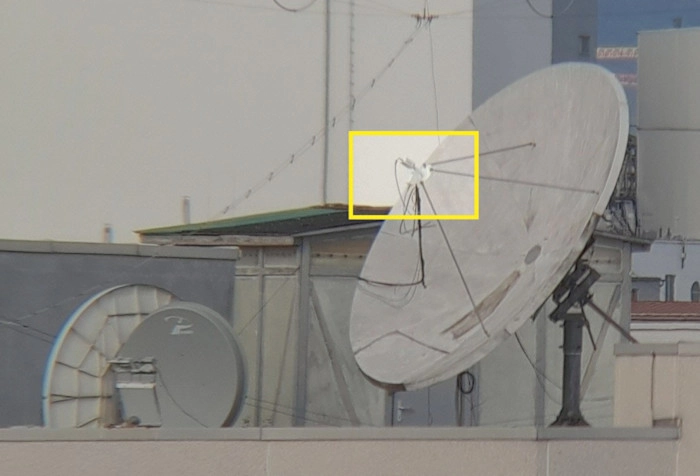
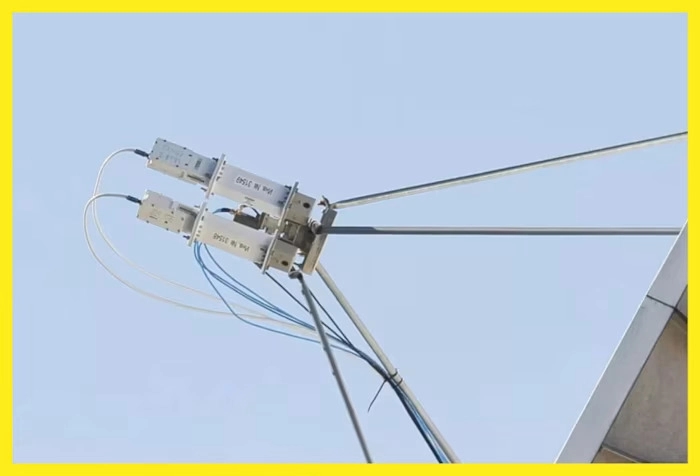
The Financial Times previously reported that Russian diplomatic sites in Vienna had become Russia’s largest signals intelligence platform in the West. As the key site, the outlet names the so-called “Russencity,” a nine-hectare complex on the eastern bank of the Danube with the multistory building of Russia’s Permanent Mission to the United Nations at its center.
The Insider also previously found that Russia’s Embassy in Vienna is effectively used as an intelligence hub. The Reisnerstrasse complex employs dozens of staff with diplomatic passports linked to the SVR, GRU, and FSB, and the site is used, among other things, to coordinate operations in other European countries. In October 2025, The Insider revealed the identities of so-called “journalists under cover” after they arrived in Austria following the expulsion of Russian consular staff from Munich.
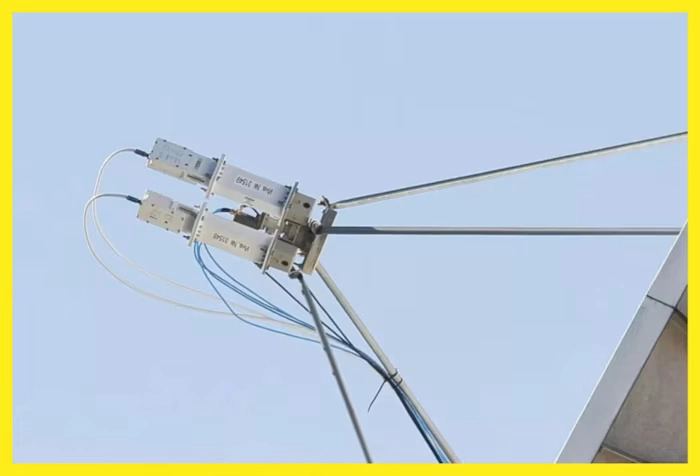
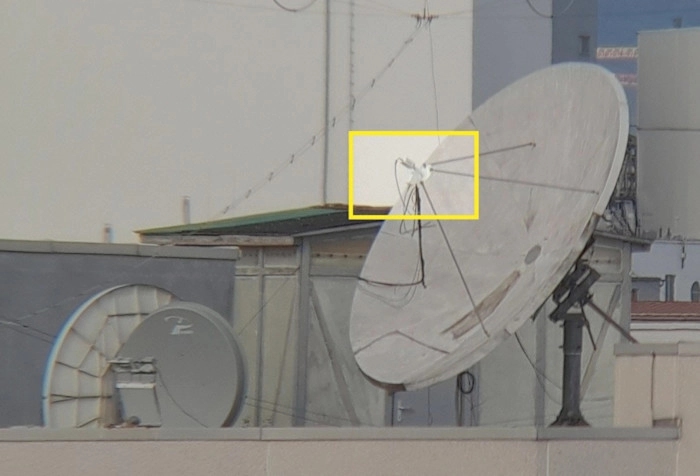
Viennese engineer enthusiasts from the group NomenNescio spent two years photographing the complex’s roofs in high resolution and found that most of the dishes were aimed at four geostationary satellites: Eutelsat 3B, Eutelsat 10B, SES-5, and Rascom QAF1. The satellites provide communications between Africa and Europe. Special attachments installed in front of the receivers allow signals to be “probed” across a much wider range than standard equipment.