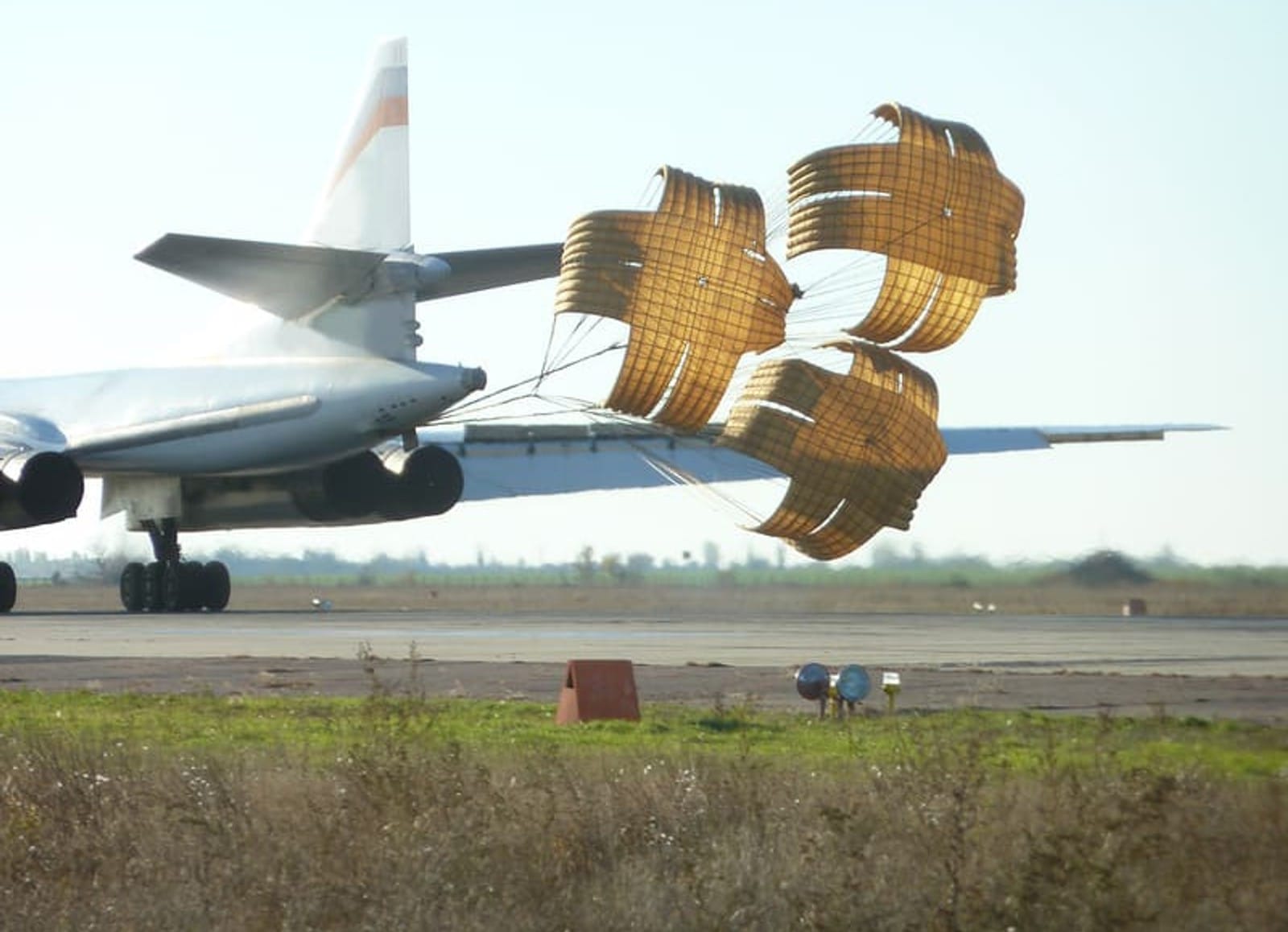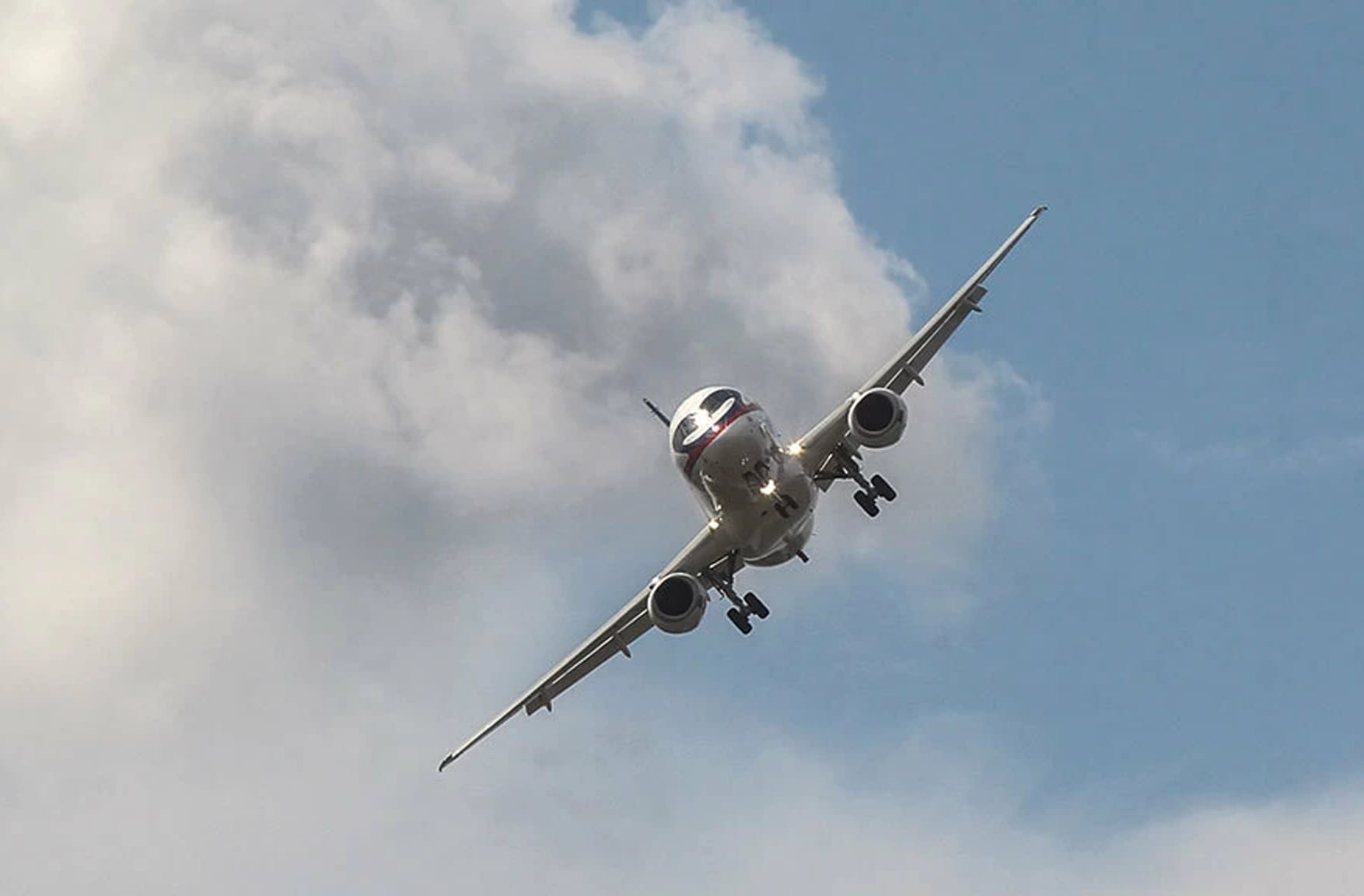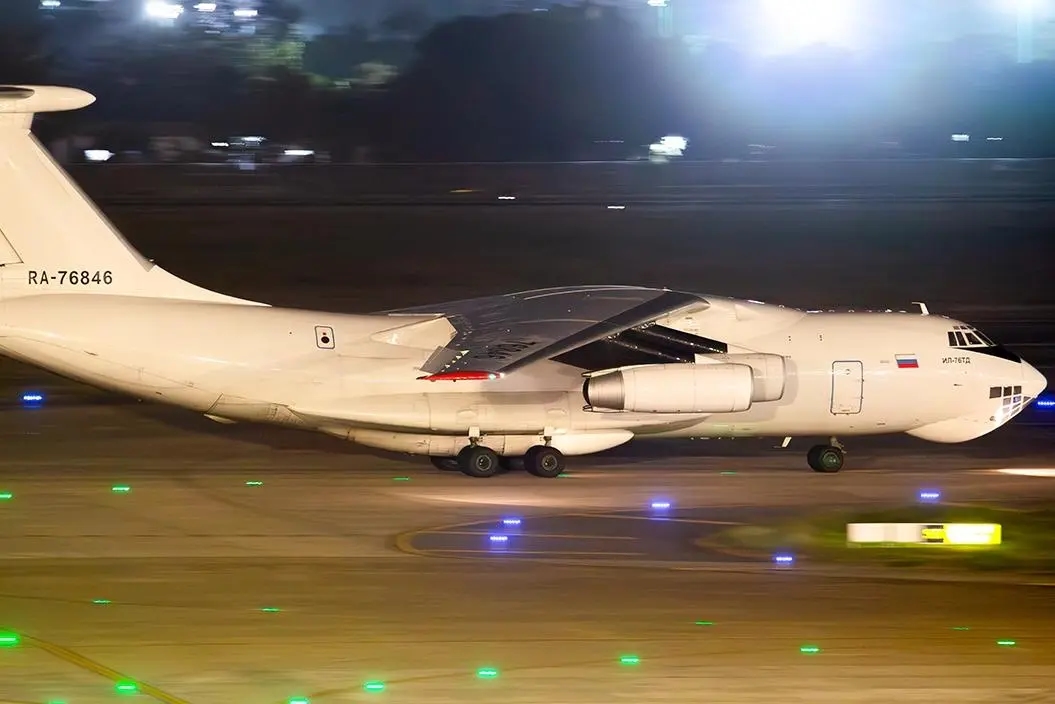
Russia’s Defense Ministry uses aircraft formally classified as civilian to transport military cargo, the private intelligence and data analysis firm Dallas found in a recent investigation. As of April 2022, Russia’s commercial aircraft fleet included 1,287 planes, 60 of which were used by various state agencies and affiliated companies for non-commercial transport. That segment includes the 223rd Flight Unit, which is subordinate to the Defense Ministry. According to the investigators, the 223rd works in tandem with its sister unit, the 224th, which split from the Russian Air Force in order to provide commercial cargo air transport.
By placing part of its fleet in the civilian registry, the Defense Ministry can bypass restrictions imposed on military aircraft. International law requires complex and easily traceable permits for military aircraft to cross national borders and bars them from using commercial airports. However, Russian aircraft, posing as civilian charter flights, transport military cargo to major transit hubs in the United Arab Emirates, Turkey, and African countries, the investigation alleged. In 2023, the U.S. Treasury sanctioned the 223rd Flight Unit for transporting Wagner mercenaries, weapons, and resources through Syria, Sudan, Mali, and the Central African Republic. The 224th Flight Unit and its Director General, Vladimir Mikheychik, were sanctioned over the use of nominally civilian Il-76 aircraft to move ballistic missiles from North Korea to Russia.
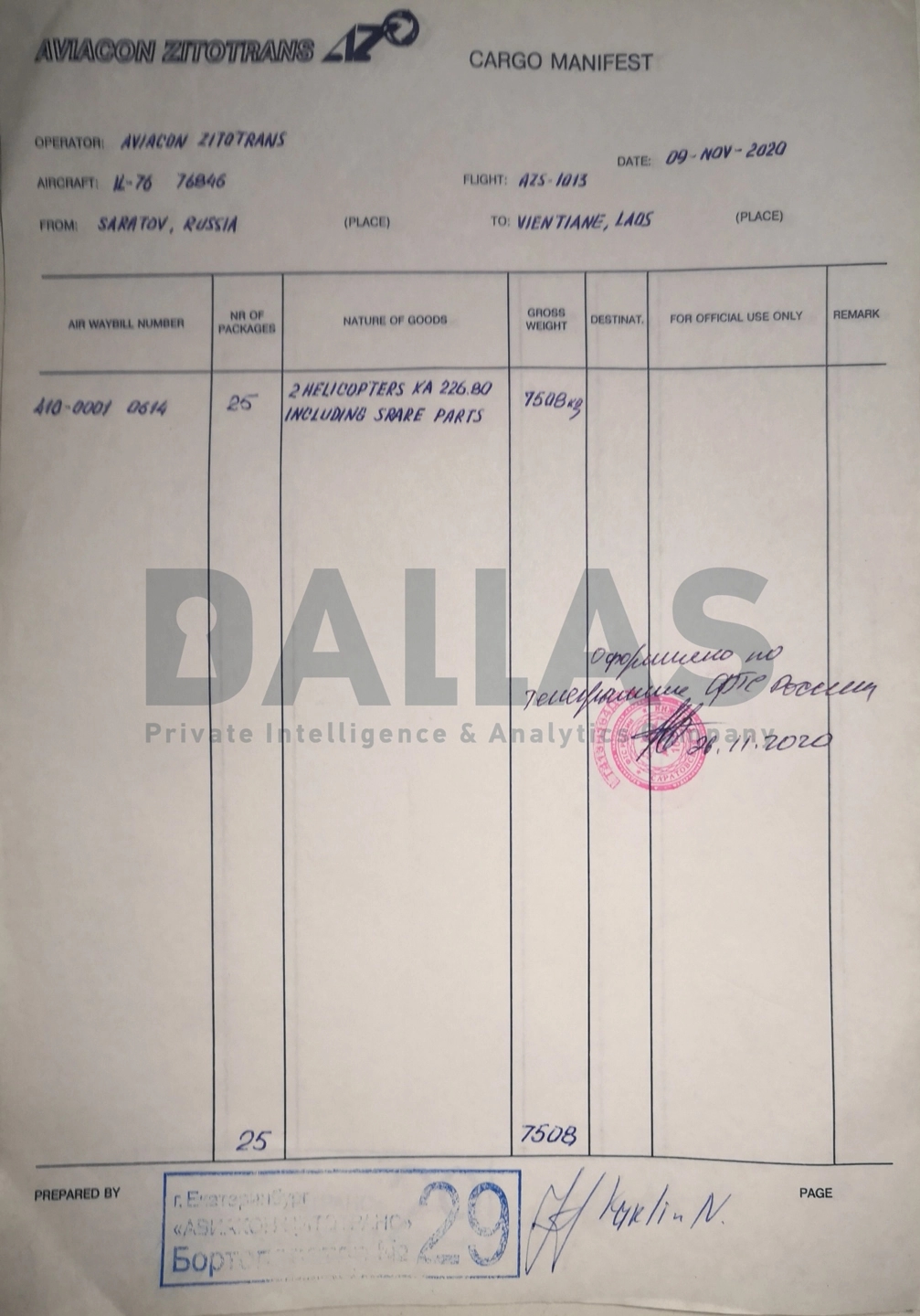
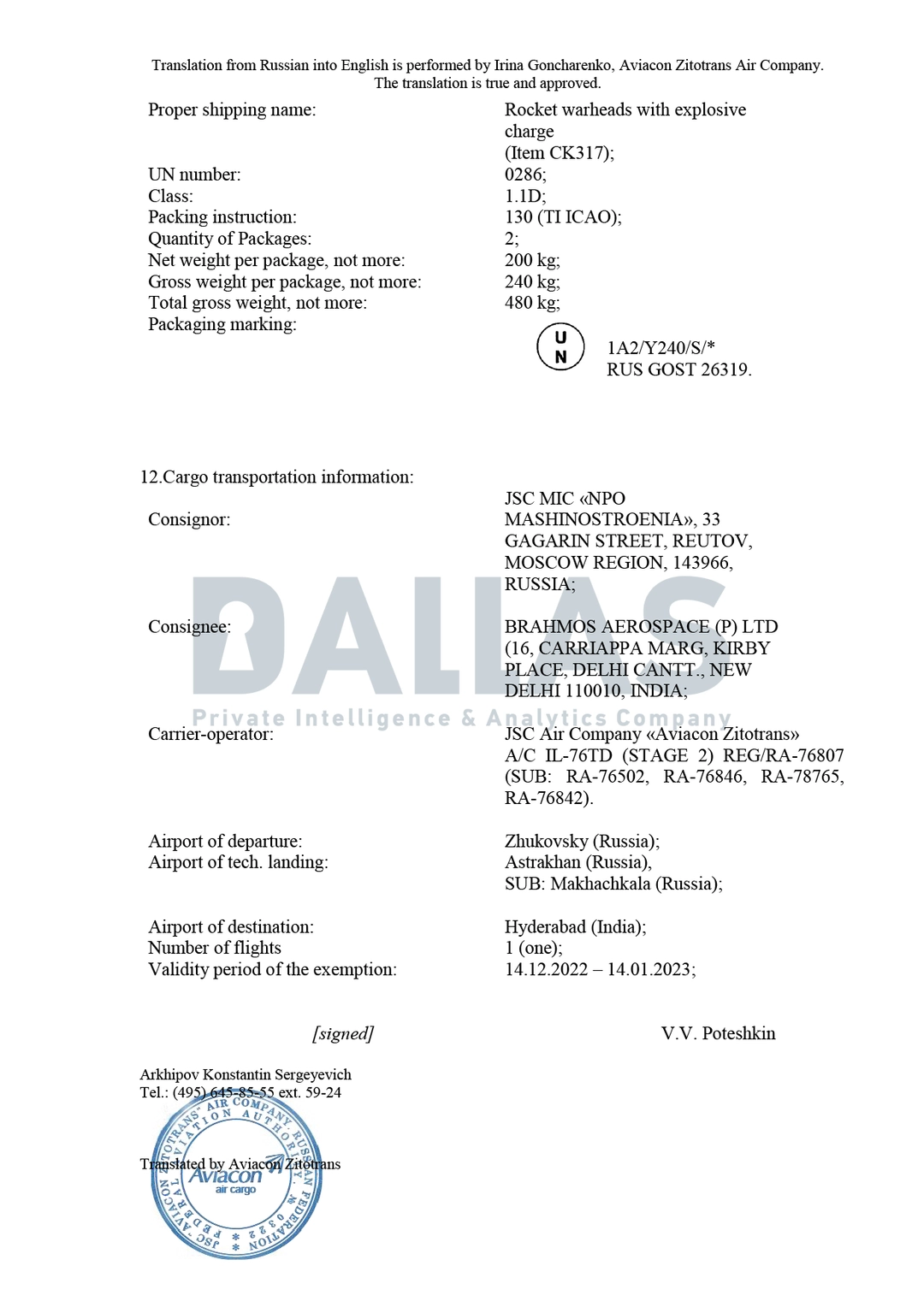
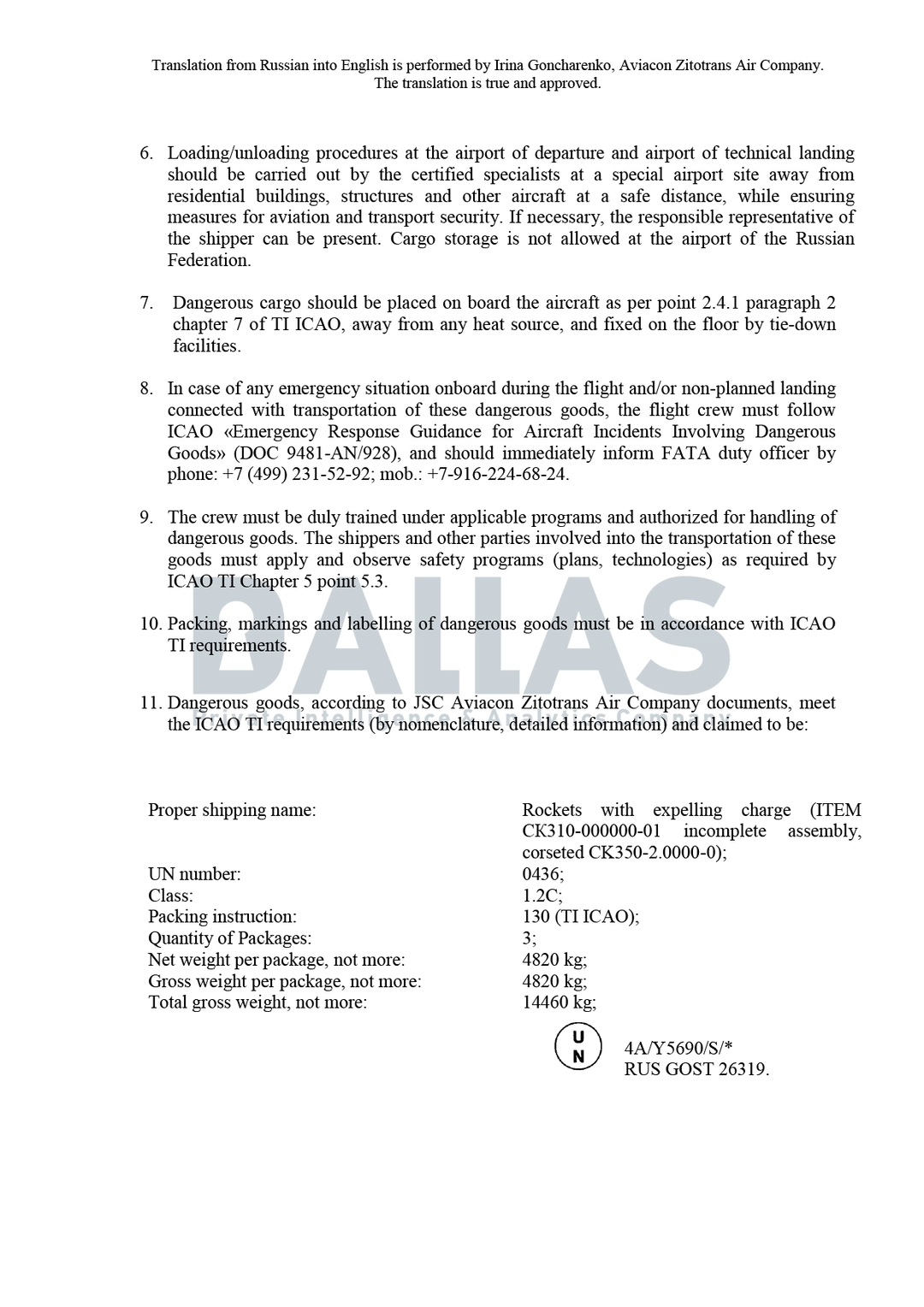
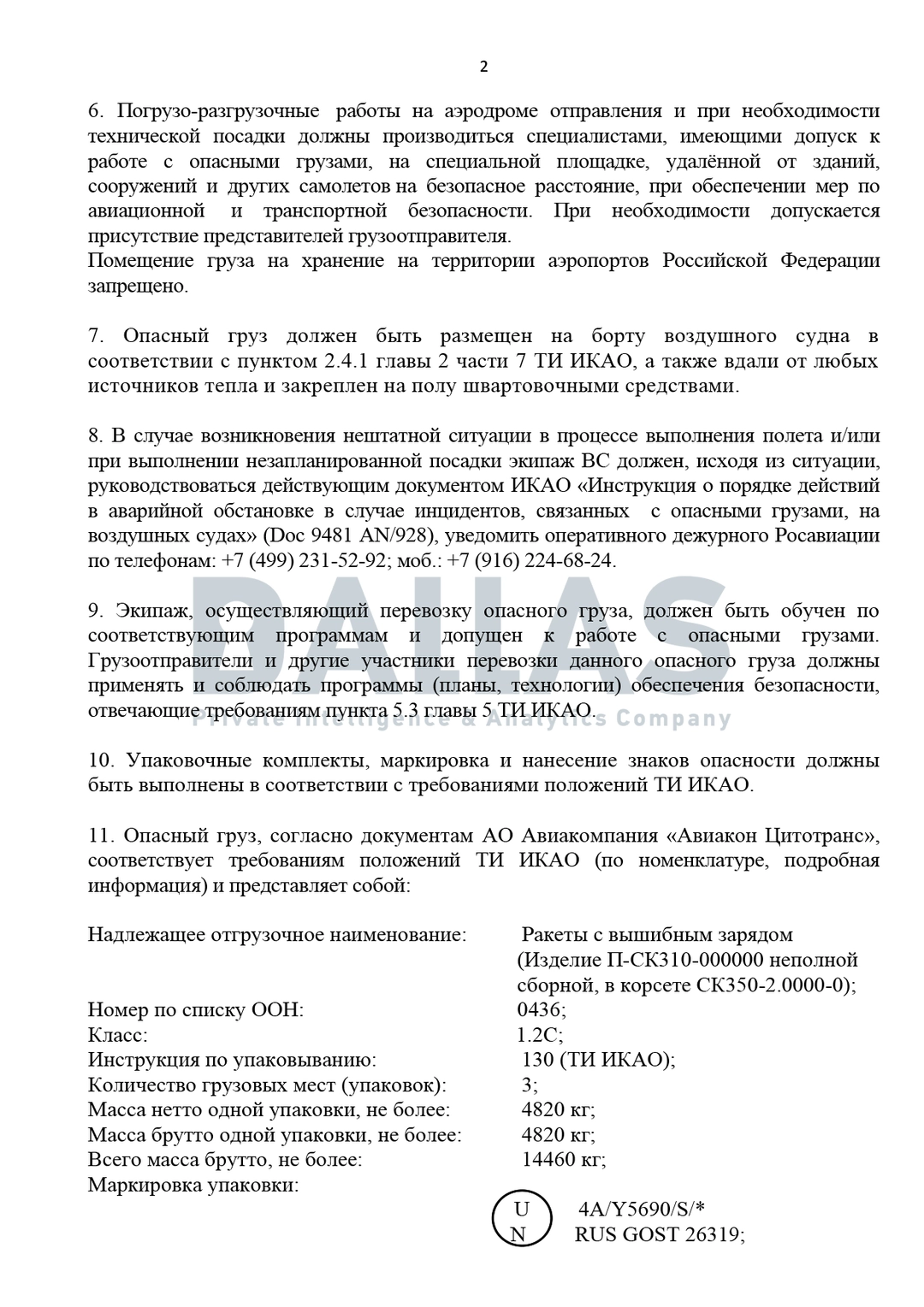
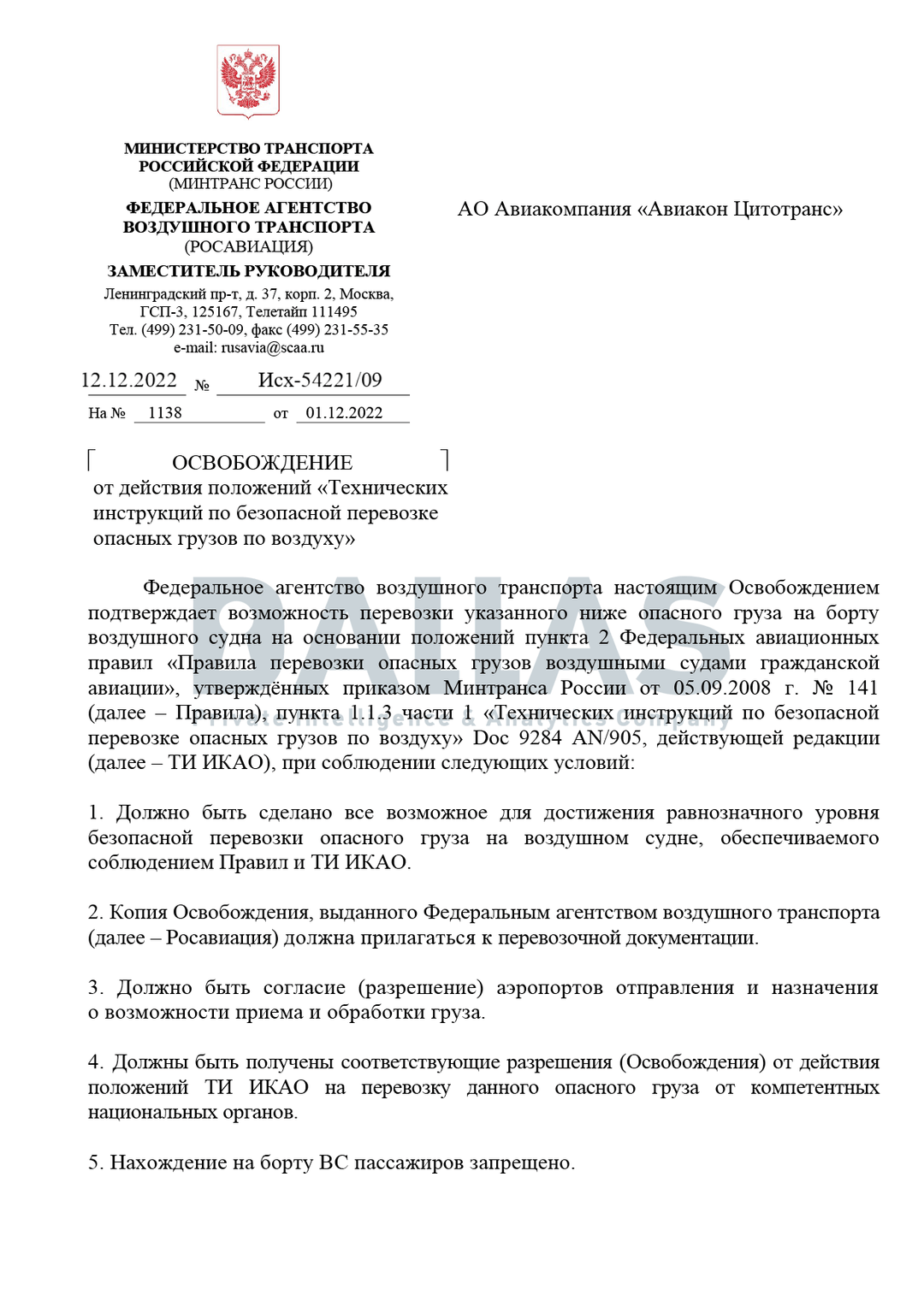
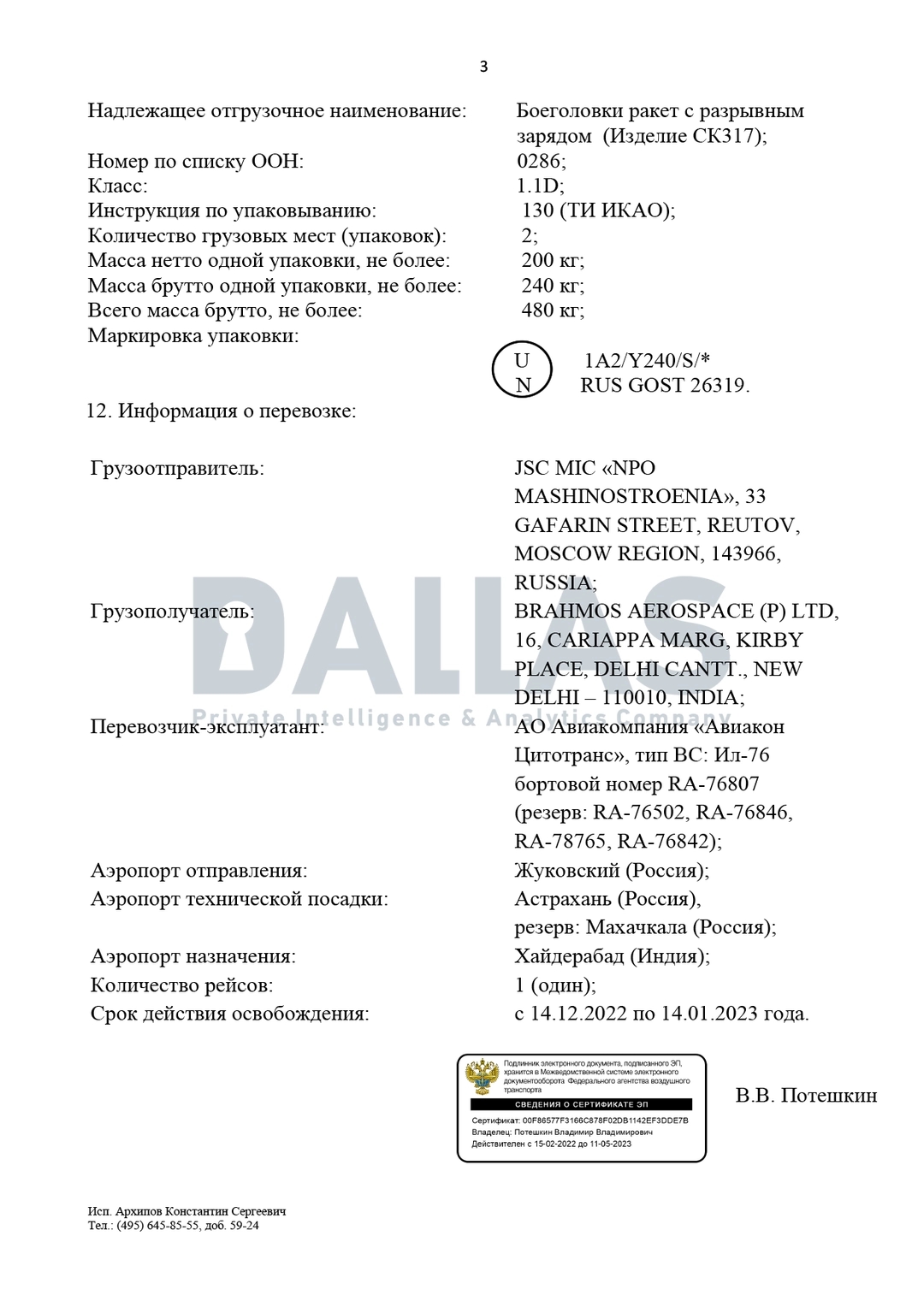
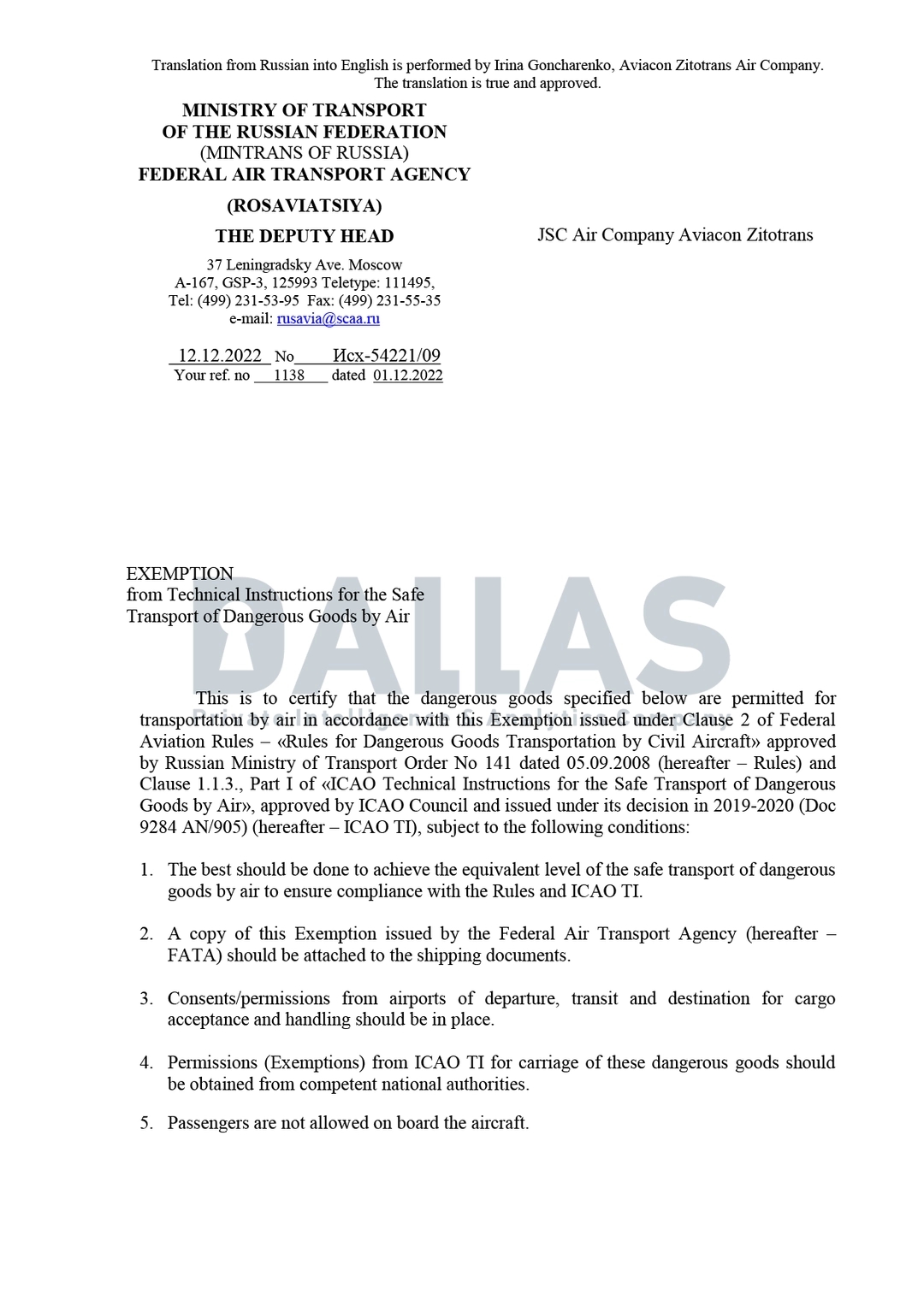
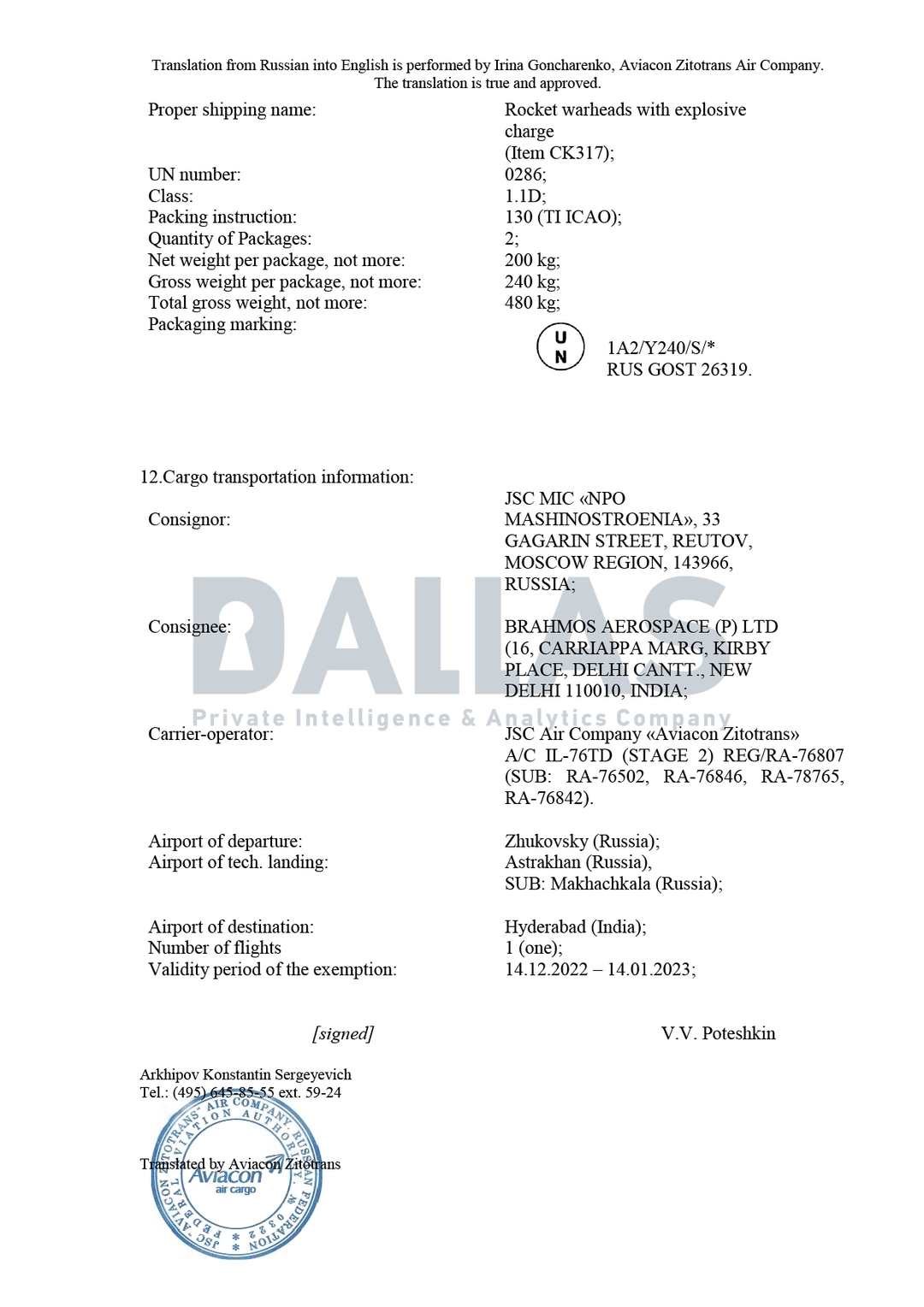
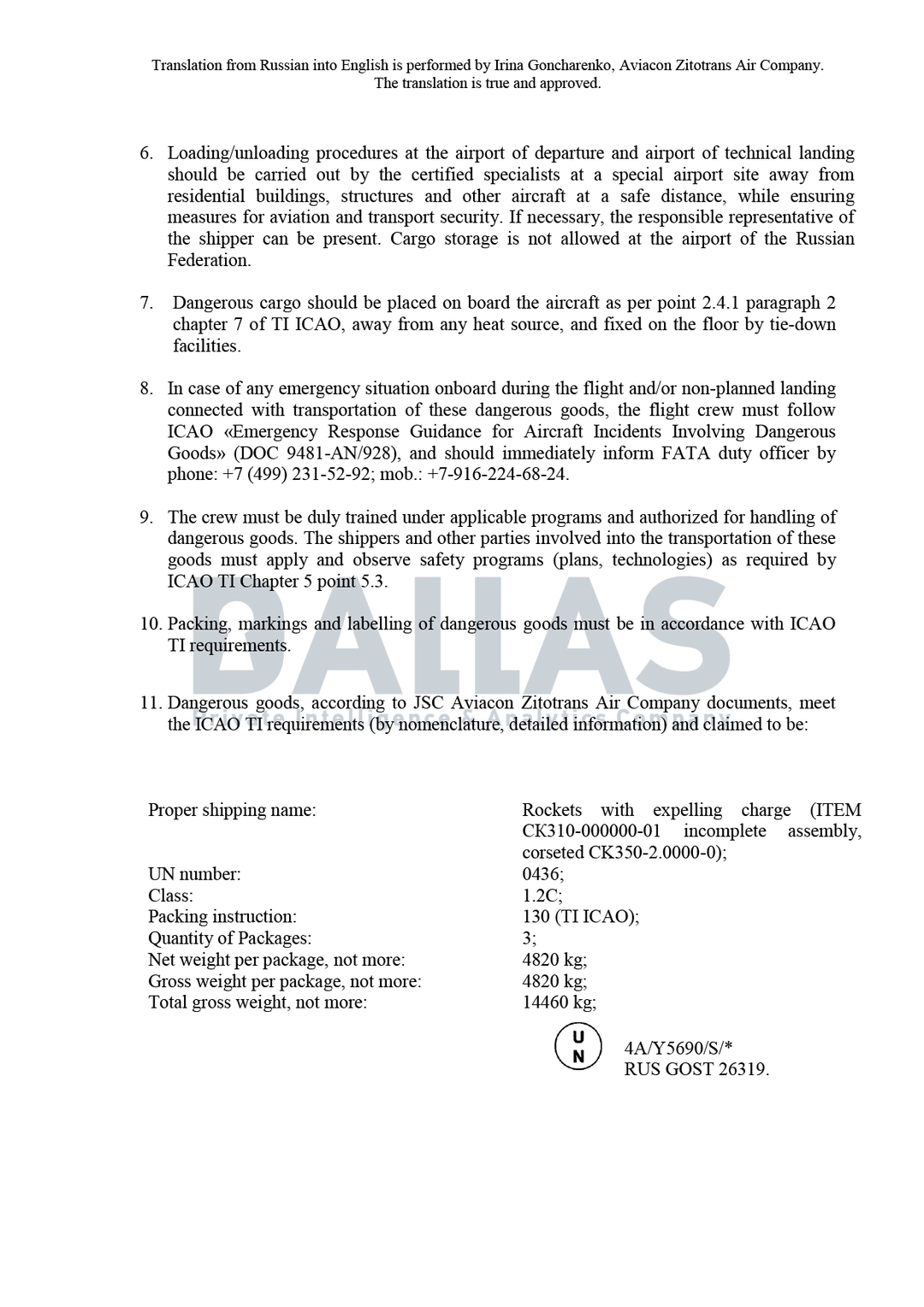
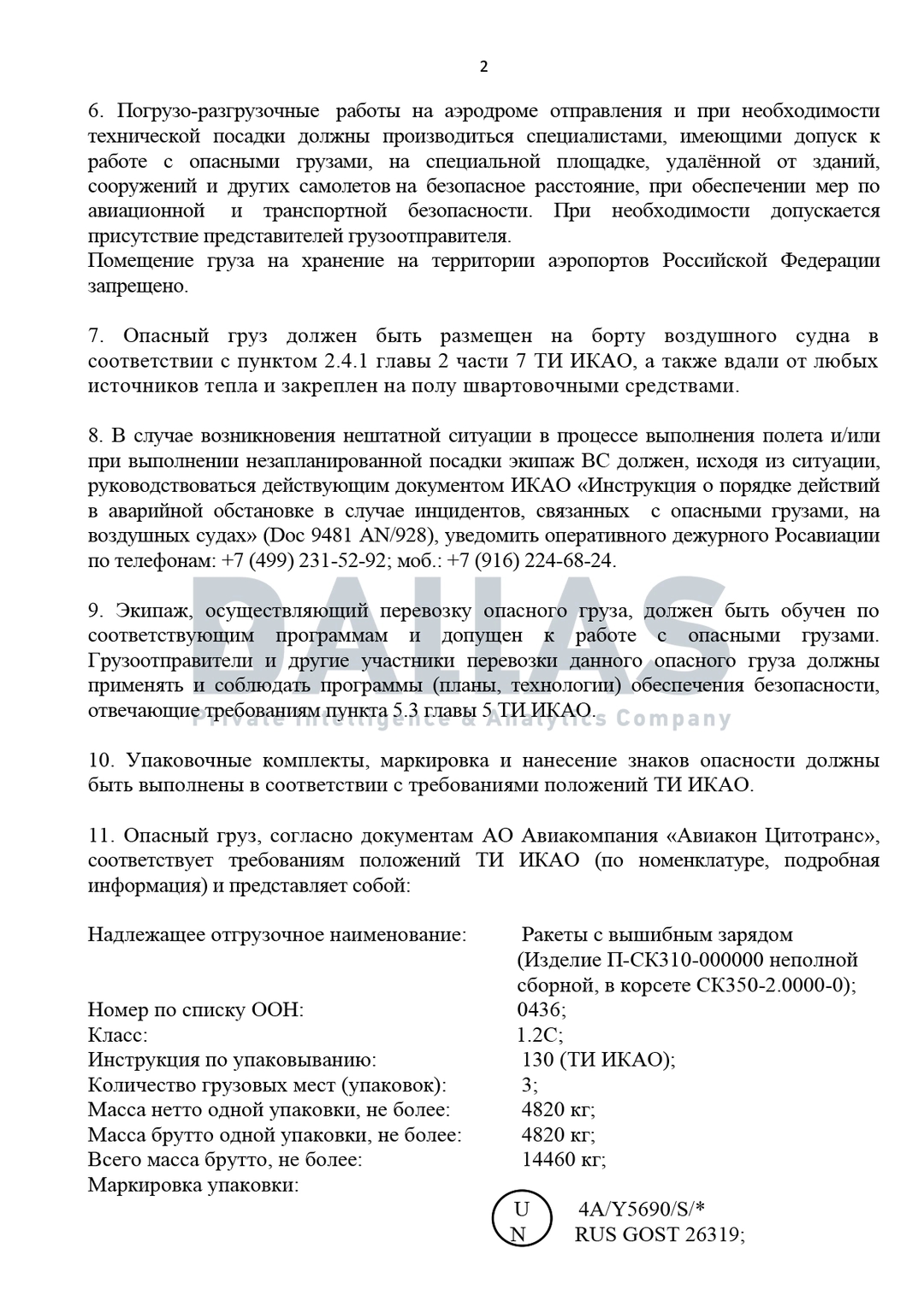
State squadrons are only part of a broader shadow logistics network, the investigators found. Dallas-Analytics published documents that it said proved the use of private civilian airlines for military purposes. In particular, Aviacon Zitotrans transported military helicopters to Laos in 2020, missile systems and warheads to India in 2022, and “dangerous goods” to Syria in 2023. The carrier also helped move military cargo from Russia to China on behalf of key Russian defense companies and delivered electronic equipment from Uganda for the Almaz-Antey concern.
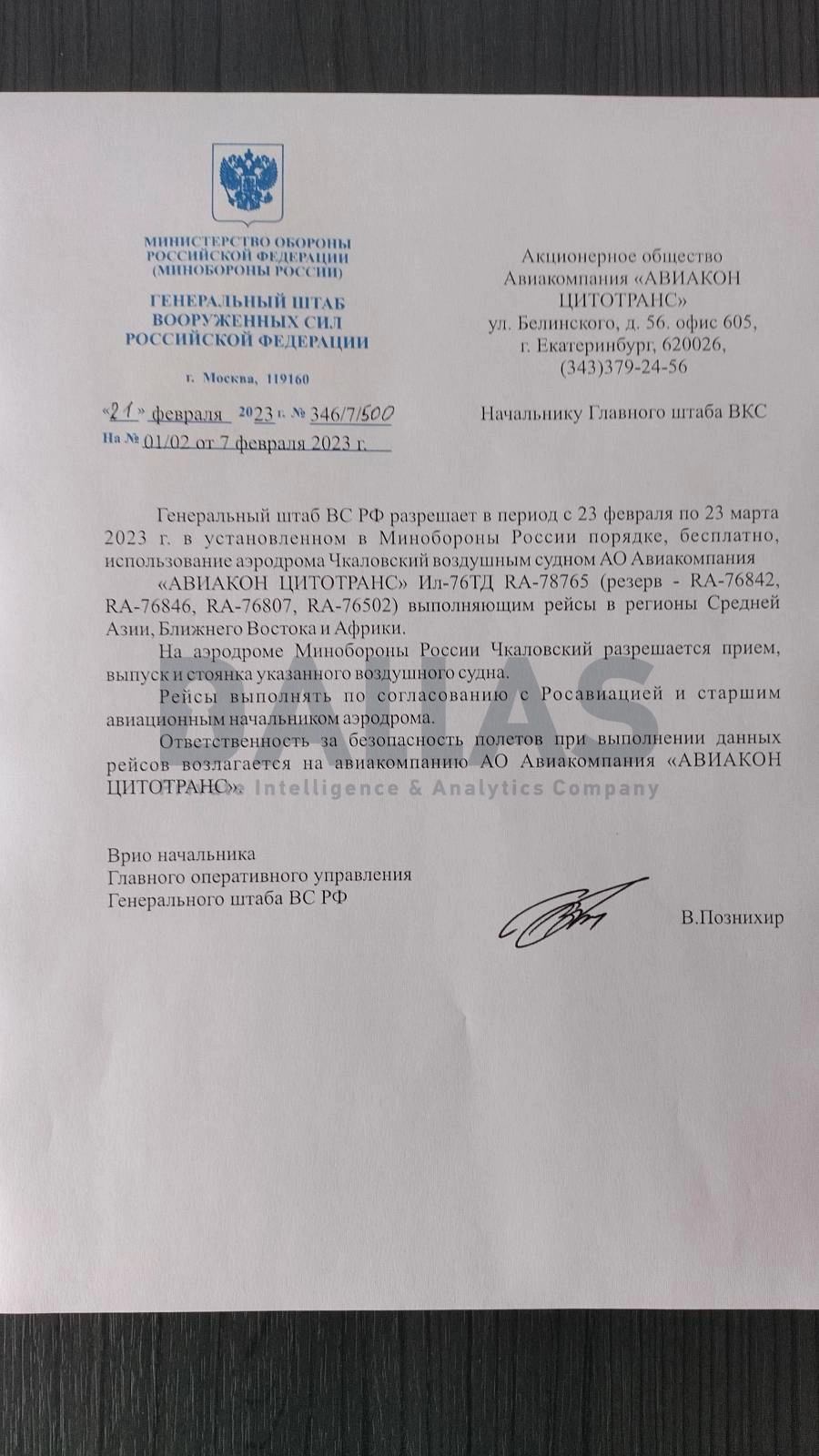
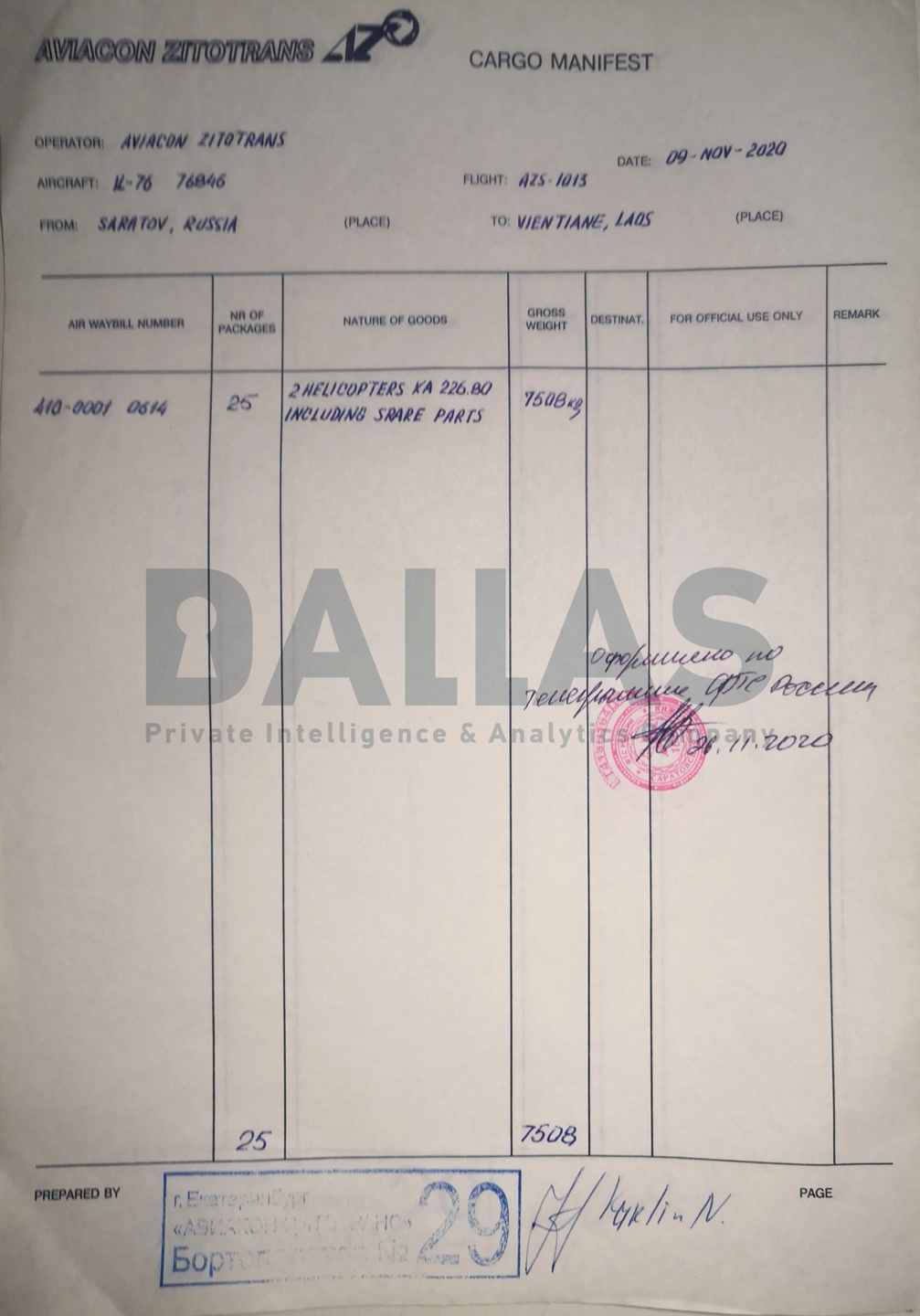
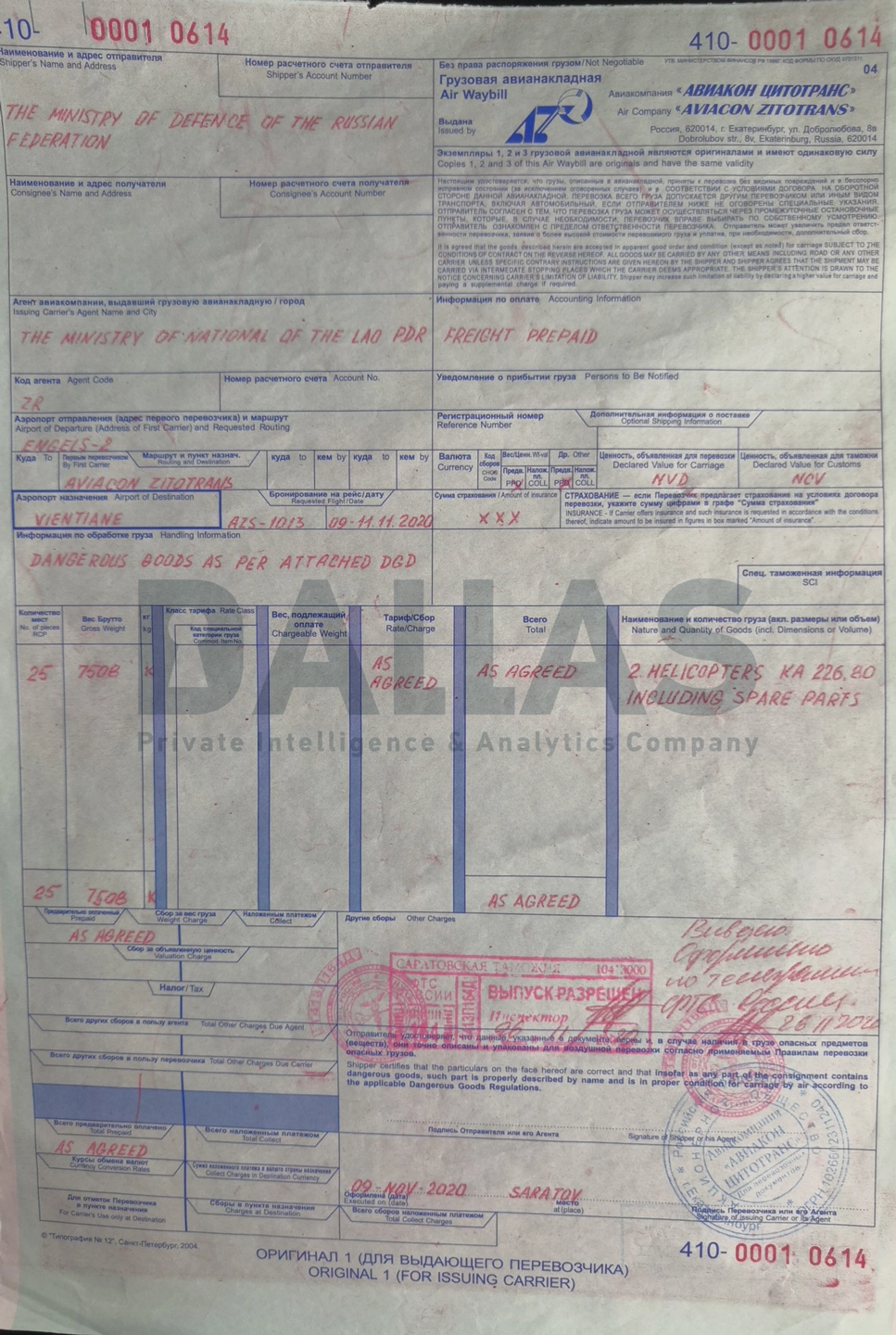
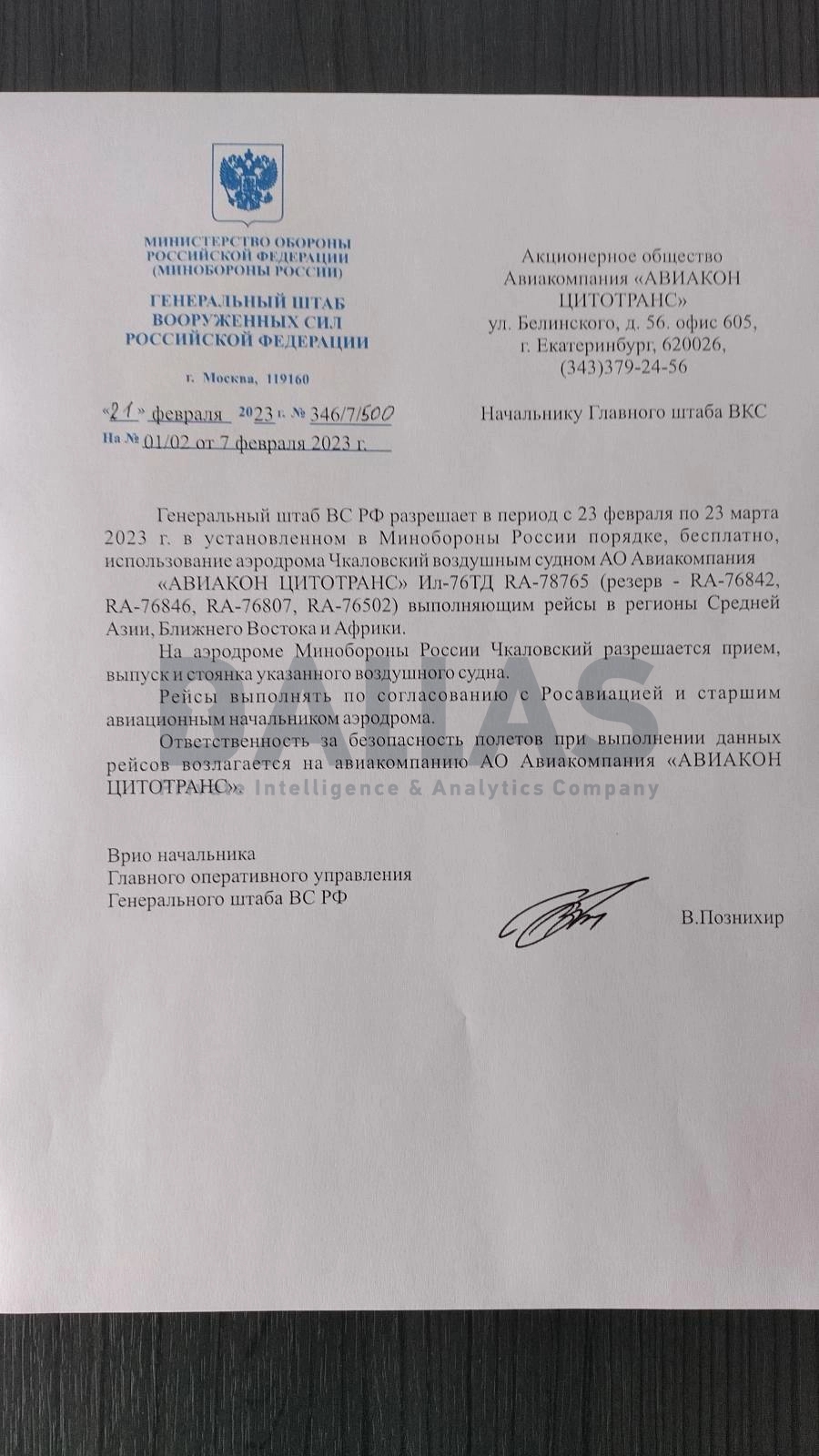
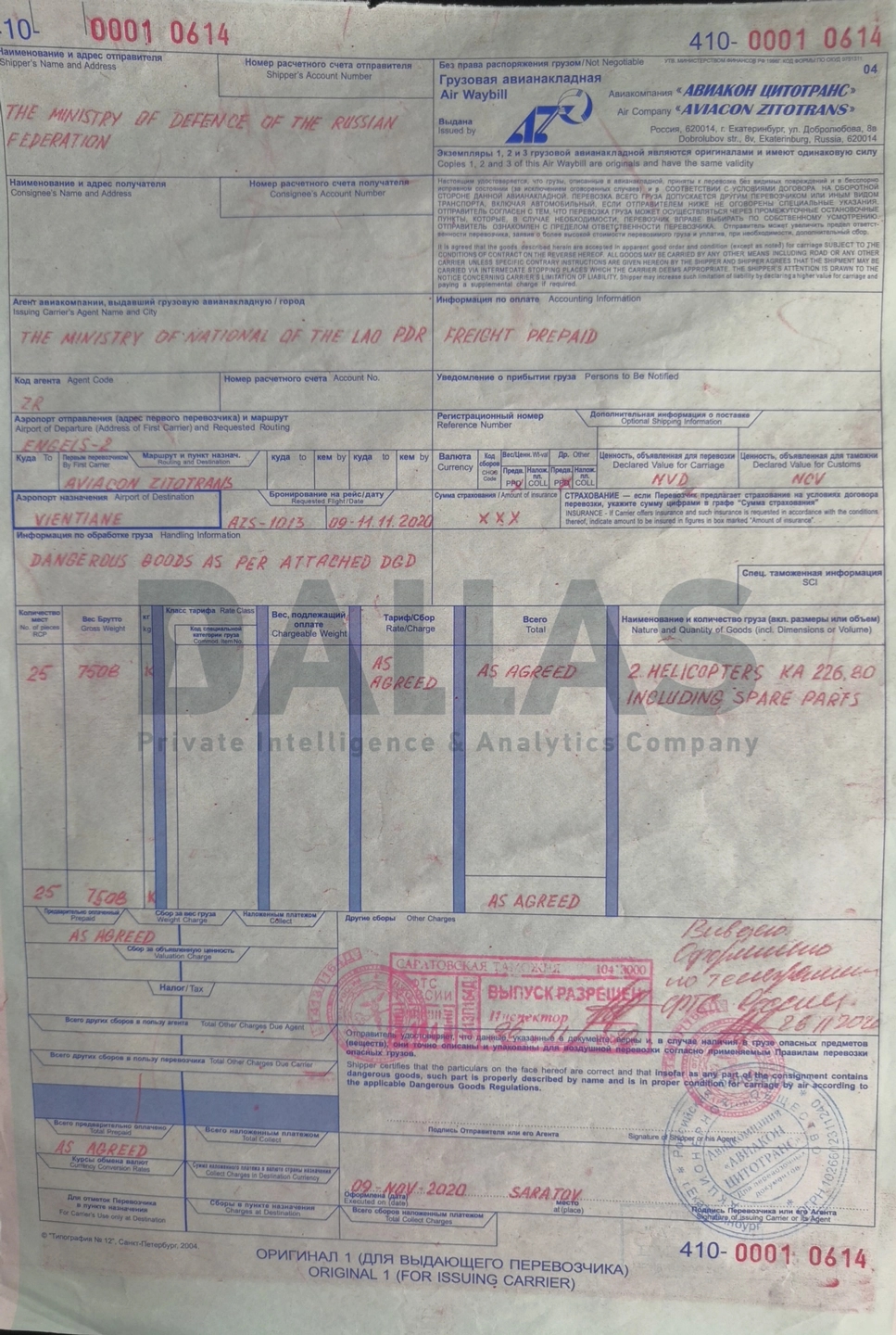
“What the extreme operational tempo of the war in Ukraine has done is massively accelerate this systemic integration. Beyond direct contracting for the military authorities, commercial air freight operators like Aviacon Zitotrans are now deeply embedded in the supply chains of heavily sanctioned state enterprises responsible for manufacturing critical military hardware and munitions,” Dallas-Analytics wrote.
The network of private airlines involved in military tasks also includes Abakan Air, Volga-Dnepr, and Gelix Airlines, among others. The Russian Defense Ministry also regularly charters aircraft from major civilian companies to rapidly move troops, the investigators said. Those include Ural Airlines, which transported military personnel to closed transit hubs in Rostov-on-Don and annexed Simferopol.
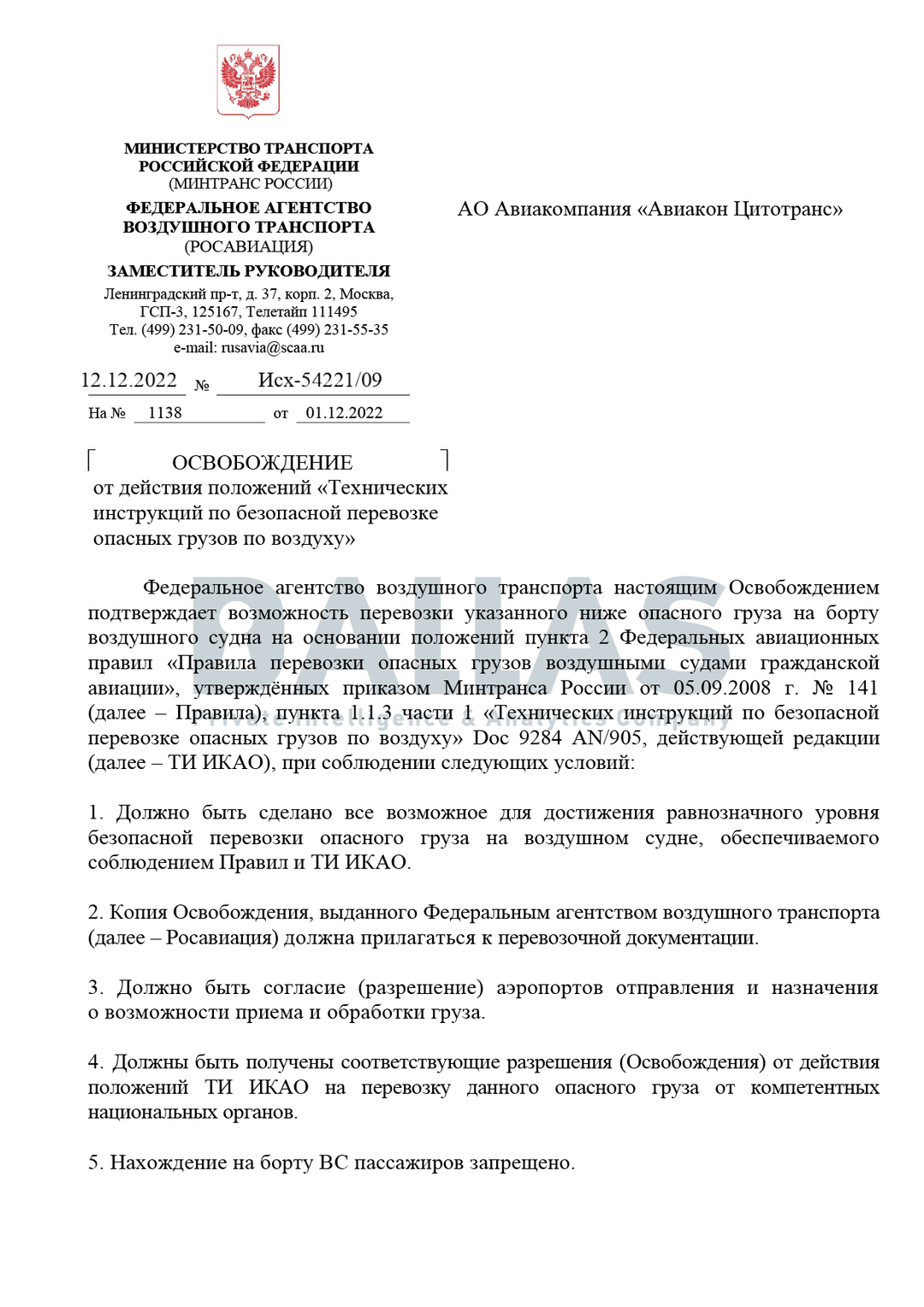
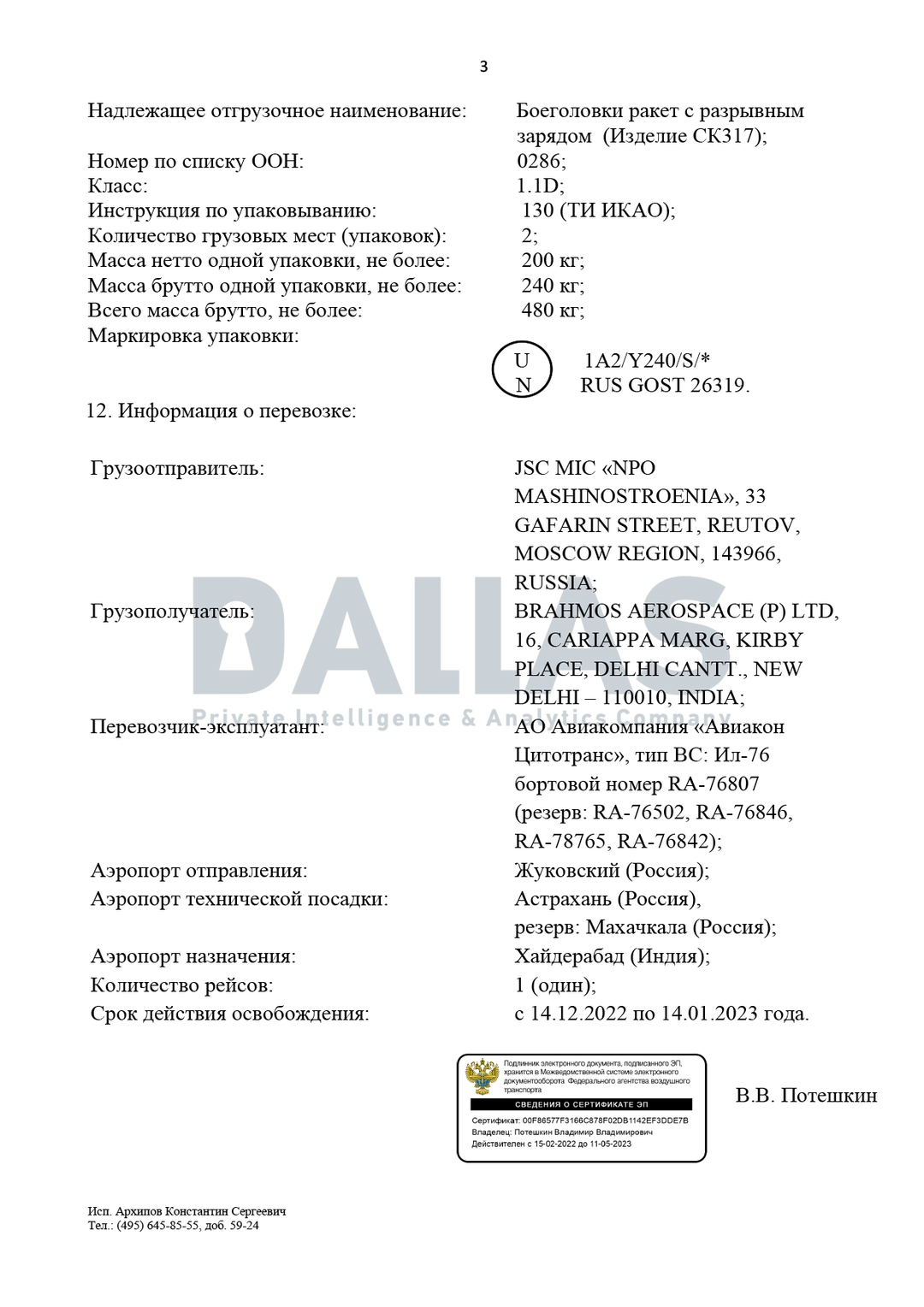
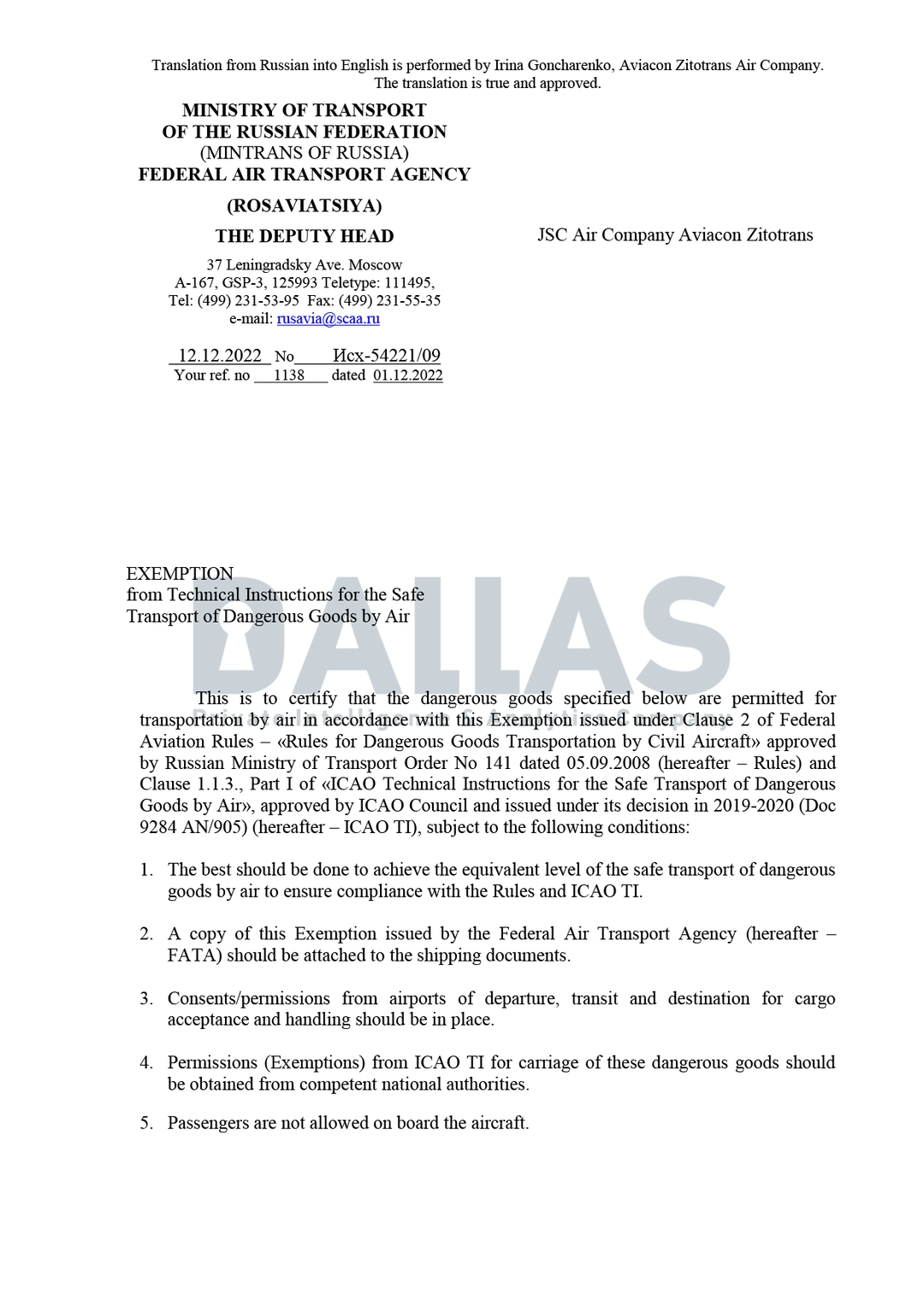
Civilian cargo aircraft used for Russian Defense Ministry transport are also often parked near military sites, air defense systems, or tactical aviation units. At facilities such as Koltsovo in Yekaterinburg, the line between an ordinary passenger airport and a military logistics zone is blurred. At such locations, civilian infrastructure is effectively used as cover for military transport, posing risks to ordinary passengers, crews, and ground staff, the article noted.
Dallas-Analytics reported that sanctioned Russian cargo aircraft still receive maintenance, fuel, and access to transit infrastructure in a number of countries that have not joined Western sanctions. That allows them to preserve routes and effectively continue operating in the interests of Russian military logistics.