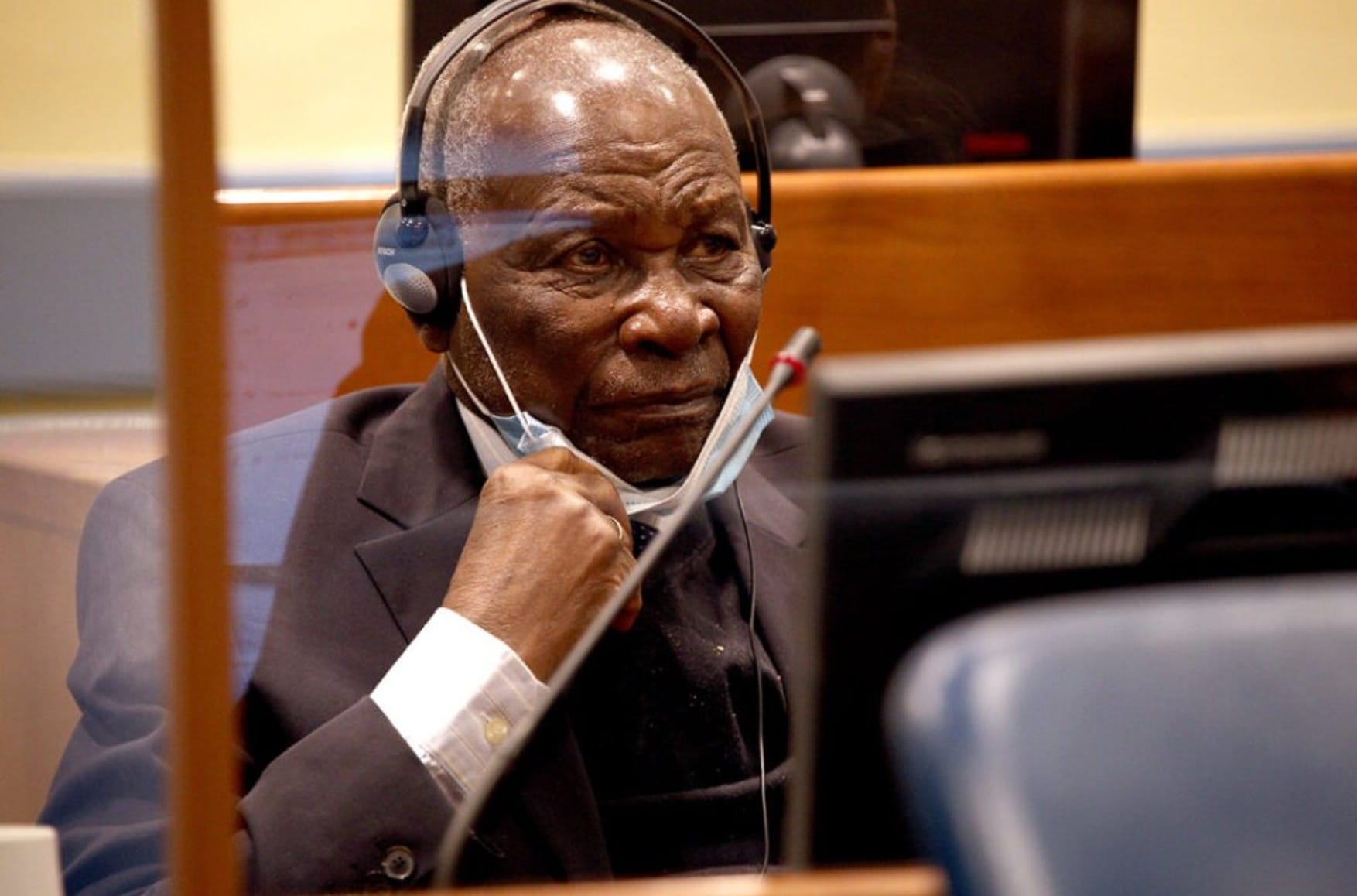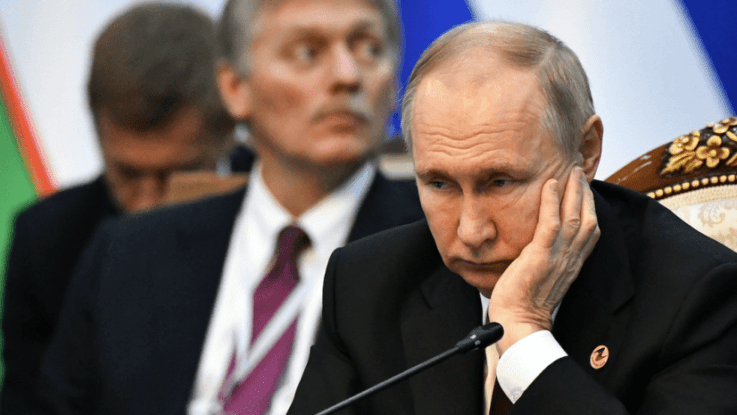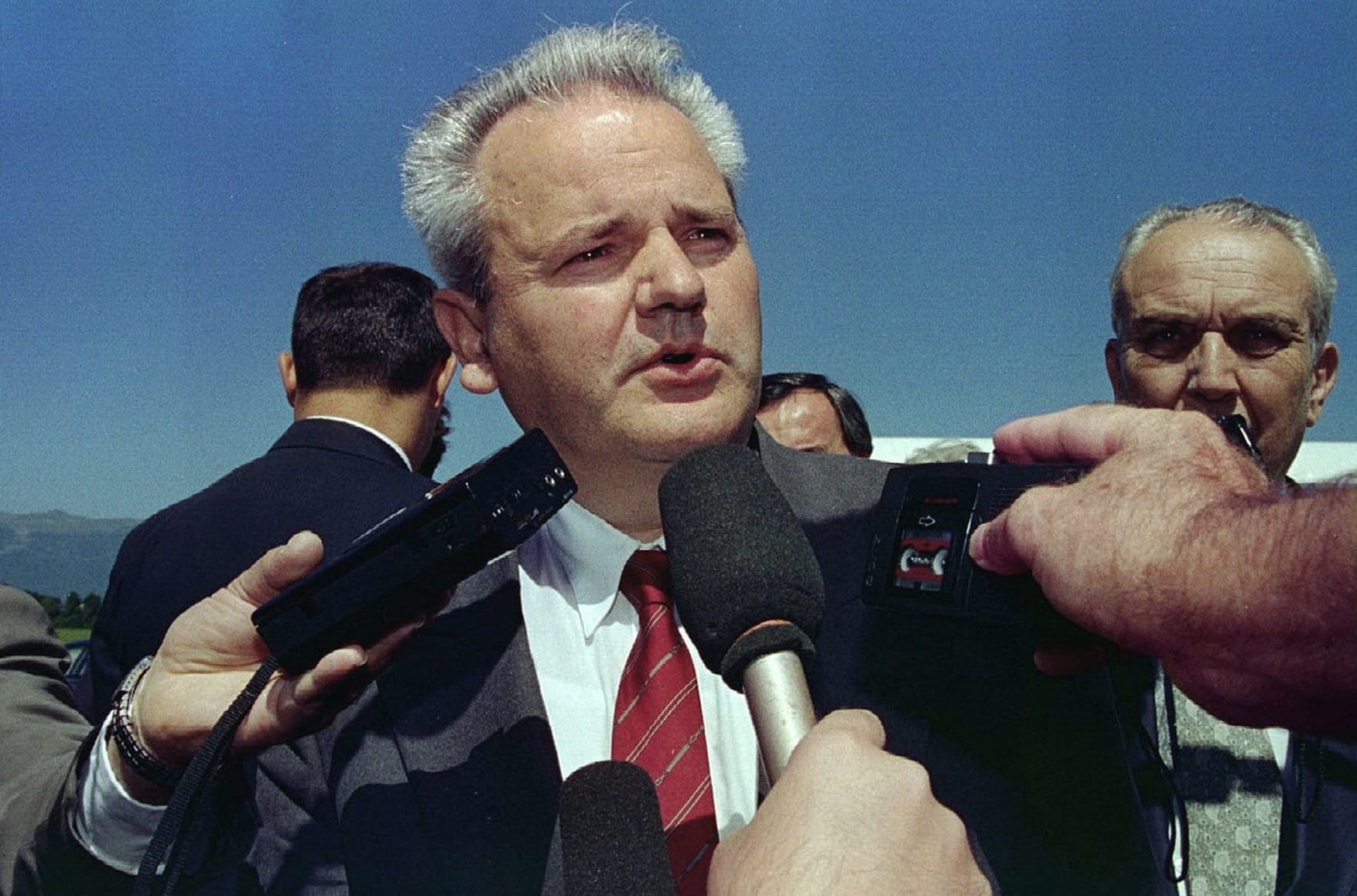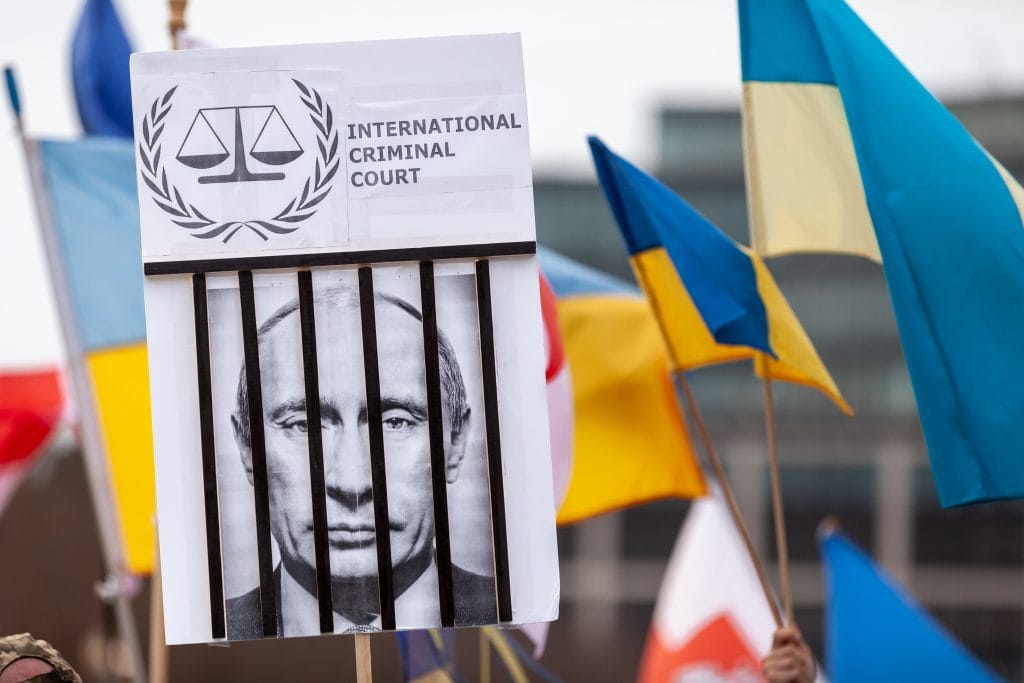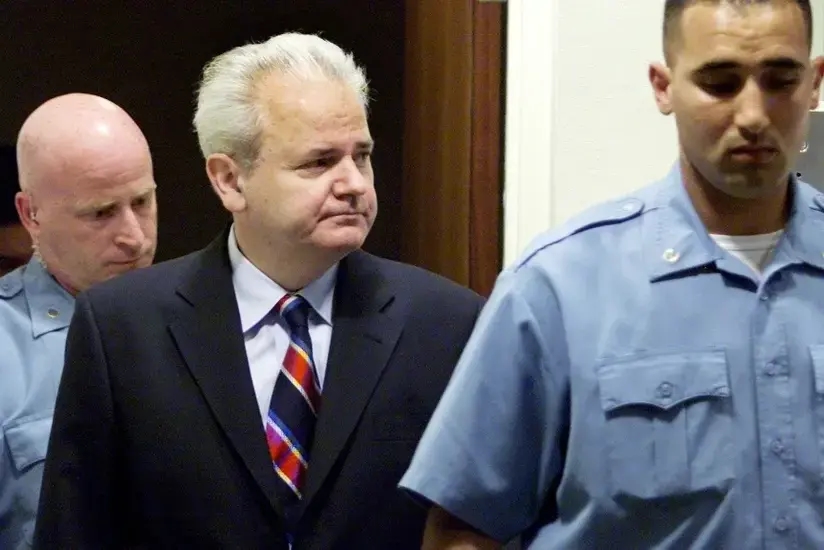
Former Yugoslav President Slobodan Milosevic was arrested just over 25 years ago, on April 1, 2001. Several months later, he was transferred to the international tribunal in The Hague. It was the first time a former head of state had been brought to trial before such a court. International justice has since seen other cases involving national leaders, including the International Criminal Court’s 2023 arrest warrant for Vladimir Putin and the transfer of former Philippine President Rodrigo Duterte to The Hague in 2025. But it was Milosevic’s arrest that set the precedent and reshaped the view of who could be prosecuted for crimes against humanity.
On June 28, Serbia marks Vidovdan (St. Vitus Day), a holiday linked to the Battle of Kosovo. It is not a celebration of military glory. In 1389, a united Serbian army was defeated by the Ottomans, and the Serbs’ leader, Prince Lazar Hrebeljanovic, was killed in battle.
According to legend, on the eve of the battle Lazar was visited by an angel who offered him a choice: an earthly kingdom, meaning victory over the Turks and the preservation of the country’s well-being during his lifetime, or a heavenly kingdom offering both him and the Serbian people an eternal place in the Orthodox faith. The prince is said to have answered: “The earthly kingdom lasts but a moment, the heavenly kingdom forever.”
In 2001, on Vidovdan, Serbia again faced a choice between the earthly and the heavenly kingdom. That evening, Prime Minister Zoran Djindjic unexpectedly appeared on television to deliver an address. Clearly agitated, he read a prepared statement:
“Dear citizens, exactly 12 years ago, on this very day, Slobodan Milosevic called on our people to embody what he called the ideals of heavenly Serbia. This led to 12 years of war, catastrophe, and the decline of our country. Today the government has undertaken to follow the ideals of earthly Serbia — not so much for us and our parents as for our children. Because in this way we are saving their future. I ask for your understanding of this difficult but, at this moment, the only correct decision.”
Half an hour earlier, Slobodan Milosevic, who had been arrested on April 1 and was serving his detention in a solitary cell, was taken out of Belgrade’s Central Prison and driven to the south of the capital. There, in the courtyard of the Police Academy, a helicopter carrying representatives of the International Tribunal was already waiting for the former Yugoslav president. Milosevic was met by the tribunal’s chief investigator, British officer Kevin Curtis, who informed him of his arrest. The helicopter carrying the former president then flew to a NATO base in Bosnia. From there, at about 10 p.m., Milosevic was escorted to Eindhoven in the Netherlands and then transferred to The Hague. It was the first time a former head of state had appeared before an international tribunal of that level.
On the road to heavenly Serbia
By the summer of 1989, Slobodan Milosevic had risen from an unremarkable party functionary to become the Serbian national leader. The turning point came in April 1987, when he traveled to Kosovo Polje on orders from the political leadership to hear complaints from local Serbs about conditions in Kosovo and Metohija.
During the meeting, clashes broke out between the crowd and the police, whose ranks were dominated by Albanians. It was then that Milosevic stepped out before the crowd and uttered the phrase that made him famous: “No one has the right to beat you.” Serbian television broadcast the episode that same day, and Milosevic returned to Belgrade a national hero.
In the years that followed, he launched a campaign to strengthen Serbia’s role inside Yugoslavia, pushing more moderate rivals out of the country’s political scene.
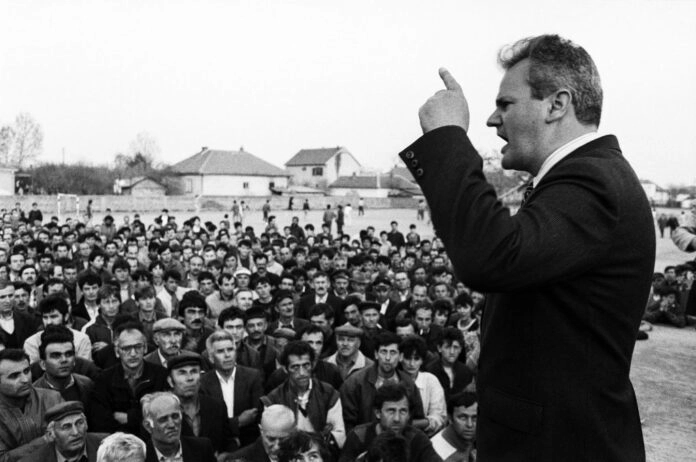
In 1989, the celebration of the 600th anniversary of the Battle of Kosovo became the perfect moment for Milosevic to link his own political trajectory to one of the central myths of Serbian history. The commemorations were organized on a vast scale and lasted several days. They included ceremonies in Belgrade, Krusevac, and Gracanica, along with religious services, mass cultural events, and continuous television coverage.
It was not merely a holiday, but a major state campaign in which history, religion, and politics were fused into a single narrative. The festivities attracted hundreds of thousands of participants, and the anniversary itself became a demonstration of mass support for the new Serbia.
The celebrations reached their climax on June 28 at Gazimestan, the memorial to the 1389 battle on the Kosovo field, where Milosevic again addressed a huge crowd (estimates have put it as high as one million people). In his speech, he linked the events of the 14th century to modern politics and proclaimed the restoration of Serbia’s “state, national, and spiritual integrity.” The most famous line was his declaration that, six centuries after its defeat at the hands of the Ottomans, the country was once again “in battles and facing battles.”
Serbia was once again “in battles and facing battles,” Milosevic stated in 1989, shortly before the deadly Yugoslav Wars
The speech at Gazimestan did not sound like a routine holiday address, but a political statement of national significance. It was later seen as one of the symbolic turning points marking the beginning of Yugoslavia’s bloody breakup.
In Serbia itself, the speech cemented Milosevic’s image as a leader. But in Yugoslavia’s other republics, above all Slovenia and Croatia, it raised serious alarm. It was seen as a signal that the Serbian leadership was moving away from party compromise and toward the language of force, mobilization, and national pride. The other Yugoslav republics stopped seeing Serbia as an equal partner and began striving for statehood of their own.
Blood, soil, and war crimes
On June 25, 1991, Slovenia and Croatia declared their independence. Just two days later, fighting broke out between Slovenian territorial defense forces and the Yugoslav People’s Army. The clashes lasted only 10 days, but they signaled the transition of the crisis into a military phase. After that, the scale of violence only grew, culminating in ethnic cleansing, the blockade of cities, mass killings, and the deportation of civilians.
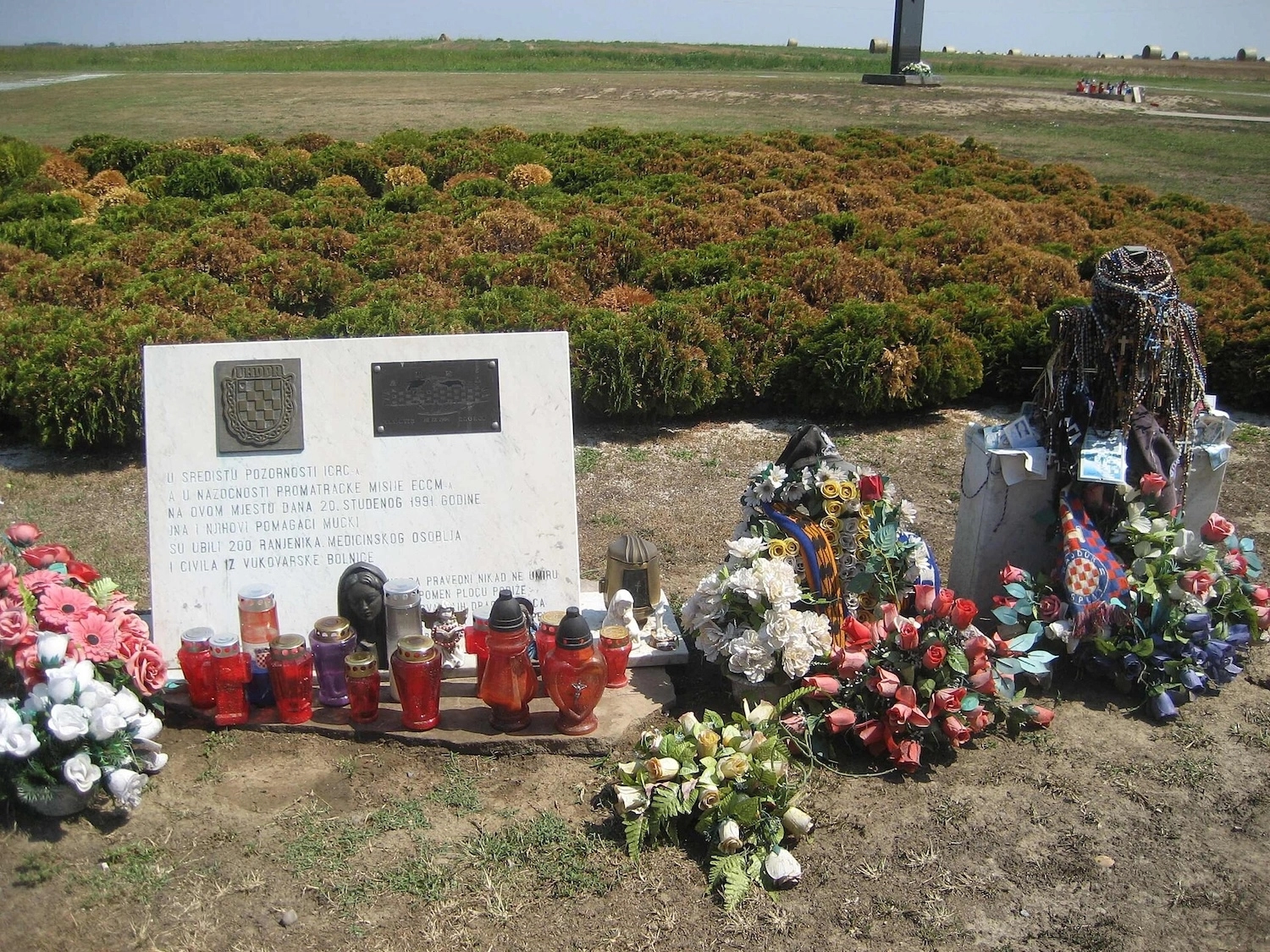
In Croatia, the war dragged on until 1995, taking on an especially brutal character. Its symbol became the fall of the city of Vukovar, which Serbian armed formations captured after an 87-day siege. About 300 Croatian prisoners, including civilians, were taken to the nearby Ovčara farm and executed.
Another emblematic episode was the shelling of Dubrovnik by the Yugoslav People’s Army. Not only the Serbian side committed crimes, however. In 1995, during Operation Storm, Croatian forces also killed civilians and forced hundreds of thousands of Serbs to flee their homes.
The war in Bosnia from 1992 to 1995 became the bloodiest of all the clashes that broke out in Yugoslavia during its decade of dissolution, and its worst episodes were primarily linked to the forces of the Bosnian Serbs, the Army of Republika Srpska. They bore the main responsibility for the yearslong siege of Sarajevo, which saw the city systematically shelled and terrorized with sniper fire, and for the genocide in Srebrenica in July 1995, when more than 7,000 Bosnian Muslim men and boys were killed. Still, crimes were also committed by other sides, including the Bosnian Croat forces and government troops.
In Kosovo, full-scale war came in 1998-1999. The most notorious crimes there were committed by the Serbian army and police acting against Kosovo Albanians. The atrocities included mass killings in Račak, Suva Reka, and Meja, as well as the expulsion of the Albanian population from Kosovo in the spring of 1999. Efforts were made to conceal the brutality: the bodies of those killed were taken to Serbia and secretly buried in mass graves, including one in Batajnica near Belgrade. Fighters of the Kosovo Liberation Army were also accused of committing crimes against Serbs, the Roma population, and domestic political opponents. But the central episode of that war was the campaign of violence carried out by Serbian forces.
The bodies of those killed in Kosovo were taken to Serbia and secretly buried in mass graves
Outside the Balkans, the Yugoslav wars inspired growing horror. For the first time since World War II, Europe was seeing ethnic cleansing, urban sieges, and battles involving thousands of soldiers. Images of mass graves, emaciated prisoners, and murdered civilians spread around the world.
At first, the international community reacted slowly. The United Nations imposed sanctions, declared an arms embargo on Yugoslavia, and sent peacekeepers into the conflict zones. But as the scale of violence against civilians grew, the need to put war criminals on trial became increasingly obvious.
Convening the tribunal
The International Criminal Tribunal for the former Yugoslavia was created on May 25, 1993, by U.N. Security Council Resolution 827. Notably, the session was chaired by Russian representative Yury Vorontsov, who said that “the international community, in the form of the tribunal, will pass judgment on those who grossly trample not only legal norms, but basic human notions of morality and humanity.”
The Security Council adopted the resolution unanimously, and the tribunal was given authority to prosecute individuals responsible for grave breaches of the Geneva Conventions, violations of the laws or customs of war, genocide, and crimes against humanity committed on the territory of the former Yugoslavia after Jan. 1, 1991. The tribunal could issue indictments, demand the arrest and transfer of suspects, and summon witnesses.
From 1993 to 1998, the tribunal mainly focused on electing judges, creating a prosecutor’s office, and establishing procedural rules. Then the investigations began collecting evidence of crimes committed in Croatia and Bosnia and drawing up lists of suspects.
From 1993 to 1998, the tribunal mainly focused on establishing procedural rules
The turning point came during the war in Kosovo, when on May 22, 1999, Chief Prosecutor Louise Arbour presented an indictment against Slobodan Milosevic and four other senior Yugoslav and Serbian officials. They were charged with crimes against humanity including murder, unjust deportation, and persecution on political, racial, and religious grounds. A few months later, Swiss attorney general Carla Del Ponte took over as chief prosecutor. Under her leadership, the Croatian and Bosnian chapters of the Yugoslav wars were added to the case.
Milosevic: the end of the regime
Despite its U.N. mandate, the tribunal had no enforcement officers of its own to arrest those it indicted. Formally, states were obliged to cooperate with the court, but in practice everything depended on political will: if authorities did not care to hand over suspects or provide access to evidence, all the tribunal could do was complain to the Security Council and seek outside sanctions.
Del Ponte later recalled that she had to spend enormous amounts of time organizing just that sort of pressure on Serbia and Croatia. Some Western diplomats were inclined to downplay the issue of war crimes as part of an effort to stabilize the region by bringing the Balkans back into the international system as quickly as possible. Del Ponte had to keep reminding them: without the tribunal, a full settlement of the conflict was impossible.
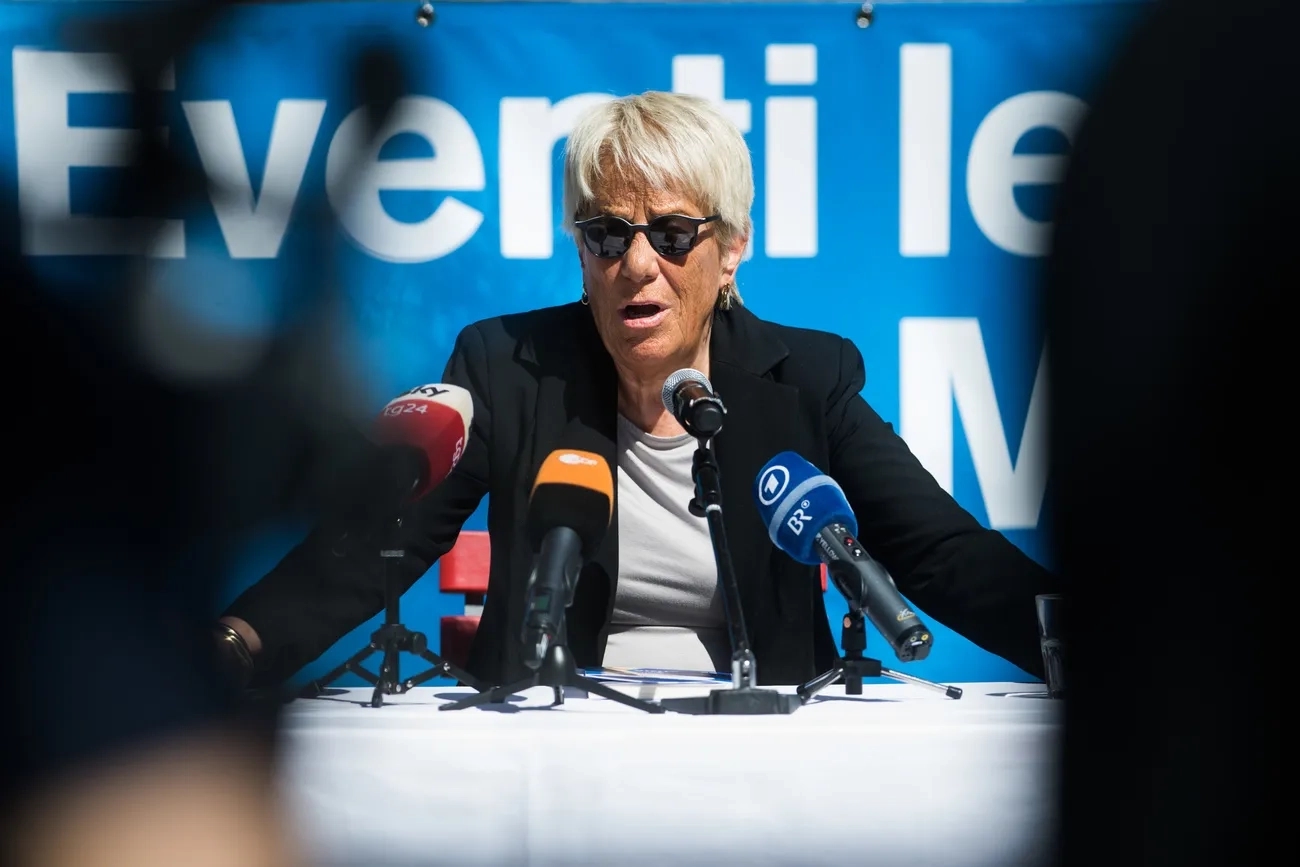
In addition to talks with her European and American partners, Del Ponte also tried to open up a dialogue with the Yugoslav authorities. In April 2000, she sent a request for cooperation to Justice Minister Petar Jojić.
The reply made an impression right from its opening line: “To the bitch Del Ponte, the self-proclaimed prosecutor, at the criminal Hague tribunal.” Jojić’s missive continued on in that vein, refusing to cooperate and rejecting the court’s legitimacy. But Milosevic’s regime did not have long left.
The Yugoslav Justice Minister opened his reply to the letter from the International Criminal Tribunal with “To the bitch Del Ponte, the self-proclaimed prosecutor, at the criminal Hague tribunal”
Slobodan Milosevic lost power after his defeat in the presidential election of September 2000 and the resulting mass protests of Oct. 5-6, when demonstrators seized the parliament building and the state television center. But his removal from office did not mean he would immediately be handed over to the tribunal.
Serbia was going through extremely difficult times following a decade of wars, sanctions, and international isolation. Despite the change in power, when Carla Del Ponte arrived in Belgrade in January 2001, she received a cold welcome. “I am driving from Belgrade airport into the city center. A huge billboard greets me with the words ‘Carla is a whore (puttana)’ …We drive another kilometer and see another one, then another,” she wrote in her memoirs.
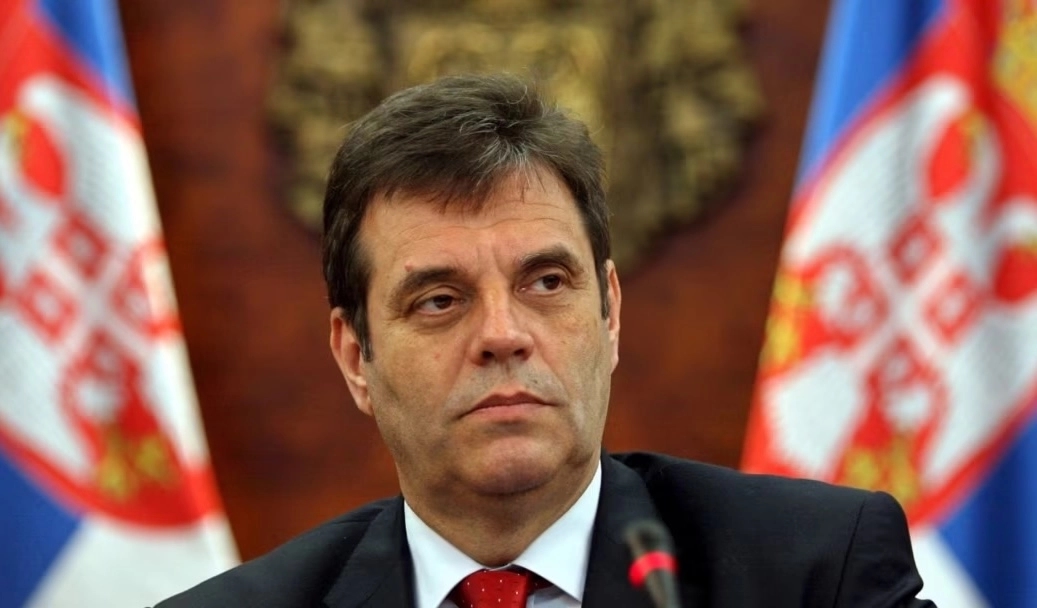
New president Vojislav Kostunica believed Milosevic should be tried inside the country. However, Prime Minister Zoran Djindjic, the pro-Western leader of the opposition, saw cooperation with The Hague as a necessary condition for ending Serbia’s isolation and obtaining outside support.
By the spring of 2001, the United States had also issued an ultimatum over Milosevic’s surrender, tying financial aid to Yugoslavia to the issue. Belgrade was told it had to demonstrate real cooperation with the Hague tribunal by the end of March: adopt a law on cooperation, detain Milosevic, hand over at least one indicted person, and open access to archives.
Against that backdrop, Del Ponte and Djindjic held a secret meeting in Italy in early March. Djindjic said openly that Milosevic, while remaining head of the Socialist Party of Serbia, was trying to return to politics, and that the new authorities urgently needed American support and the arrival of promised economic aid by the end of the month.
In Belgrade, it was almost impossible to quickly adopt a law on cooperation with the tribunal. The new government still did not fully control the security structures, where many officers remained loyal to Milosevic, and it did not want the arrest to look like direct compliance with U.S. demands. So a workaround was developed: first detain the former president on domestic charges — corruption, abuse of office, and other crimes — and only then decide the issue of transferring him to The Hague.
The arrest
Milosevic’s arrest took nearly two full days and turned into an open drama that the whole world watched live. At about 6 p.m. Belgrade time on March 30, a warrant was issued on charges of financial fraud. The operation was supposed to be quick and quiet, but information about it leaked. By 8 p.m., supporters of the former leader had already begun gathering at his residence in the capital’s Dedinje district.
The situation was complicated by the position of the army. Military leaders, headed by Gen. Nebojsa Pavkovic, quietly supported Milosevic, and the troops guarding the area effectively acted in the former leader’s interests: they had not allowed police to replace his security detail, and on the night of the operation they returned the keys to the residence gates to his bodyguards.
Importantly, Milosevic’s successor Kostunica did not want the arrest either. According to rumors, there had been an informal immunity arrangement between them in which Milosevic had agreed to step down on the condition that he would be granted immunity afterward. In effect, the driving force behind the former president’s arrest was Prime Minister Djindjic, who was backed by the police.
Yugoslav military leaders quietly supported Milosevic even after his removal from office
Around 1 a.m. on March 31, special police units were brought to Milosevic’s residence. At 5 a.m., the assault began. In front of hundreds of people and dozens of television cameras, the units blew open the gates and burst inside, but Milosevic’s guards opened heavy fire, and within minutes the operation had to be halted.
By morning, police had completely sealed off the area, pushing back the crowd and effectively placing the residence under blockade that saw it cut off from electricity and water. Milosevic declared that he did not recognize the new authorities and would not surrender alive.
At the same time, political issues were being resolved. On the day of March 31, a long meeting was held with President Kostunica, Prime Minister Djindjic, and the heads of the security services. After the talks, the president came out to the press to announce: “No one, not even Slobodan Milosevic, is worth starting a civil war over. We will not allow one man to threaten our national security.”
Special police and the former president’s guards then began negotiating his surrender. The talks lasted all night. Then, at 4:50 a.m. on April 1, Milosevic agreed to give himself up. Just 20 minutes later, he was taken to Belgrade’s central prison, where a separate floor had been prepared for him in advance. At that point, the authorities were still publicly denying that the former national leader might be transferred to the International Tribunal.
The trial begins
On July 3, 2001, Slobodan Milosevic appeared before the Hague tribunal. He refused to plead guilty and declared the tribunal illegal and illegitimate. When prosecutor Del Ponte tried to question him, he burst into a tirade of abuse in Serbian. As she wrote:
“Milosevic became highly agitated, his voice rang with rage. He seemed full of strength and energy. But he was no longer the man whose charm, calm, and confidence had for so long deceived diplomats and political leaders. More than anything, he reminded me of a spoiled child whose tantrums were beginning to irritate… ‘Take him away,’ I told the guards. They ordered Milosevic to stand up and escorted him from the room. We did not shake hands. We never met alone again.”
The trial dragged on for nearly five years. Milosevic refused to be represented by lawyers and instead defended himself. The case against him covered three wars at once: those in Kosovo, Croatia, and Bosnia. Hearings were repeatedly interrupted due to the defendant’s serious heart problems.
On March 11, 2006, Slobodan Milosevic was found dead in his prison cell in Scheveningen. A few days later, the case was closed without a verdict.
Even in death, the former Yugoslav leader remained a divisive political figure. Serbian authorities refused to arrange an official farewell ceremony for him, and so on March 18, Milosevic was buried as a private citizen in his hometown of Pozarevac, where thousands of supporters came to see him off.
On Vidovdan in 1989, Slobodan Milosevic was just approaching the height of his political career. Hundreds of thousands listened to his words, and millions were affected by his decisions. But the events that followed showed the price of the Yugoslav president’s mistakes.
On June 28, 2001, as he climbed the stairs to the NATO plane that would take him to The Hague, Slobodan Milosevic paused for a moment and turned to the guard: “Do you know that today is Vidovdan?”